

Prepared Base / The Prepared Index
The Prepared Index
The Prepared Index helps you reflect on your household’s preparation, see the gaps and choose practical next steps. Start with our six-question readiness check, then use the guides and Prepared Base kits to build on what you already have.
01
Access
See where your household stands.
02
Understand
Spot the gaps that matter most.
03
Improve
Get practical steps to build your readiness.
04
Review
Come back and track your progress.
your prepared index
How prepared are you, really?
If the power went out tonight, the taps stopped tomorrow, mobile networks failed or shops couldn’t restock for a week — how well would your household actually cope?
The Prepared Index gives you a clear picture of your readiness across the six essentials that keep a household functioning: water, food, power & lighting, first aid, communication & safety, and warmth & shelter.
In just a few minutes, you’ll see what you already have covered, where the weak points are, and what deserves your attention first. No endless checklists. No preparing for every imaginable disaster. Just a practical plan to make your household stronger, one step at a time.
Because the middle of an emergency is the worst possible time to discover what you’re missing.


Understand
- The focus
- Awareness
- Your next step
- Look ahead
Start with everyday life. Think about the food, water, power, information and support your household relies on, and what would change if any of those were interrupted.
Prepare
- The focus
- Preparation
- Your next step
- Get organised
A useful plan starts with everyday needs. Review essential supplies, household contacts and how you would stay informed, keep in touch and support each other.

Respond
- The focus
- Response
- Your next step
- Stay informed
When circumstances change, clear information matters. Follow trusted updates from your local authority, utility providers and emergency services, and keep your plan close at hand.

Recover
- The focus
- Recovery
- Your next step
- Reconnect
Readiness continues after an interruption. Review what worked, replenish what you used and share what you learned. Small improvements make your next plan stronger.
Four ways to think ahead. A simple framework for moving from awareness to a plan you can put into practice.
Preparation kits & essentials
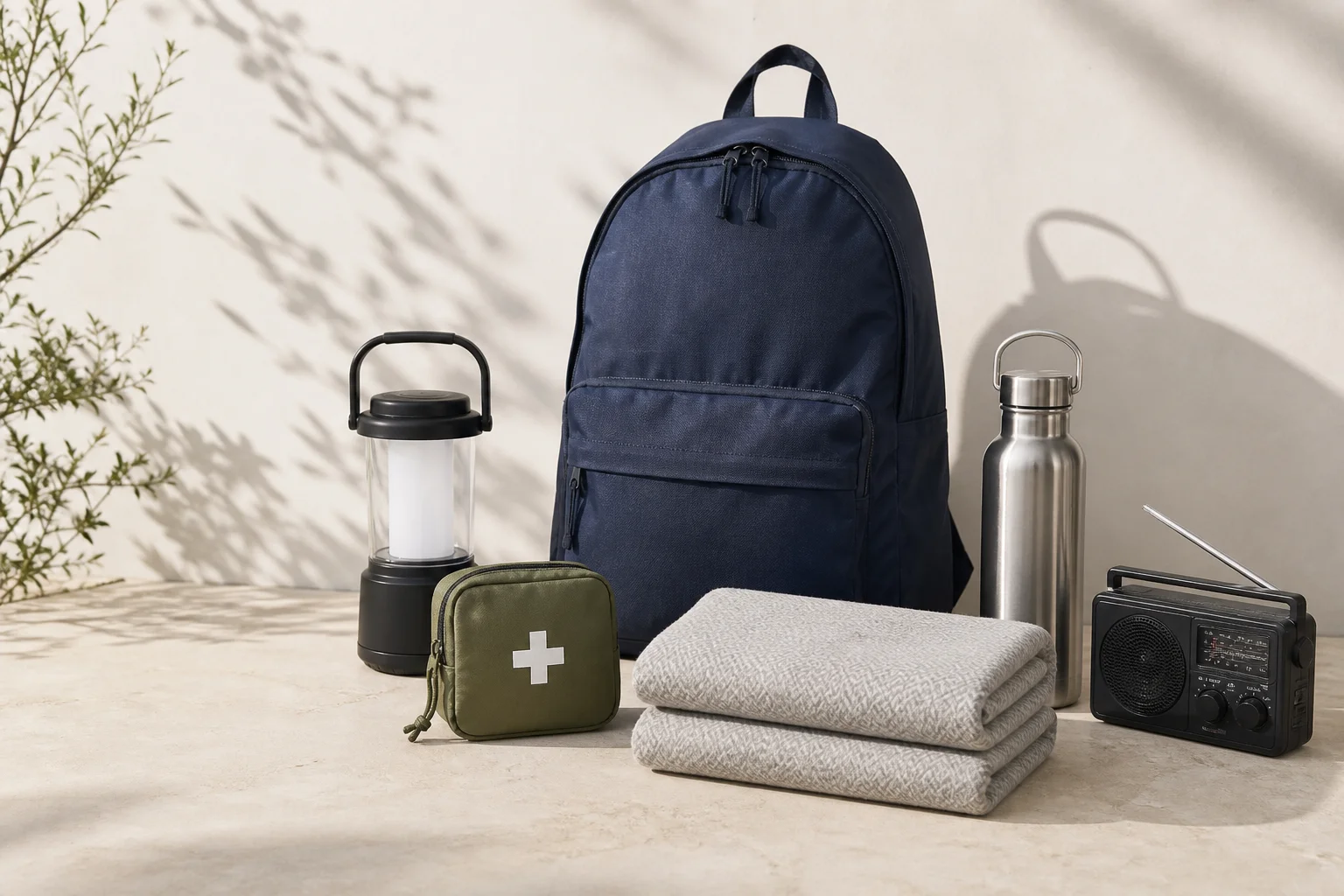
Build on what you already have. Browse kits and individual items for the everyday needs of your household.
Whole household
Household starter kit
17 items
- Energizer Fusion compact LED lantern
- Energizer Vision HD+ head torch
- Amazon Basics AA batteries, pack of 12
- and 14 more items
Amazon links coming soon
Power cut
Power cut kit
31 items
- Food-safe water container with screw cap, 5 L
- yfood meal replacement drinks, taster pack of 5
- Wayfayrer ready-to-eat meal pouch, 300 g
- and 28 more items
Amazon links coming soon

Storm / stay at home
Storm and stay at home kit
26 items
- yfood meal replacement drinks, taster pack of 5
- Wayfayrer ready-to-eat meal pouch, 300 g
- Nature Valley Protein bars, 26 x 40 g
- and 23 more items
Amazon links coming soon
Evacuation grab bag
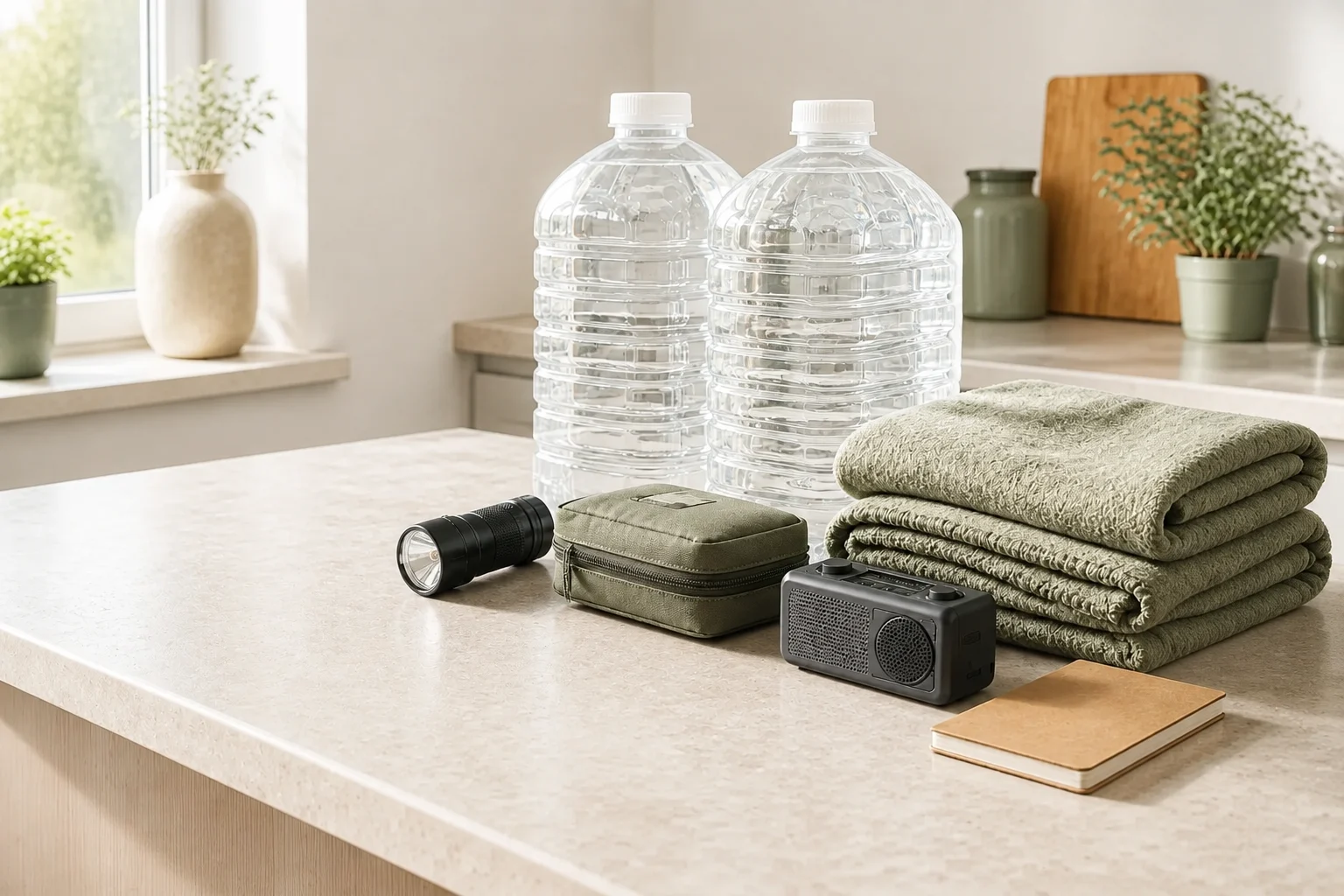
Evacuation grab bag
28 items
- Waterproof rucksack, 80 L
- Nalgene wide-mouth water bottle, 1 L
- SWIFTER collapsible soft flasks, 2 x 500 ml
- and 25 more items
Amazon links coming soon
Guides & knowledge
Practical advice for everyday readiness
-
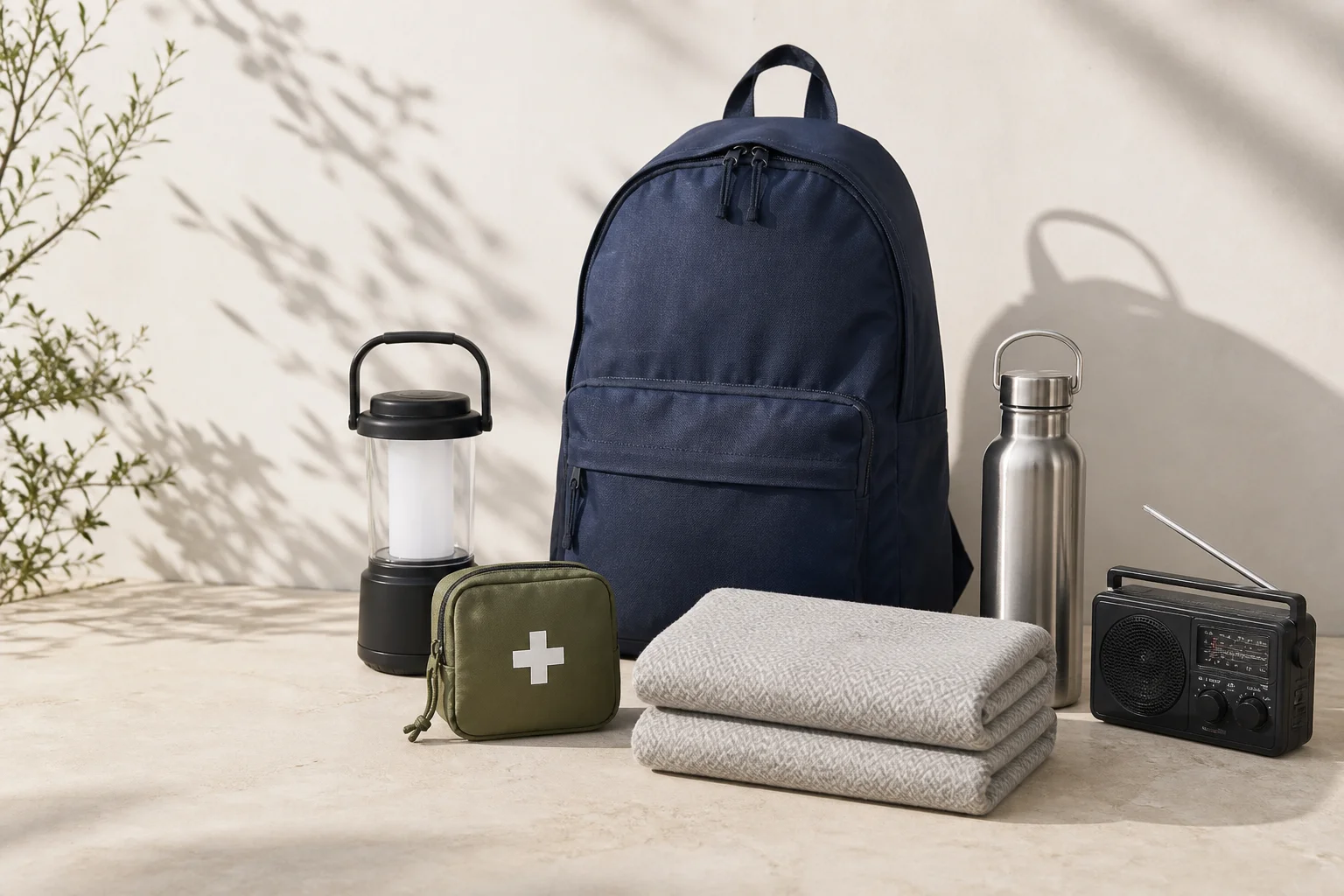
Start with what you already have
Readiness does not need a perfect kit or a weekend-long project. Begin with one everyday need and build from there.
-

How to Build a 72-Hour Household Emergency Plan
You may know where the torch is. Does everyone else? And if the power goes out while you are away, would someone at home know who to call, where the supplies are and what to…
-

How to Stay Warm at Home When the Heating Stops
You notice it first in your feet. Then someone puts a jumper on, checks the thermostat and asks whether the radiators are working. A heating failure on a mild afternoon is inconvenient. During a winter…
-

What Food Should You Keep for a 3-day Emergency?
The kitchen cupboard can look reassuringly full until you realise how much of it needs boiling water, an oven or a working microwave. A bag of pasta will provide plenty of meals. Getting it onto…

Water Base
Plan stored water, safe treatment and collection for household disruption.
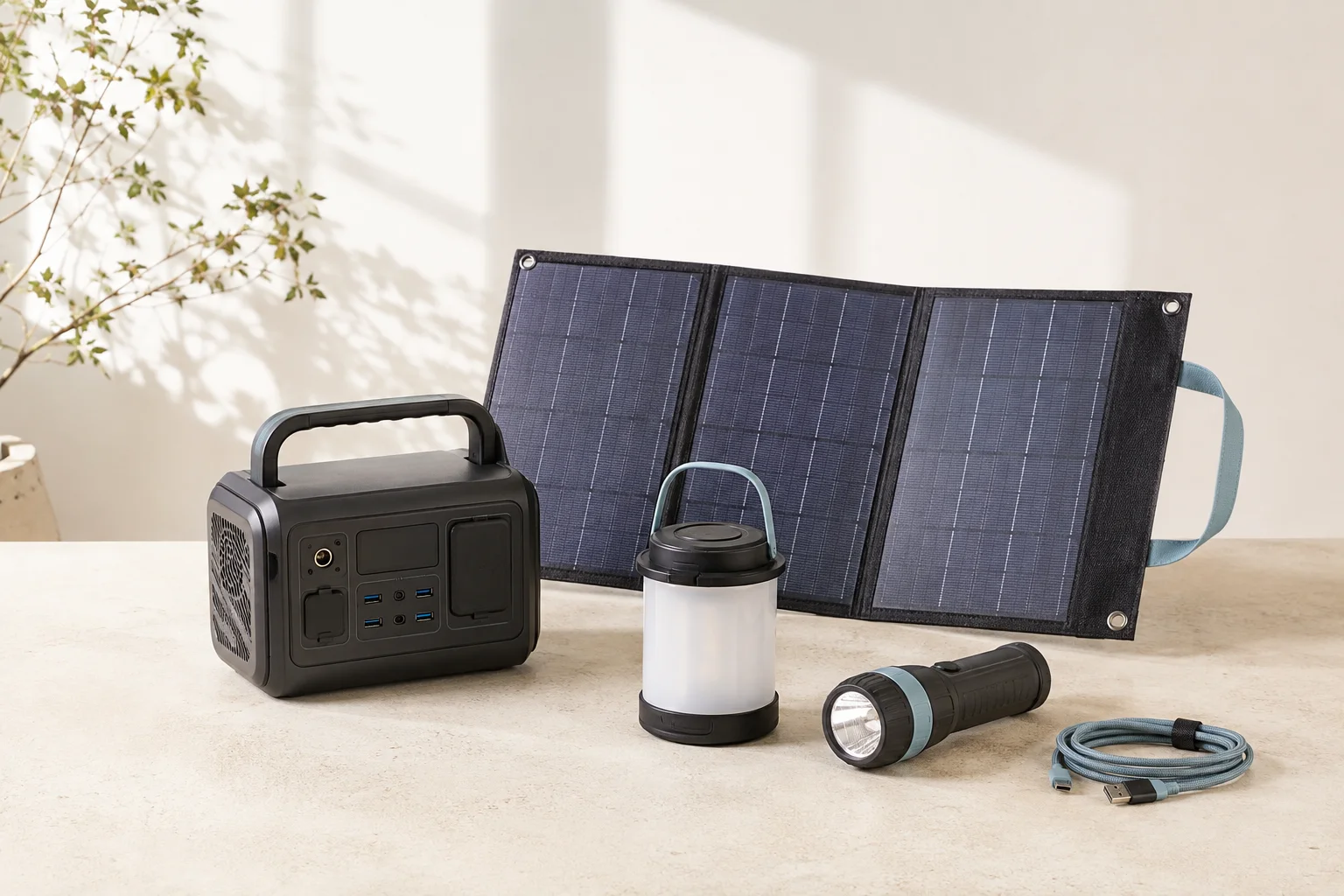
Power and Lighting Base
Prepare lighting, charging and backup plans for essential household devices.

Food and Cooking Base
Plan familiar food reserves, safe cooking and hygiene during disruption.
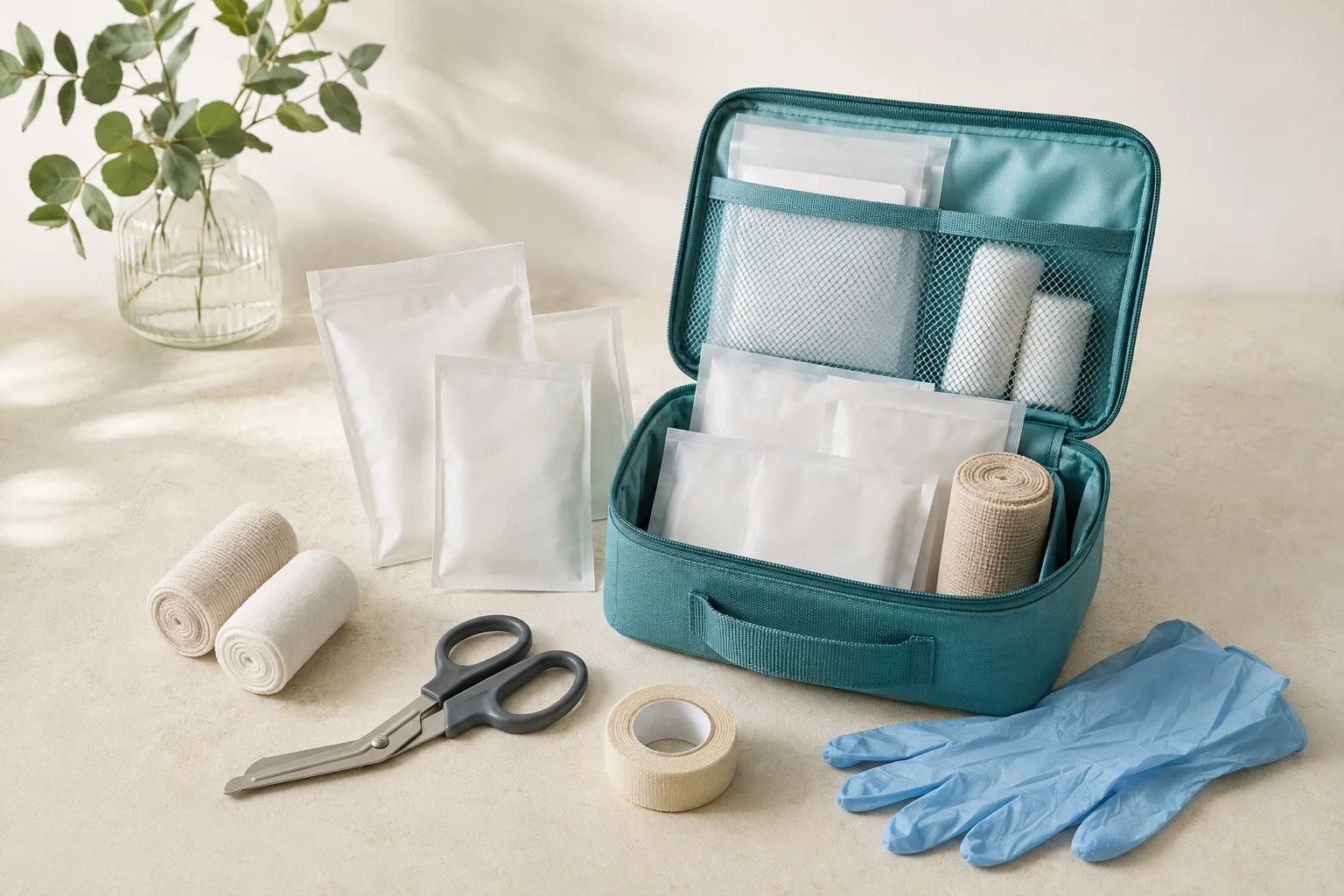
First Aid Base
Organise first aid supplies, personal health information and continuity plans.

Shelter and Warmth Base
Prepare clothing, warmth, home safety and simple weather protection.

Communications Base
Keep contact plans, trusted information and communication options ready.
Prepared Index Frequently Asked Questions
What is the Prepared Index?
The Prepared Index is a quick household resilience assessment designed to show how prepared you are across six essential areas: water, food, power and lighting, first aid, warmth and shelter, and communication and home safety.
Once completed, you’ll receive an overall preparedness score, individual scores for each category, and practical recommendations showing where you’re strongest, where the gaps are, and what you can do next. The aim isn’t to make your home “disaster proof” — it’s to help you make sensible improvements before you ever need them.
How is my Prepared Index score calculated?
Your score is based on the answers you give across the six preparedness categories. Each answer represents a different level of readiness, allowing us to build an overall picture of how resilient your household currently is.
You’ll also see the individual category scores, which are often more useful than the headline number. For example, you might score strongly for food and first aid but discover that you have very little backup water or power. That makes it much easier to decide what to prioritise first.
What is considered a good Prepared Index score?
There isn’t a single “pass mark”. The goal is to identify your weakest areas and improve them over time.
A household with a high overall score can still have one significant vulnerability, while someone starting with a lower score may be able to improve quickly with a few simple changes. Rather than chasing 100%, focus first on closing the gaps that would cause the biggest problems during the first few days of an emergency.
What happens after I get my results?
Your report turns the score into an action plan. You’ll see which areas deserve attention first, practical guidance on improving them, and relevant products or solutions that can help close specific gaps.
You do not need to fix everything at once. Start with the biggest weakness, make one or two meaningful improvements, then come back and reassess. The Prepared Index is designed to be something you can revisit as your household becomes more resilient.
How long does the Prepared Index take to complete?
Only a few minutes. The assessment has been deliberately kept short enough to complete in one sitting, without asking you to catalogue every item in your home.
Answer based on what you have available right now, rather than what you plan to buy later. That gives you a much more useful starting score and makes any future improvement measurable.