
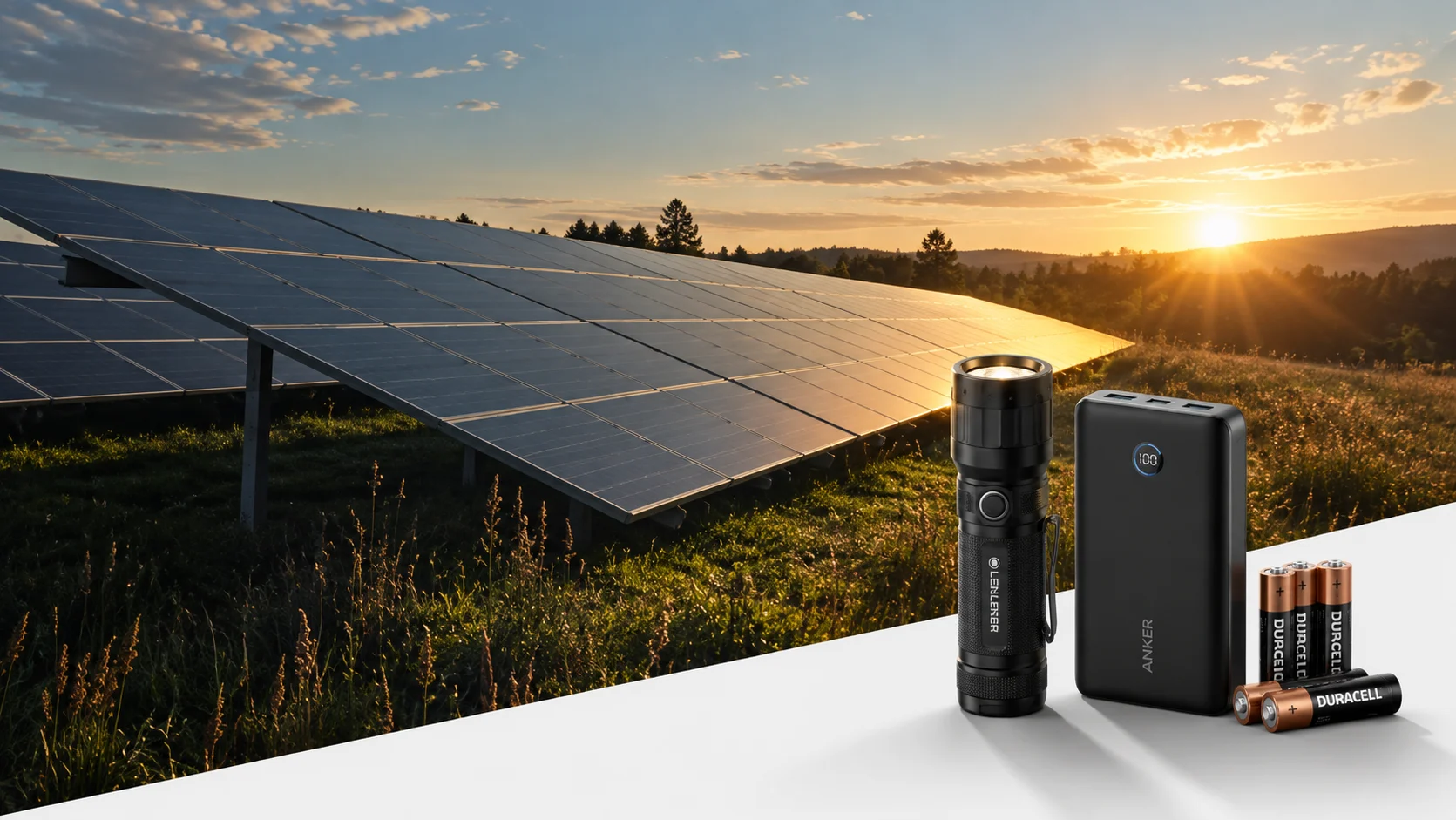
Power & lighting
Keep a little
light in reserve.
Keep the essentials running when the power doesn’t.
01
Light
Find your way when the lights go out.
02
Charge
Keep everyday devices in mind.
03
Connect
Plan how you’ll receive updates.
04
Review
Check your kit before you need it.
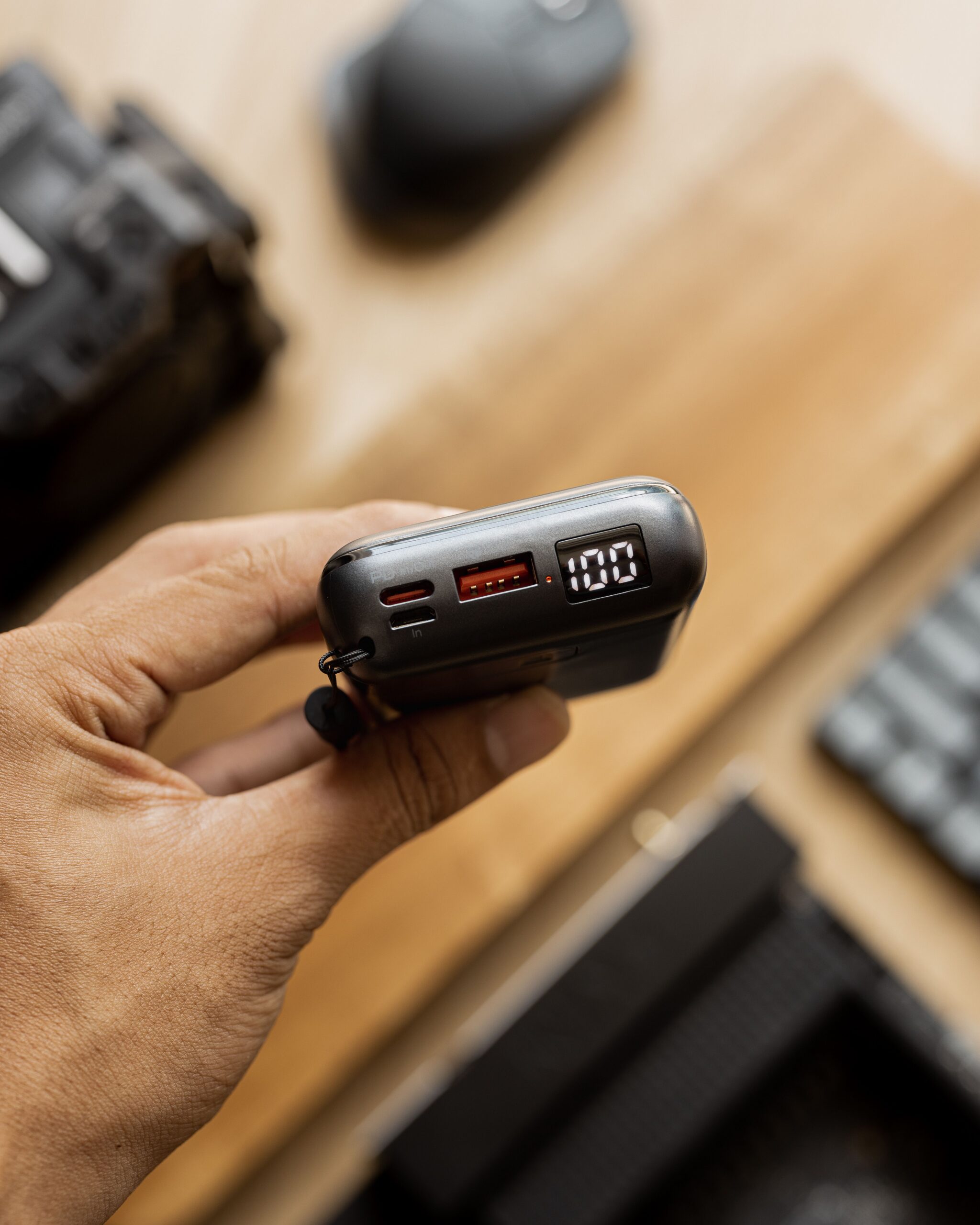
power & lighting: a practical place to start
Stay powered. Stay prepared.
No lights. No Wi-Fi. Phones running flat. A power cut becomes inconvenient remarkably quickly. The right backup can keep your essentials charged, your home lit and your household functioning for much longer. From simple power banks to portable energy and solar, build a setup that works when the plug doesn’t.
Power & Lighting kits
Start with a kit
Each kit groups the essentials and sizes them for your household. Add a whole kit to your basket, or adjust it for the people and days you are planning for.
Power & Lighting
Power and lighting starter kit
13 items
- Petzl Actik head torch
- Energizer Fusion compact LED lantern
- Fenix PD36R rechargeable torch
- and 10 more items
Amazon links coming soon
Power cut
Power cut kit
31 items
- Food-safe water container with screw cap, 5 L
- yfood meal replacement drinks, taster pack of 5
- Wayfayrer ready-to-eat meal pouch, 300 g
- and 28 more items
Amazon links coming soon

Flood
Flood kit
25 items
- Still bottled water, 6 x 2 L
- Food-safe water container with screw cap, 5 L
- Nalgene wide-mouth water bottle, 1 L
- and 22 more items
Amazon links coming soon
Storm / stay at home
Storm and stay at home kit
26 items
- yfood meal replacement drinks, taster pack of 5
- Wayfayrer ready-to-eat meal pouch, 300 g
- Nature Valley Protein bars, 26 x 40 g
- and 23 more items
Amazon links coming soon
Evacuation grab bag
Evacuation grab bag
28 items
- Waterproof rucksack, 80 L
- Nalgene wide-mouth water bottle, 1 L
- SWIFTER collapsible soft flasks, 2 x 500 ml
- and 25 more items
Amazon links coming soon
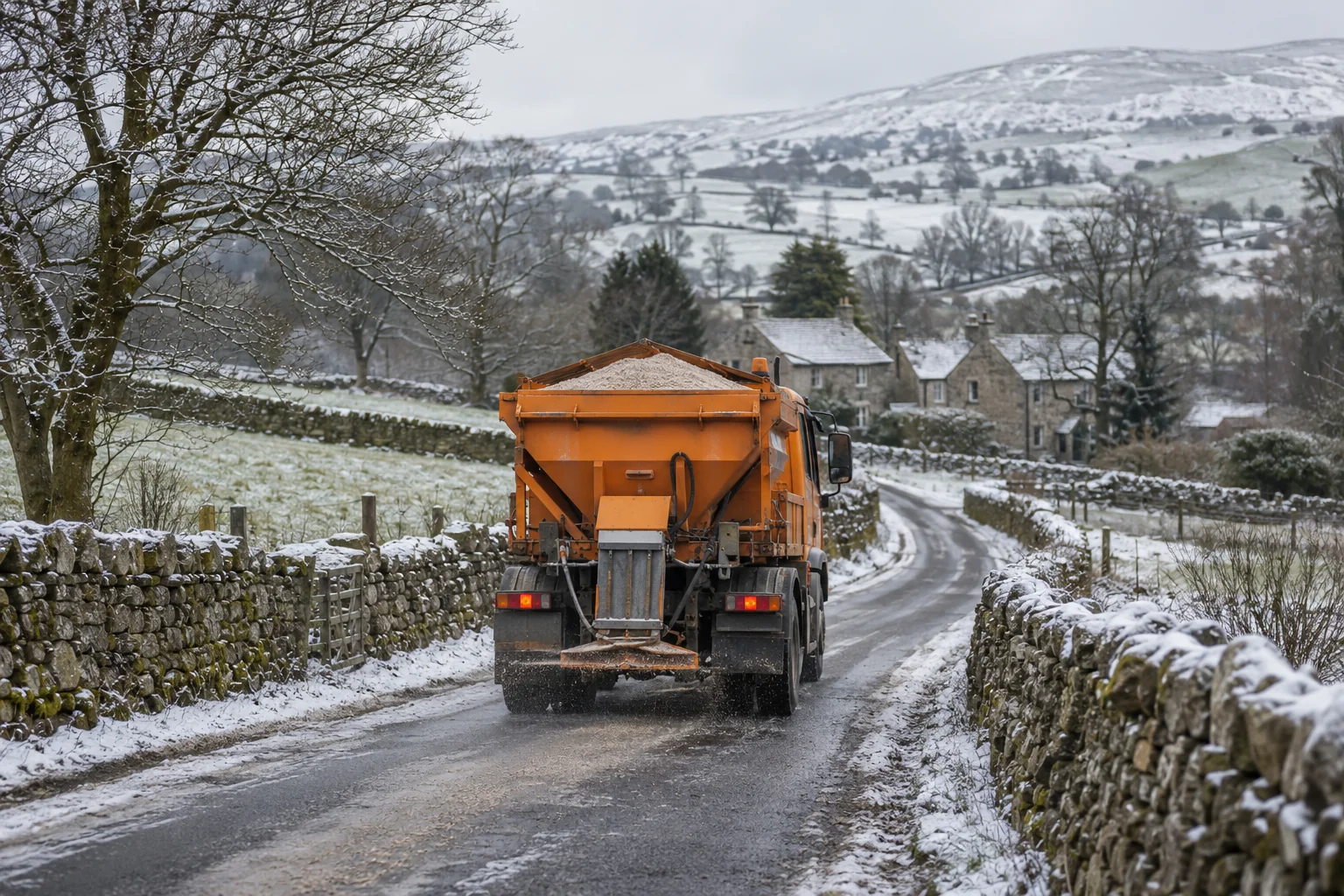
Cold snap / snowed in
Cold snap and snowed in kit
35 items
- Still bottled water, 6 x 2 L
- Food-safe water container with screw cap, 5 L
- Nalgene wide-mouth water bottle, 1 L
- and 32 more items
Amazon links coming soon
Car emergency
Car emergency kit
19 items
- Energizer Vision HD+ head torch
- Amazon Basics AA batteries, pack of 12
- Amazon Basics AAA batteries, pack of 12
- and 16 more items
Amazon links coming soon
Power & Lighting essentials
Or choose single items
Add only what you are missing. Prices and availability are set by Amazon and shown there before you buy.
Power & Lighting
Amazon Basics AAA batteries, pack of 12
Spares for head torches and smaller devices.
Amazon link coming soon
Power & Lighting
Anker car charger, USB-C and USB-A
Charges phones from the car's 12 V socket.
Amazon link coming soon
Power & Lighting
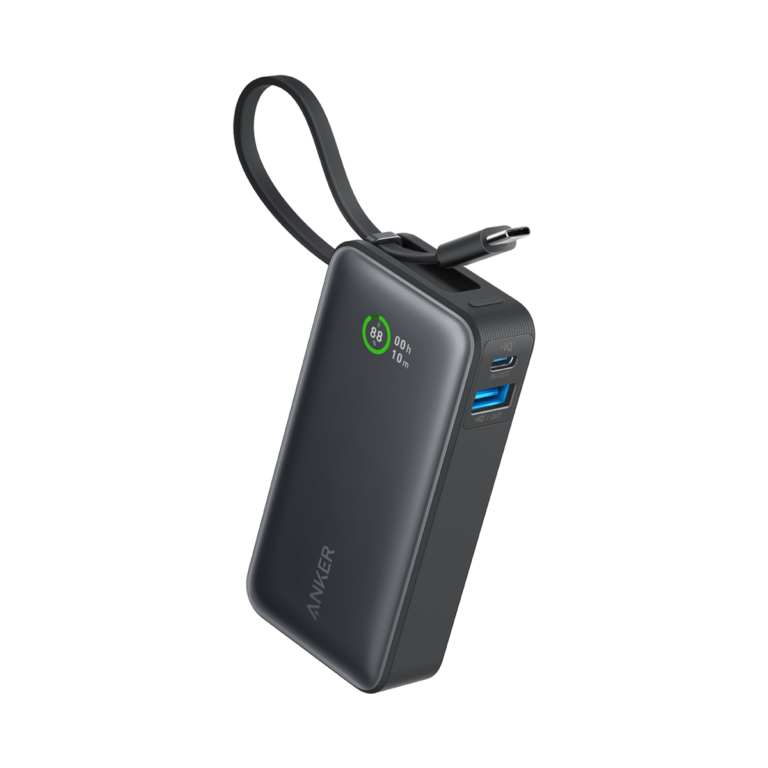
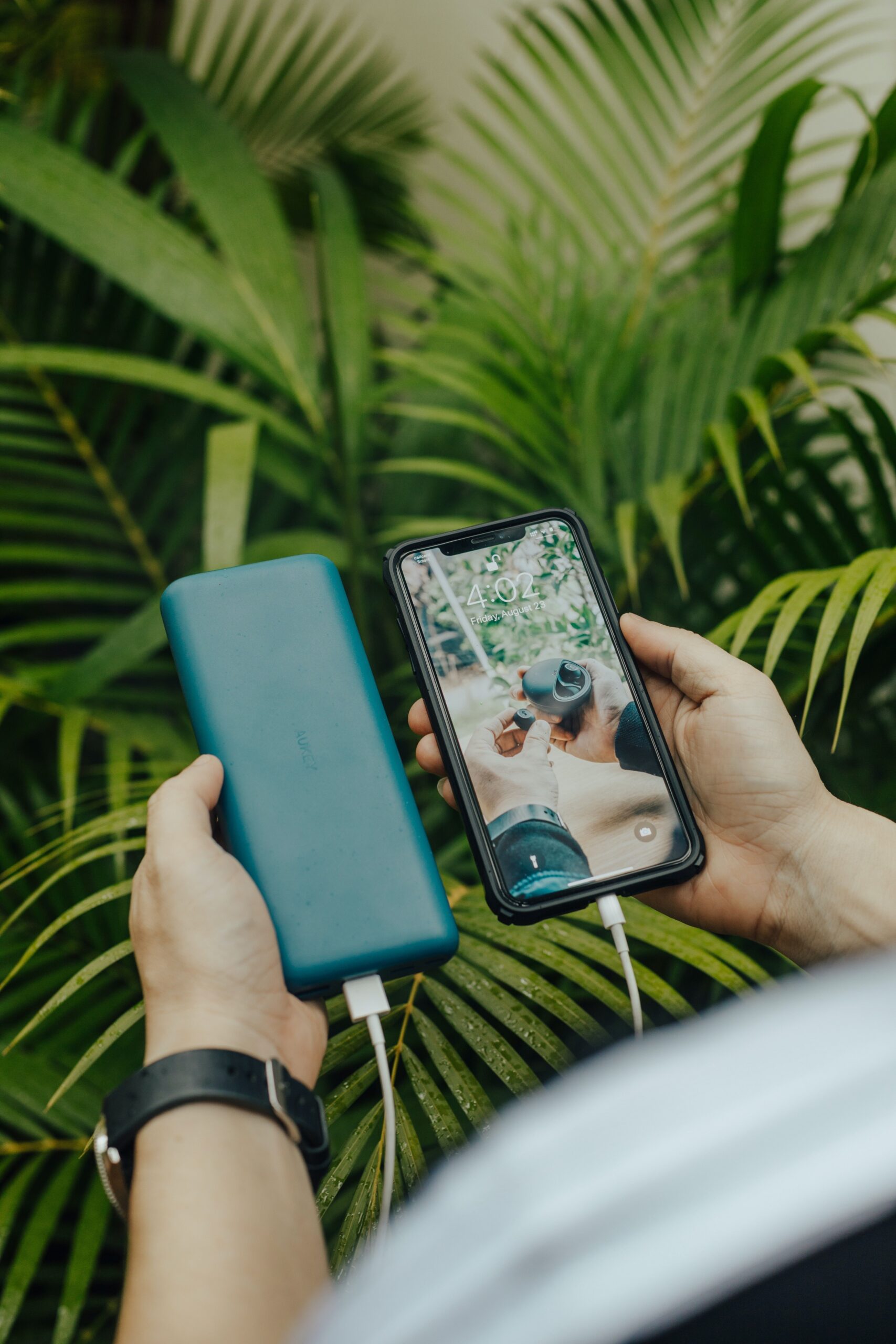
Anker power bank, 10,000 mAh
Charges a phone two or three times. Keep it topped up.
Amazon link coming soon
Power & Lighting
APC Back-UPS Connect mini UPS for routers
Keeps broadband running for hours when the power goes.
Amazon link coming soon
Power & Lighting
BioLite SolarPanel 10+ with built-in battery
Charges a phone from the sun and stores power for later.
Amazon link coming soon
Power & Lighting
BLUETTI Elite 100 V2 portable power station
A large battery for keeping essential devices running in a long cut.
Amazon link coming soon
Power & Lighting
EcoFlow DELTA 3 Plus portable power station
A large battery for keeping essential devices running in a long cut.
Amazon link coming soon
Power & Lighting
Fenix PD36R rechargeable torch
A powerful rechargeable torch for checking outside or the fuse box.
Amazon link coming soon
Power & Lighting
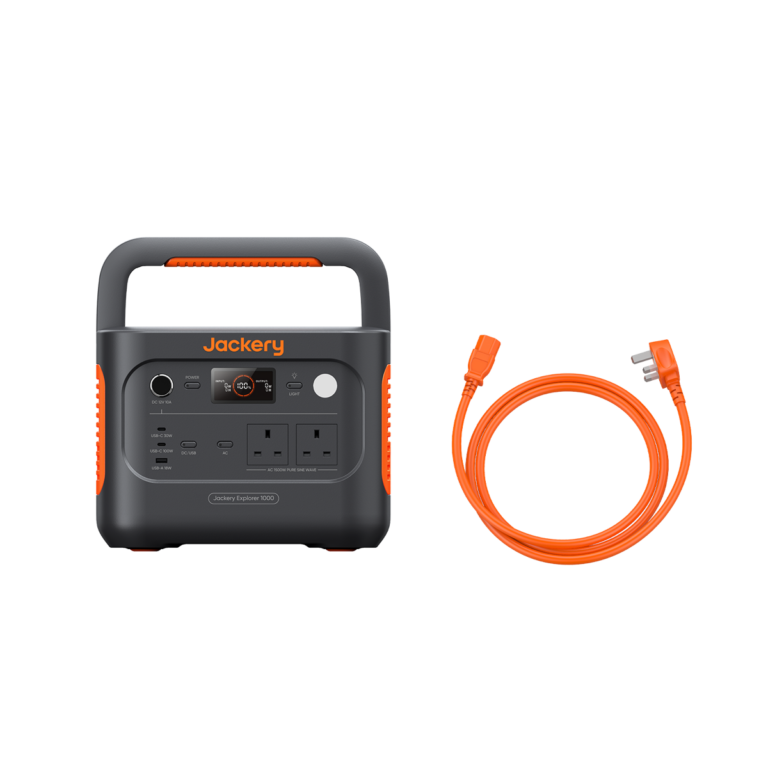
Jackery Explorer 1000 v2 portable power station
A large battery that can run lights, a router or a fridge for a while.
Amazon link coming soon
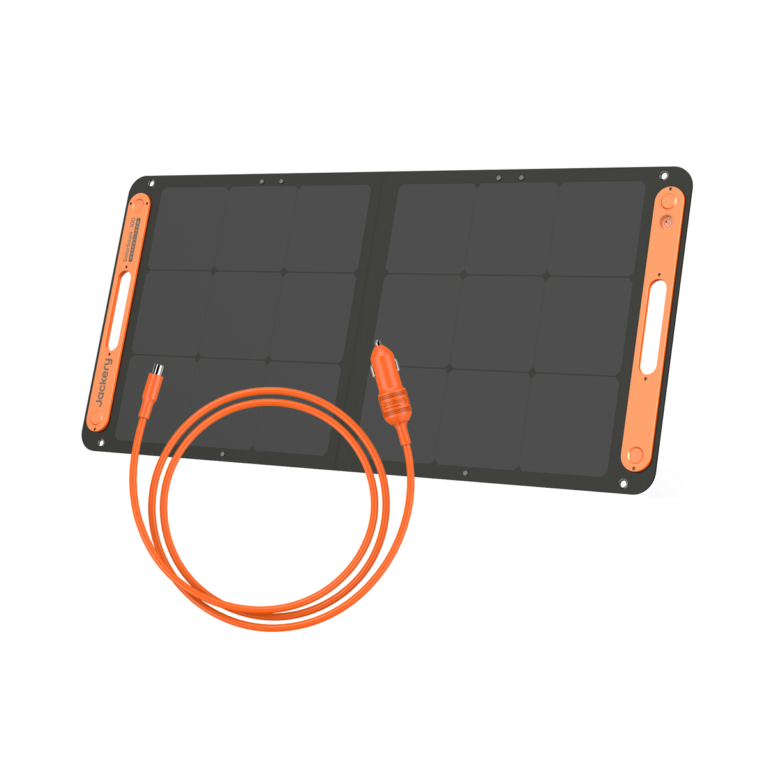
Power & Lighting
Jackery SolarSaga 100 W solar panel
Recharges a power station from daylight.
Amazon link coming soon
Power & Lighting
Maypole heavy-duty jump leads, 3.5 m
Jump start a flat battery from another vehicle.
Amazon link coming soon
Power & Lighting
NOCO Boost GB40 jump starter
Starts a flat car battery without another car.
Amazon link coming soon
Power & Lighting
Panasonic eneloop rechargeable batteries, 4 AA + 4 AAA
Rechargeable batteries that hold their charge in storage.
Amazon link coming soon
Power & Lighting
Panasonic eneloop SmartPlus battery charger
Charges AA and AAA rechargeable batteries.
Amazon link coming soon
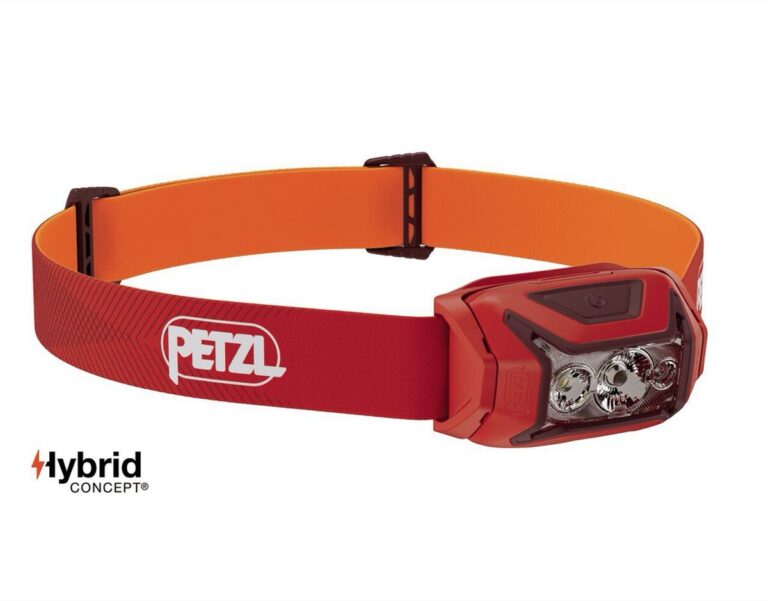
Power & Lighting
Petzl Actik head torch
Bright, hands-free light, one for each person.
Amazon link coming soon
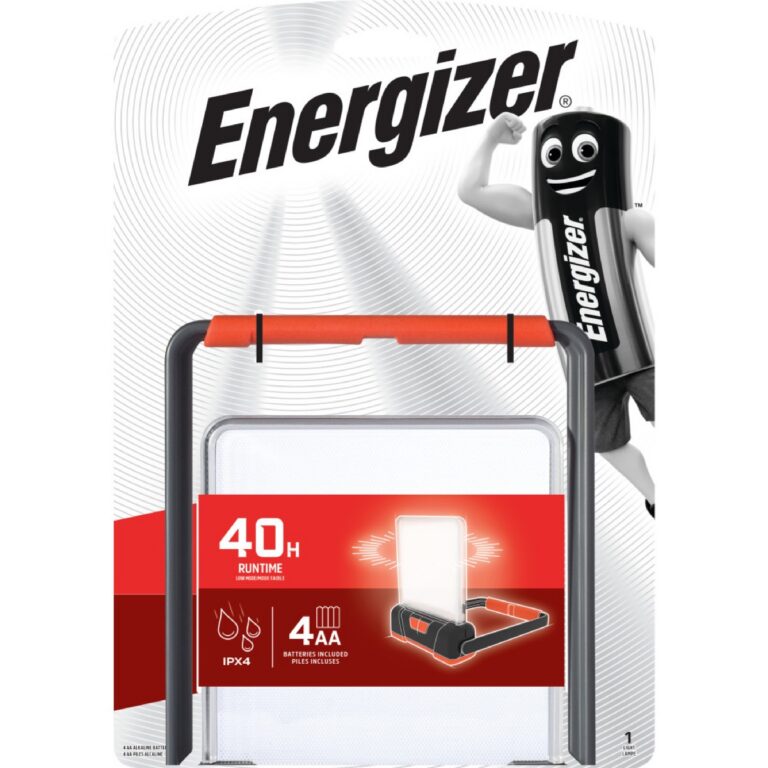
Power & Lighting
Energizer Fusion compact LED lantern
Lights a whole room and is safer than candles.
Amazon link coming soon
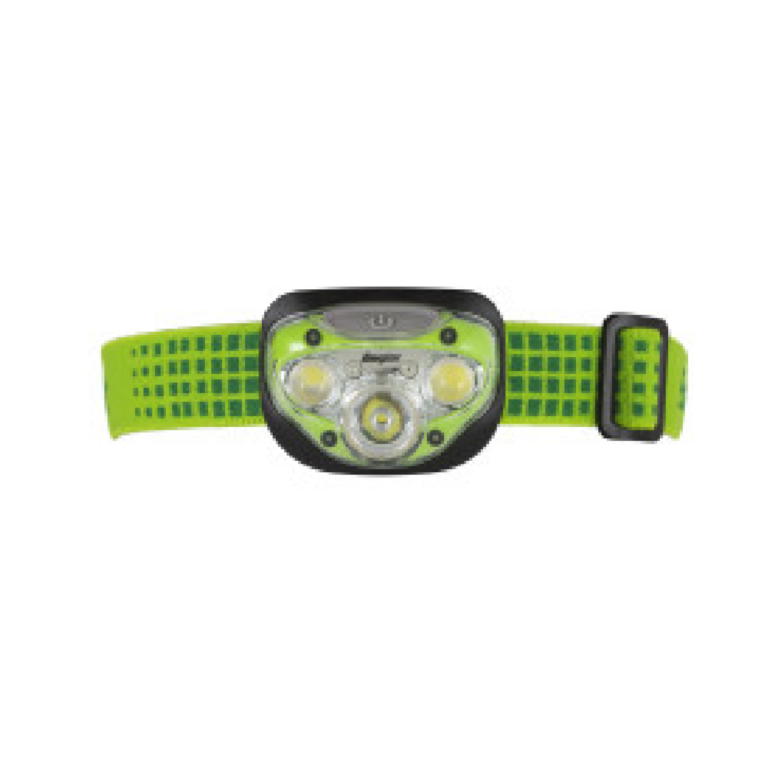
Power & Lighting
Energizer Vision HD+ head torch
Keeps both hands free on the stairs, in the loft or outdoors after dark.
Amazon link coming soon
Power & Lighting
Anker power bank with built-in cable, 20,000 mAh
Charges a phone four or five times, with its own USB-C cable.
Amazon link coming soon
Power & Lighting
Amazon Basics AA batteries, pack of 12
Long shelf life batteries for torches, radios and smoke alarms.
Amazon link coming soon
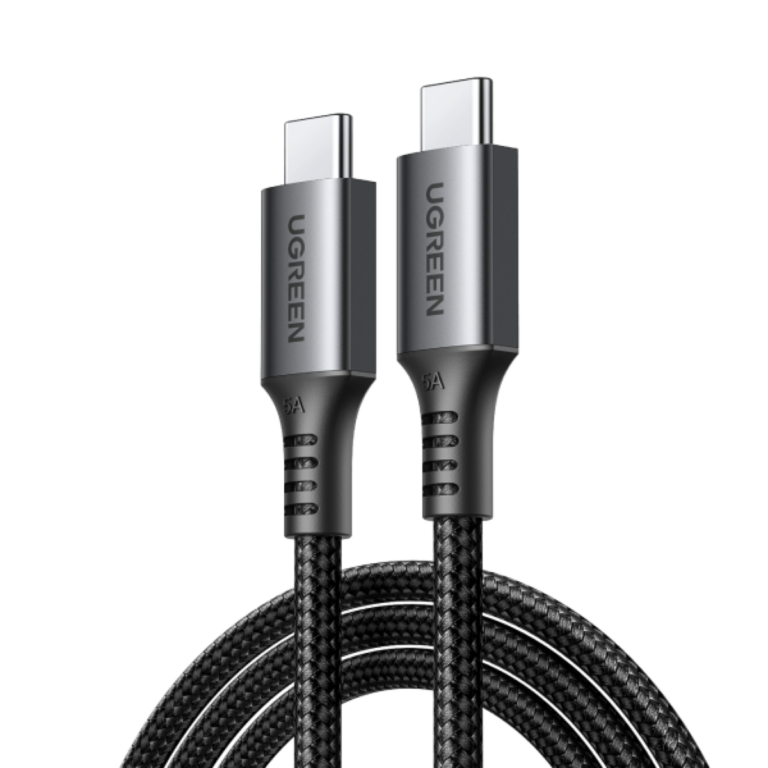
Power & Lighting
UGREEN USB-C charging cable, 1 m
A spare cable that stays with the kit.
Amazon link coming soon
Power & Lighting
Rechargeable portable fan, USB and battery
A small desk or bedside fan that runs for hours on its built-in battery and recharges by USB, so it keeps going in a power cut.
Amazon link coming soon
A simple way to build your kit
1
Start with your household
Think about who you’re preparing for and what you use every day.
2
Check what you have
Use your existing supplies as a starting point. Fill the gaps that matter.
3
Build and review
Choose useful additions, keep them organised and revisit your plan.
The Prepared Index
Know where to start.
Six simple questions. A clearer view of your household’s next steps.
Guides & knowledge
Practical advice for everyday readiness
-
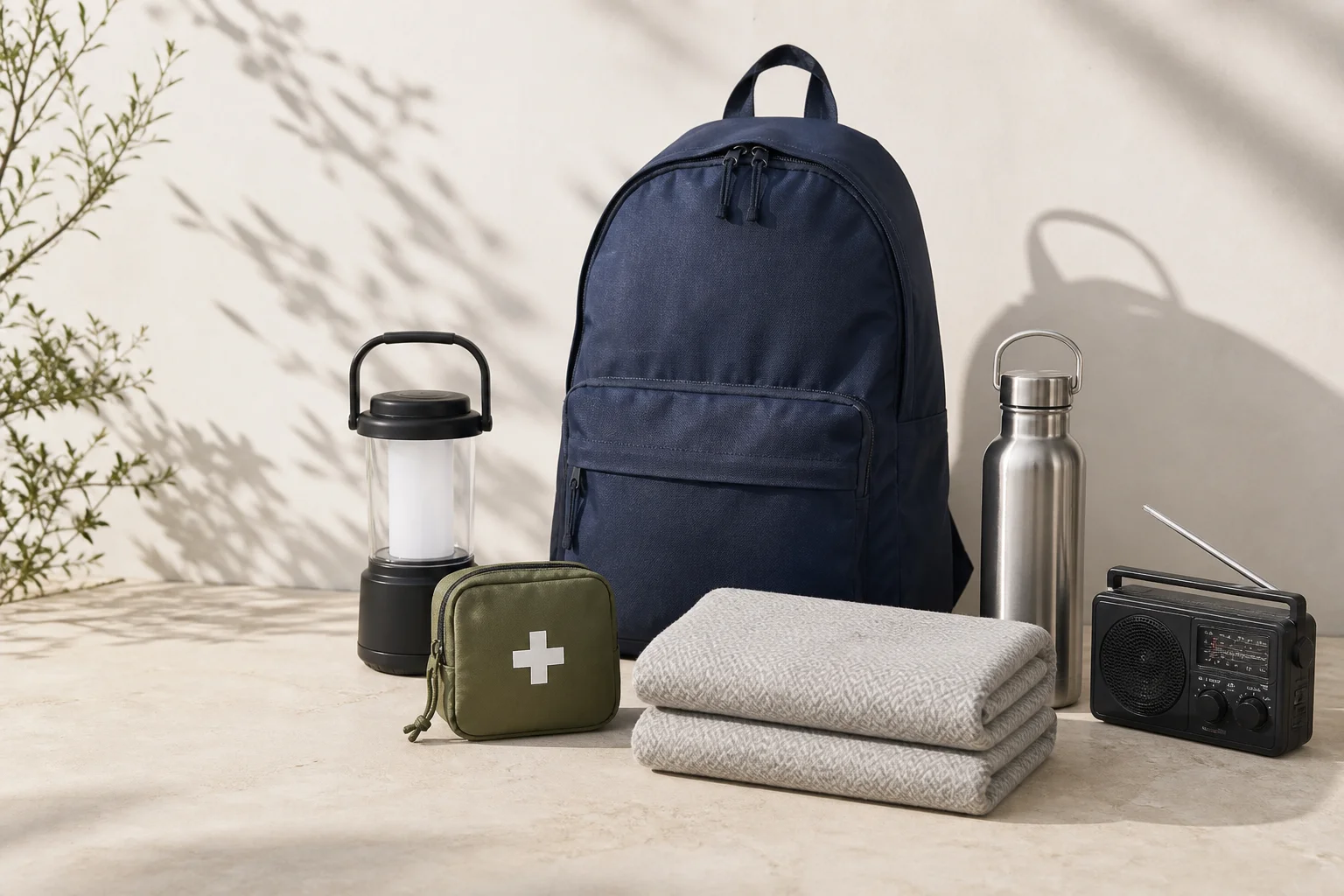
Start with what you already have
Readiness does not need a perfect kit or a weekend-long project. Begin with one everyday need and build from there.
-
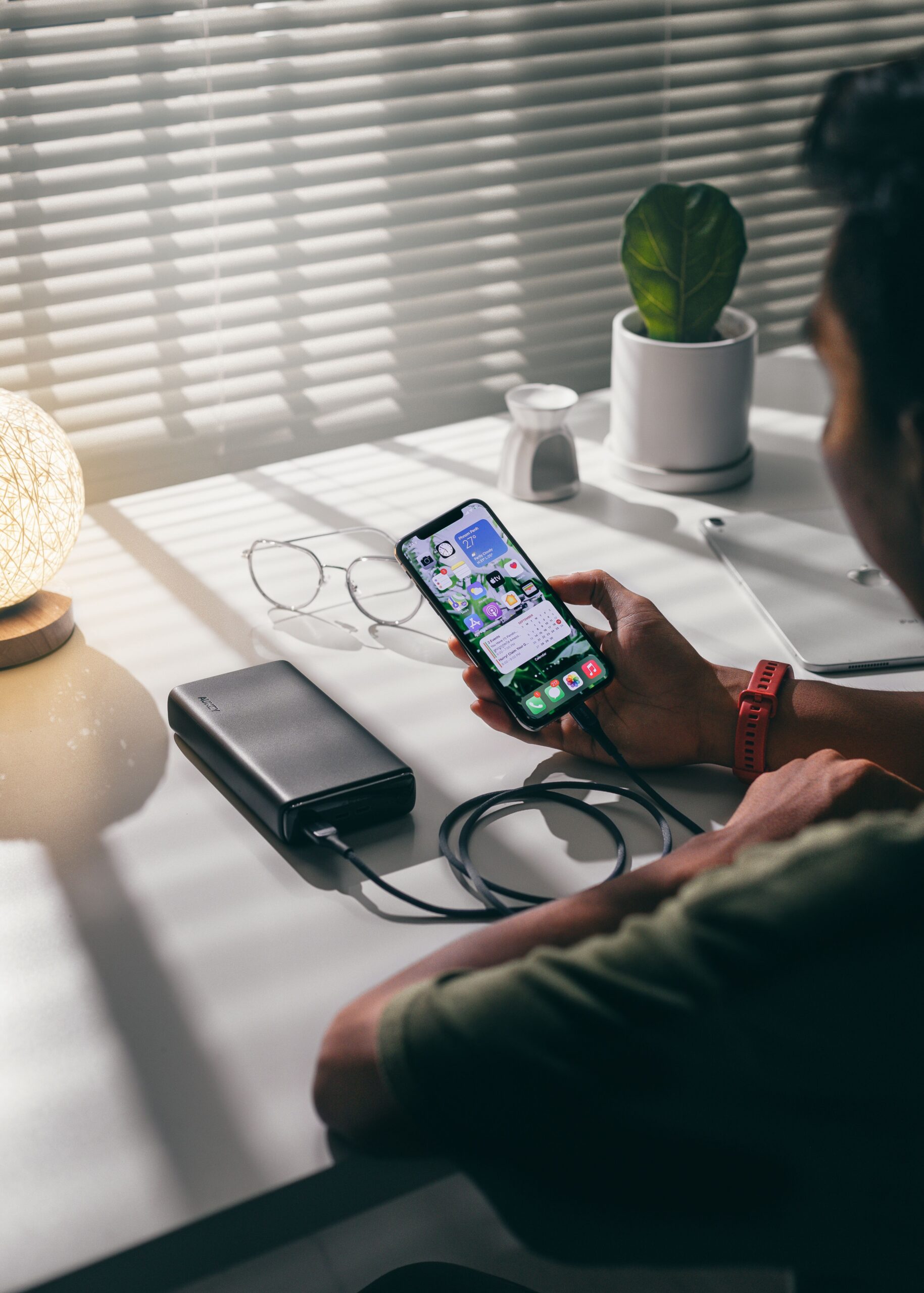
How to Build a 72-Hour Household Emergency Plan
You may know where the torch is. Does everyone else? And if the power goes out while you are away, would someone at home know who to call, where the supplies are and what to…
-
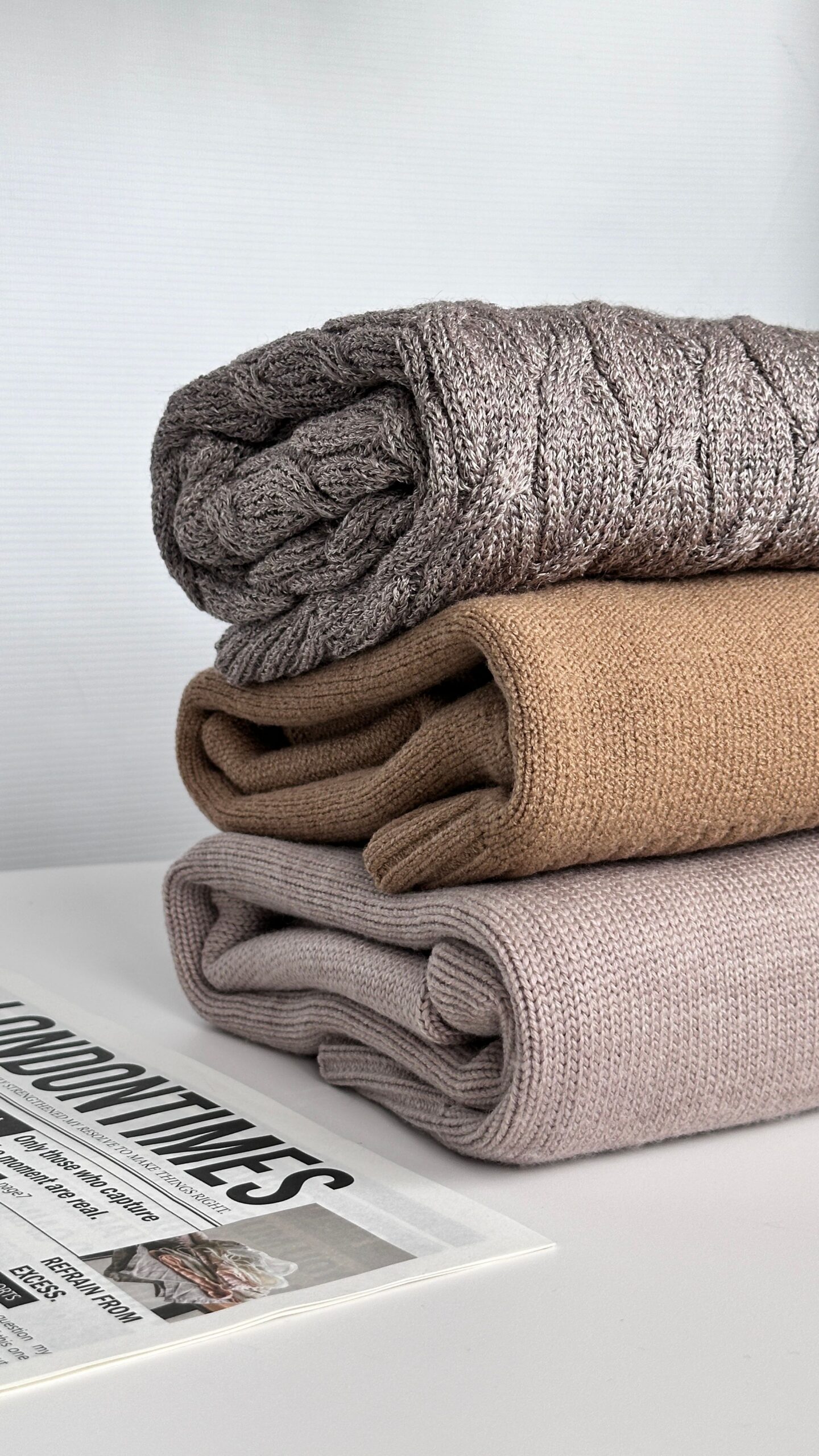
How to Stay Warm at Home When the Heating Stops
You notice it first in your feet. Then someone puts a jumper on, checks the thermostat and asks whether the radiators are working. A heating failure on a mild afternoon is inconvenient. During a winter…
-

What Food Should You Keep for a 3-day Emergency?
The kitchen cupboard can look reassuringly full until you realise how much of it needs boiling water, an oven or a working microwave. A bag of pasta will provide plenty of meals. Getting it onto…
When the lights go out.
Be ready to switch plans.
Keep light within reach and backup power ready. These five steps will help you prepare before a power cut leaves you searching in the dark.
Your ticks last for this visit. Use the full guidance to build your plan.
Read the UK Prepare guidePower & Lighting Frequently Asked Questions
Where should I start with emergency power?
Start by working out what you actually need to keep running for 24 hours. Do not start by buying the biggest battery you can afford. Make a short “critical loads” list: phones, torches, radio, internet router if useful, and any essential medical equipment. Then calculate energy using: watts × hours = watt-hours (Wh).
Example: a 5W lantern used for 5 hours = 25Wh; a 5W radio for 4 hours = 20Wh; two phone recharges at roughly 15Wh each = about 30Wh. That simple setup needs roughly 75Wh before allowing for charging losses.
A power bank can cover small USB devices. If you need to run mains appliances, refrigeration or medical equipment, move up to a power station sized from the actual load. Build from essentials outward.
What is the difference between a power bank and a portable power station?
A power bank is mainly for small electronics such as phones, USB lights, tablets and some laptops. A portable power station is a much larger battery with AC mains sockets as well as USB and often 12V outputs, so it can run a wider range of equipment.
As a rough guide, common power banks might hold around 40–100Wh of energy, while portable power stations range from a few hundred watt-hours to several kilowatt-hours. The numbers vary enormously by model.
The decision is simple: if your priority is keeping phones and small lights alive, start with power banks. If you want to run a fridge, CPAP machine, router, larger lighting setup or other mains-powered equipment, calculate the watt-hours required and choose a power station with enough battery capacity and enough output power.
How do I know what size power station I need?
Use the device’s wattage and expected runtime. Multiply watts by hours to get watt-hours, then add a margin for conversion losses and reserve capacity.
Example: if a device draws 40W and you need it for 10 hours, the basic requirement is 400Wh. Add around 20% for losses and a sensible reserve and you are already near 480Wh, so a 500Wh unit would be the absolute lower edge rather than a generous solution.
Also check output power, not just battery capacity. A 1,000Wh power station that can only deliver 500W continuously cannot run a 1,000W appliance. For motors and compressors, check surge/start-up output too. Size to the loads you actually intend to run, and avoid using emergency battery capacity on high-draw luxuries.
Can a portable power station run my fridge?
Possibly — but check the numbers rather than assuming. The easiest planning method is to use the fridge’s annual energy figure from its energy label. Divide annual kWh by 365 to estimate an average day.
Example: a fridge using 180kWh per year averages about 0.49kWh, or 490Wh, per day. Allowing for inverter losses and reserve capacity, you might budget roughly 575–600Wh per day. A 1,000Wh power station could therefore be in the region of a day and a half for that fridge alone, but real performance will vary with room temperature, how often the door is opened and the fridge’s start-up surge.
Check that the power station’s continuous and surge output can handle the compressor. If refrigeration is critical for medicine, plan with extra margin and test the exact setup in advance.
Are solar panels useful in the UK?
Yes — solar can be useful in the UK, but treat it as a way to extend stored power rather than a promise of unlimited electricity. Panel output changes dramatically with cloud, season, shading, panel angle and daylight length.
Use the panel rating only as a theoretical ceiling. For example, a 200W panel receiving the equivalent of three strong full-sun hours could theoretically produce about 600Wh before system losses. In poor winter weather, actual output may be a small fraction of that.
For resilience, size your battery so it can cover your essential loads without assuming perfect solar conditions. Then use solar to replenish it whenever conditions allow. Position panels away from shade, keep them clean and confirm that their voltage/current range is compatible with your power station or charge controller.
Should I use candles during a power cut?
Do not use candles as your primary blackout lighting. The UK Government’s Prepare guidance specifically notes that torches are safer than candles. LED torches, head torches and lanterns give better light, last longer and remove the risk of an unattended flame.
A good household setup is simple: one head torch per adult, at least one lantern for the main occupied room, and a small torch kept somewhere immediately accessible such as beside the bed or near the exit.
If you choose to keep candles as a last-resort backup, use stable holders on heat-resistant surfaces, keep them well away from curtains, children and pets, and never leave them burning unattended or while people are asleep. Battery lighting should do almost all of the work.
Why should I have more than one type of light?
Because each type solves a different problem. A head torch keeps both hands free for repairs, first aid or moving around in the dark. A lantern lights a room. A handheld torch throws light further and is useful outdoors or for checking a fuse box.
For a typical household, a practical starting point is one head torch per adult, one lantern for the main room, and one spare torch positioned near an exit or utility cupboard. That gives you useful redundancy without filling a drawer with gadgets.
Also spread the equipment around the house. If every torch is stored in the garage and the power fails at night, you first have to reach the garage in the dark. Keep at least one light where you sleep and one where you spend most of your time.
Are rechargeable batteries better than disposable batteries?
Use both. Rechargeable batteries are ideal for equipment you use and test regularly; disposable batteries provide a valuable reserve if you cannot recharge anything.
Base the reserve on the device’s real runtime. If a torch runs for 8 hours on one set of batteries and you expect to use it for 4 hours each night during a three-day outage, you need 12 hours of light — so two complete battery sets gives you a sensible minimum.
Keep spare cells in their original packaging, dry and at normal room temperature, and check expiry dates periodically. For rechargeable devices, test them every few months and keep the correct charging cables with the equipment. Redundancy is the goal: no single battery type, cable or charging method should be able to take out your entire lighting plan.