
Prepared Base · First Aid Base
Keep the basics organised.
Know where your first-aid supplies are, review their condition and make sure everyone in your household can find them.
01
Store
Make room for a household reserve.
02
Filter
Understand your water options.
03
Plan
Consider everyone in your home.
04
Review
Keep your supplies in good order.
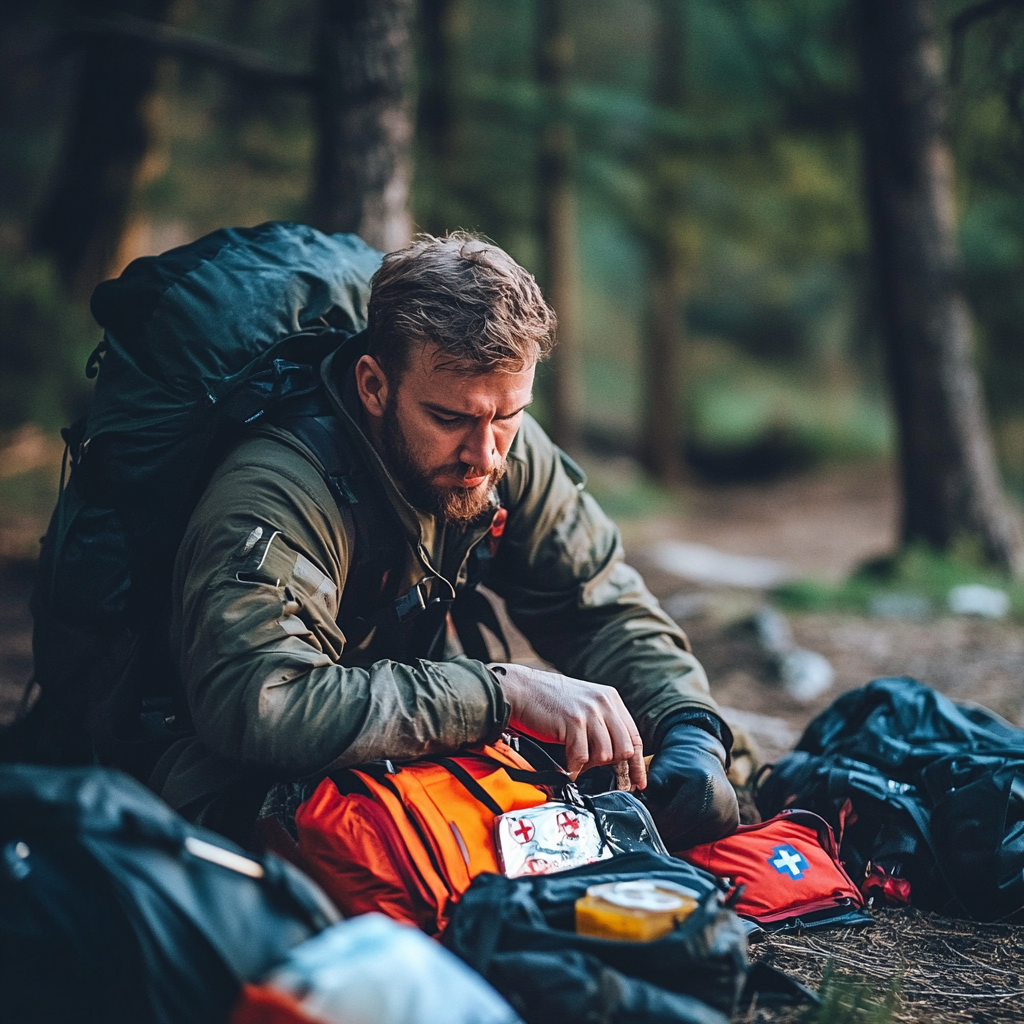
First aid: a practical place to start
The right kit. Right when you need it.
Most emergencies don’t arrive with a warning — and even small injuries become harder to deal with when help isn’t immediately available. Build a first aid setup that goes beyond a forgotten box of plasters, with the essentials you’d actually want within reach when someone needs you.
First Aid kits
Start with a kit
Each kit groups the essentials and sizes them for your household. Add a whole kit to your basket, or adjust it for the people and days you are planning for.
First Aid
First aid starter kit
15 items
- First aid kit, 70 pieces
- Elastoplast fabric plasters, 40 strips
- Safety First Aid sterile dressings, 12 x 12 cm, pack of 6
- and 12 more items
Amazon links coming soon
Power cut
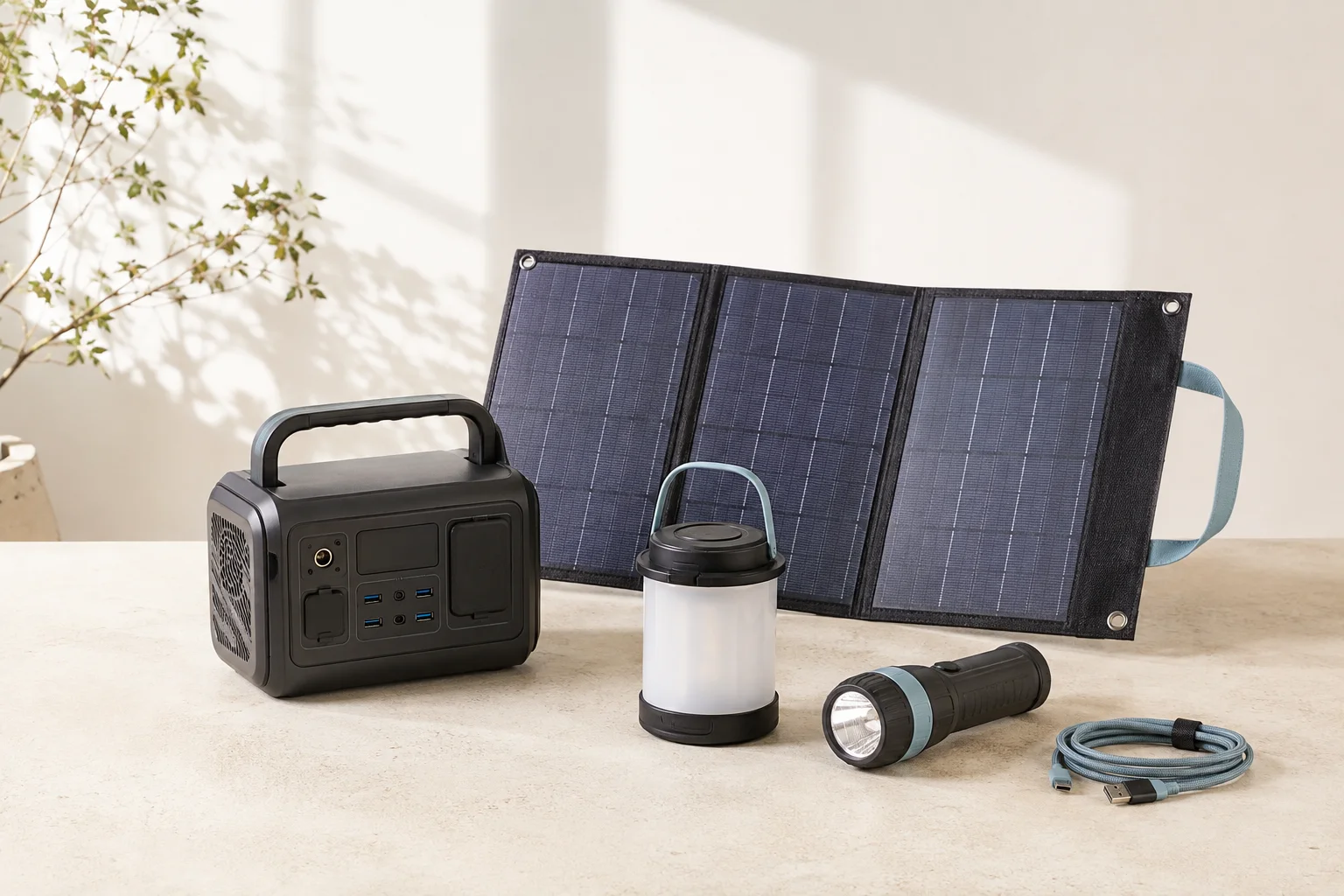
Power cut kit
31 items
- Food-safe water container with screw cap, 5 L
- yfood meal replacement drinks, taster pack of 5
- Wayfayrer ready-to-eat meal pouch, 300 g
- and 28 more items
Amazon links coming soon

Flood
Flood kit
25 items
- Still bottled water, 6 x 2 L
- Food-safe water container with screw cap, 5 L
- Nalgene wide-mouth water bottle, 1 L
- and 22 more items
Amazon links coming soon
Storm / stay at home
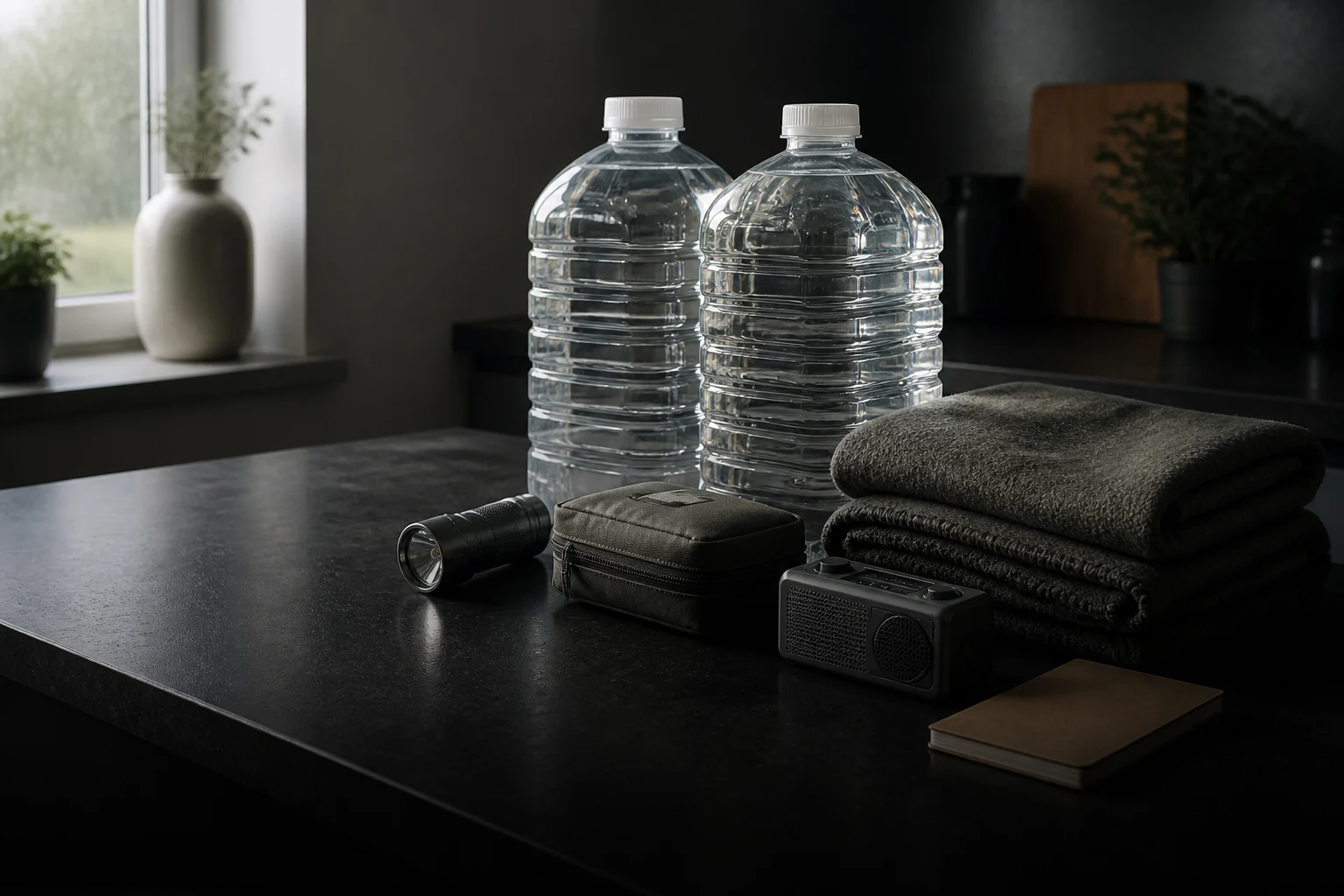
Storm and stay at home kit
26 items
- yfood meal replacement drinks, taster pack of 5
- Wayfayrer ready-to-eat meal pouch, 300 g
- Nature Valley Protein bars, 26 x 40 g
- and 23 more items
Amazon links coming soon
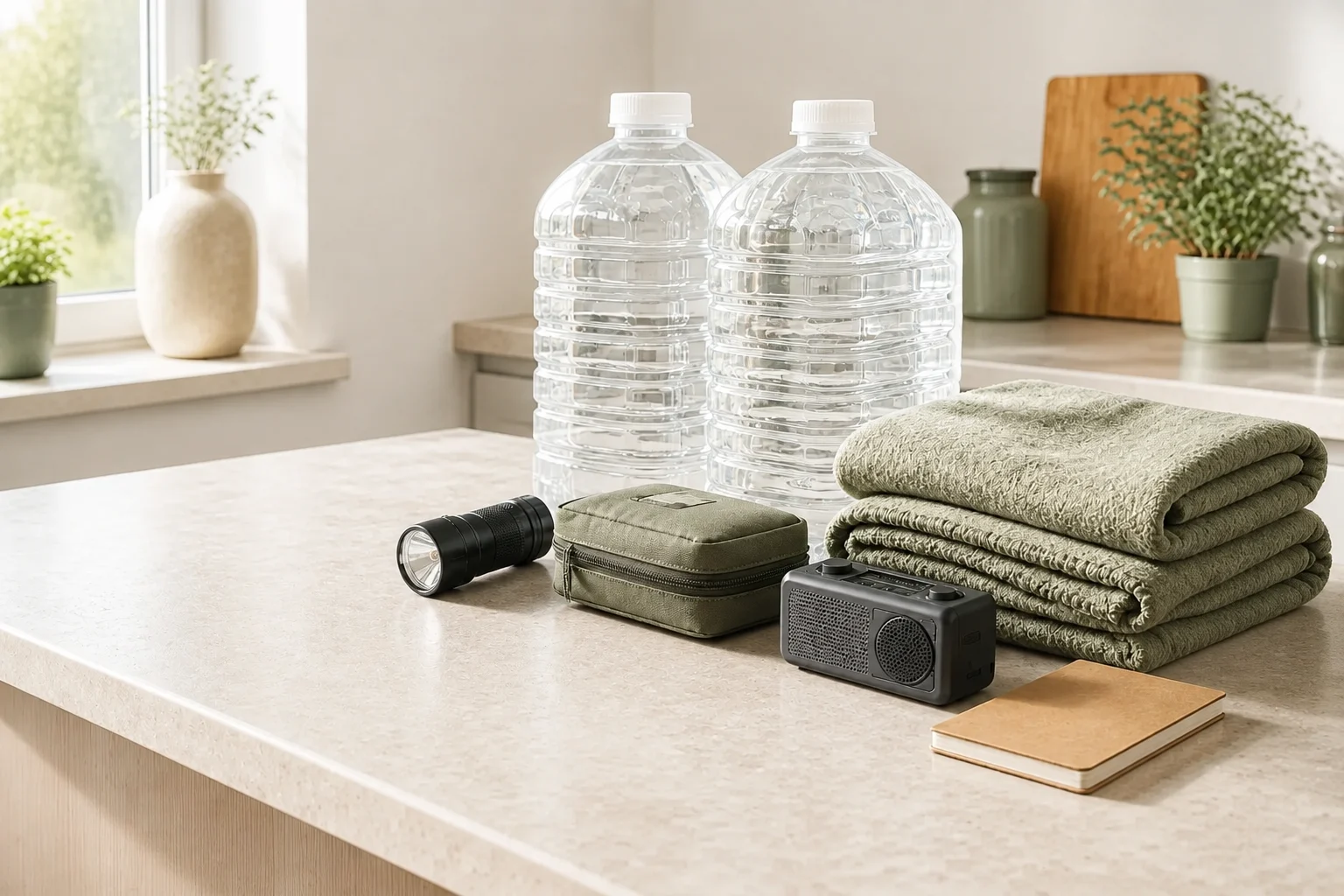
Evacuation grab bag
Evacuation grab bag
28 items
- Waterproof rucksack, 80 L
- Nalgene wide-mouth water bottle, 1 L
- SWIFTER collapsible soft flasks, 2 x 500 ml
- and 25 more items
Amazon links coming soon
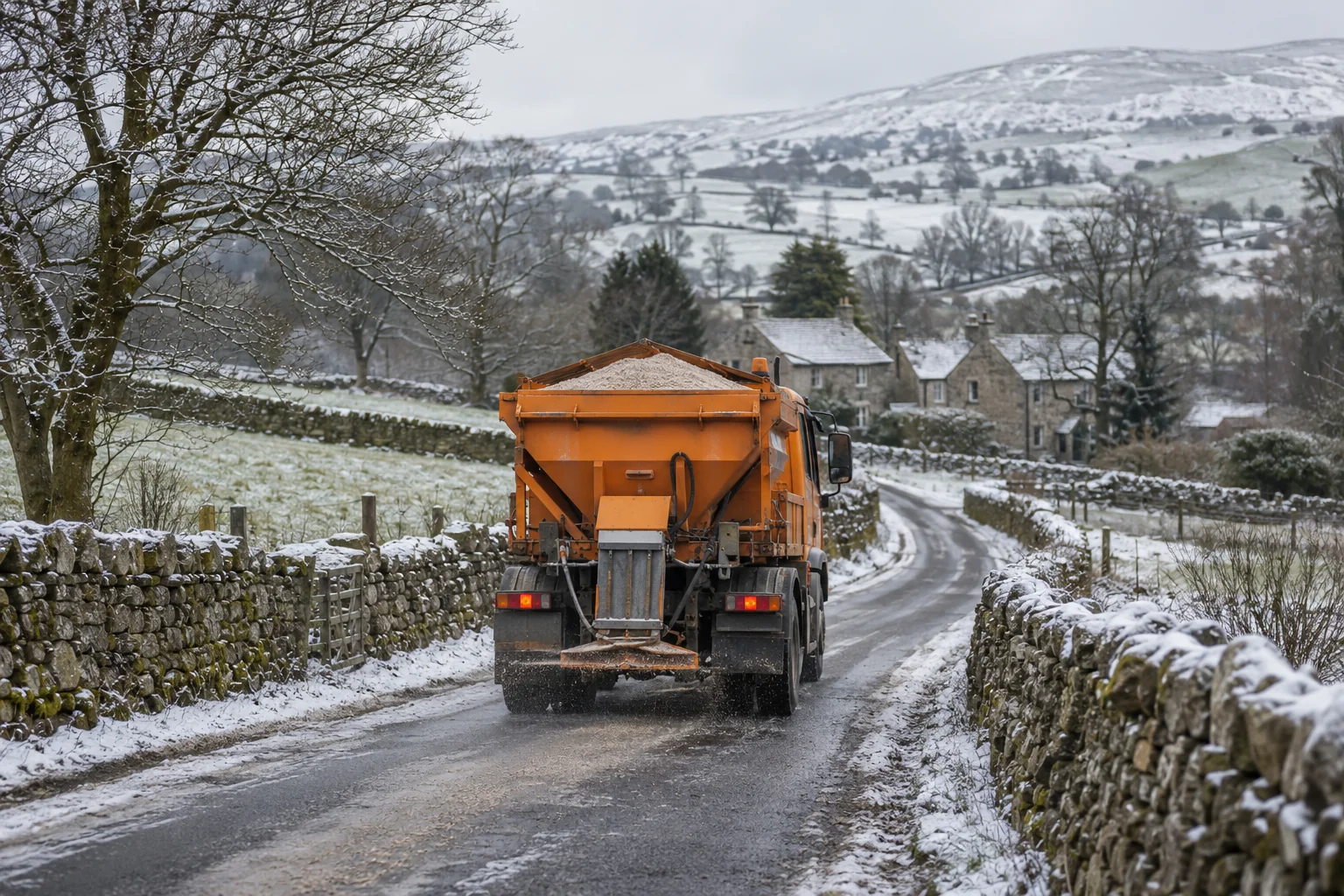
Cold snap / snowed in
Cold snap and snowed in kit
35 items
- Still bottled water, 6 x 2 L
- Food-safe water container with screw cap, 5 L
- Nalgene wide-mouth water bottle, 1 L
- and 32 more items
Amazon links coming soon
Car emergency
Car emergency kit
19 items
- Energizer Vision HD+ head torch
- Amazon Basics AA batteries, pack of 12
- Amazon Basics AAA batteries, pack of 12
- and 16 more items
Amazon links coming soon
First Aid essentials
Or choose single items
Add only what you are missing. Prices and availability are set by Amazon and shown there before you buy.
First Aid
3M Aura FFP3 respirator
Protects against dust and smoke during clean-up. Fit depends on the wearer.
Amazon link coming soon
First Aid
Braun ThermoScan 7 ear thermometer
A quick, accurate ear thermometer that is easy to use on children.
Amazon link coming soon
First Aid
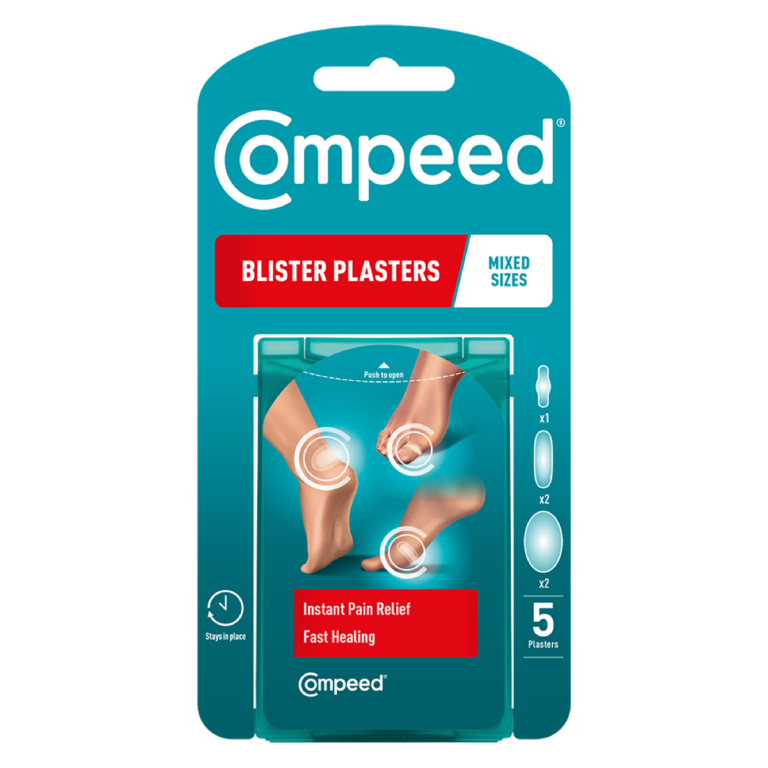
Compeed blister plasters, mixed pack of 6
For blisters if you have to walk further than usual.
Amazon link coming soon
First Aid
Dräger X-plore FFP2 masks, box of 10
Protects against dust during clean-up. Fit depends on the wearer.
Amazon link coming soon
First Aid
Elastoplast fabric plasters, 40 strips
Flexible plasters for small cuts.
Amazon link coming soon
First Aid
First Aid Manual, 11th edition
The UK's standard first aid guide, from St John Ambulance, St Andrew's and the British Red Cross.
Amazon link coming soon
First Aid
Microporous tape, 2.5 cm x 5 m
Holds dressings in place on skin.
Amazon link coming soon
First Aid
Omron Eco Temp Basic digital thermometer
Checks for a fever without needing mains power.
Amazon link coming soon
First Aid
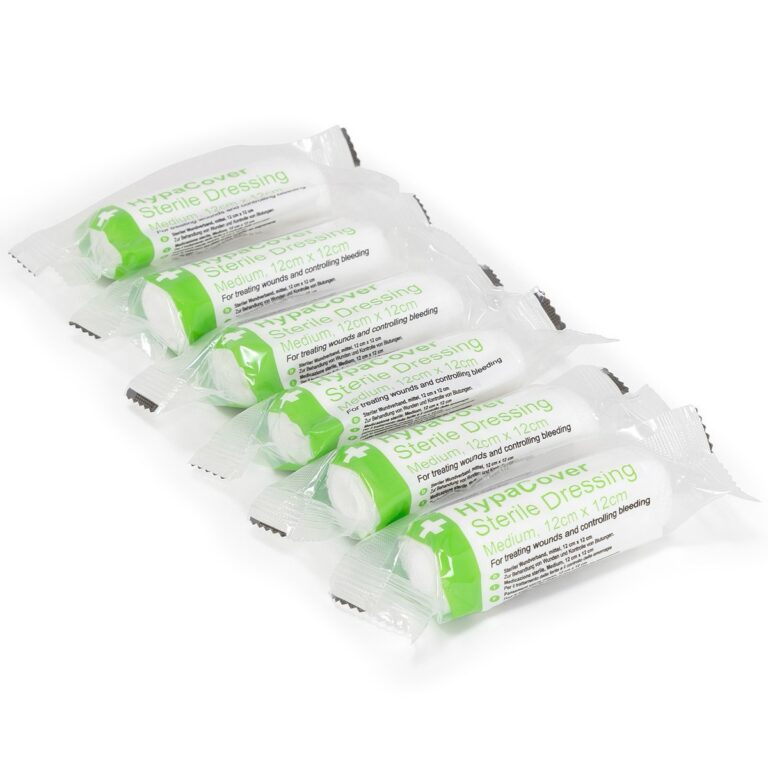
Safety First Aid sterile dressings, 12 x 12 cm, pack of 6
For larger cuts and to restock the first aid kit.
Amazon link coming soon
First Aid
Safety First Aid triangular bandages, pack of 6
For slings and holding dressings in place.
Amazon link coming soon
First Aid
Trauma shears
Cuts through clothing, tape and dressings safely.
Amazon link coming soon
First Aid
WaterWipes sensitive wipes, 3 packs
Gentle wipes for washing when water is short.
Amazon link coming soon
First Aid
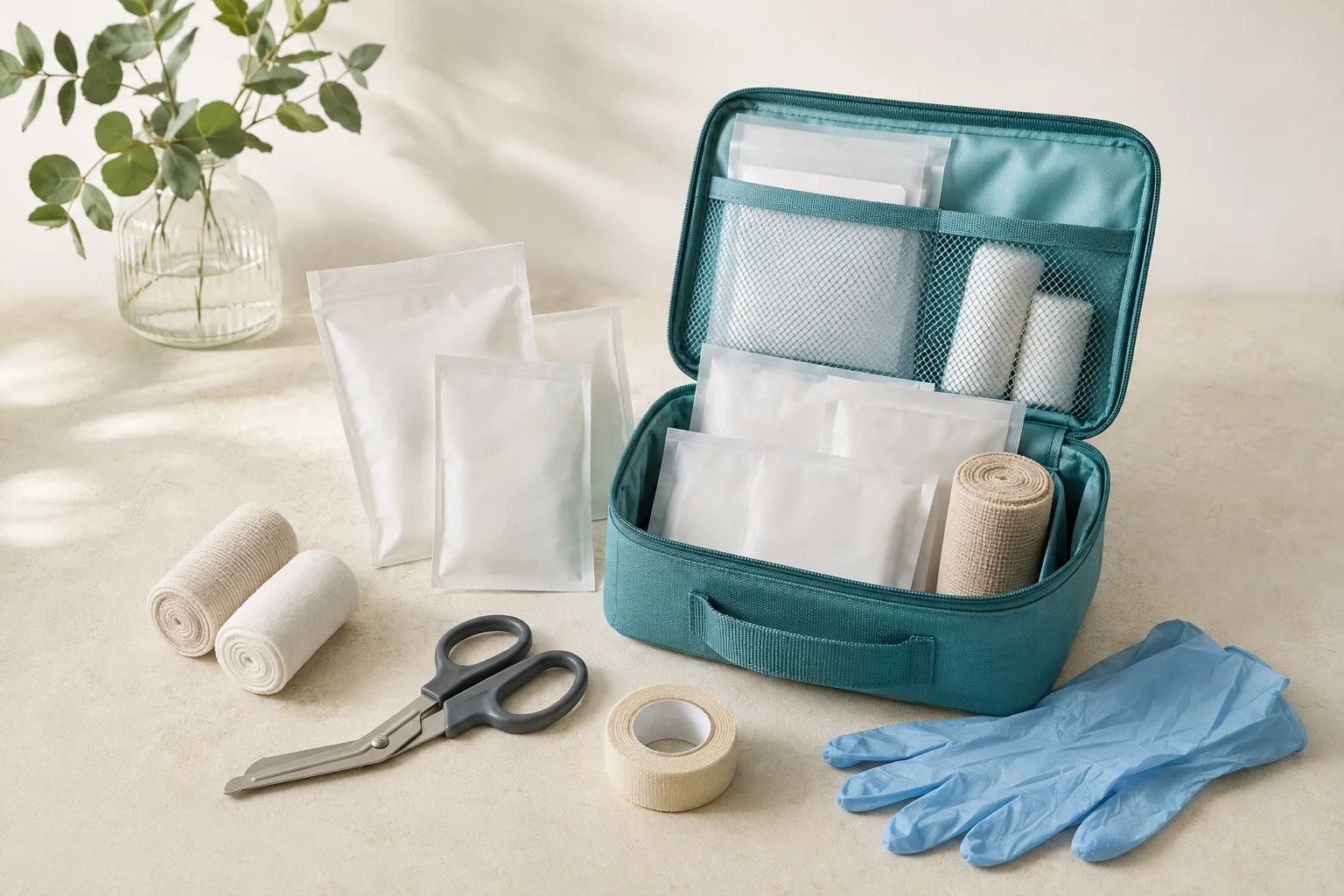
First aid kit, 70 pieces
Plasters, dressings and bandages in one case for the home.
Amazon link coming soon
First Aid
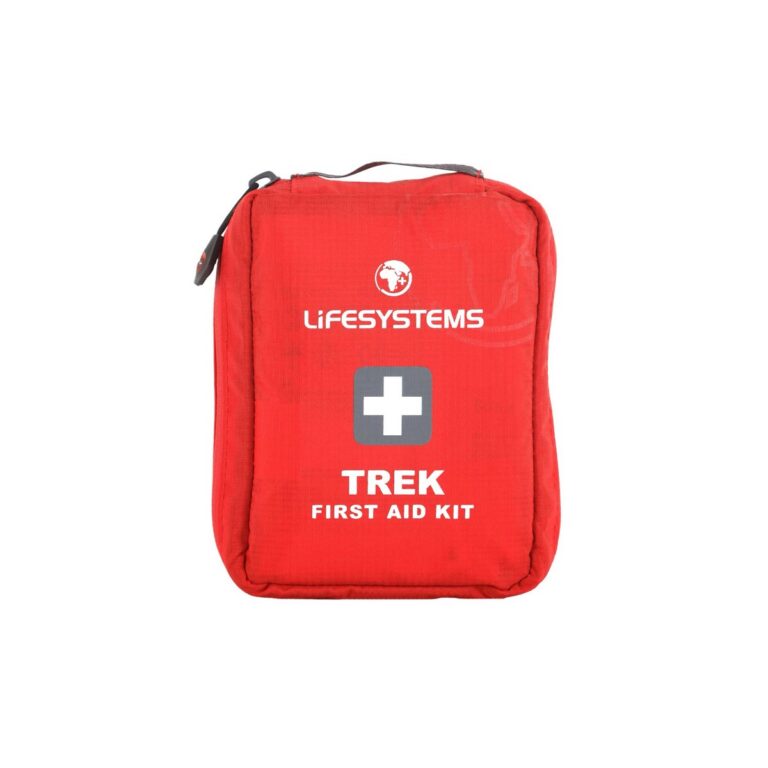
Lifesystems Trek first aid kit
A compact kit for a grab bag or car.
Amazon link coming soon
First Aid
Disposable nitrile gloves, pack of 100
For first aid and dirty clean-up jobs.
Amazon link coming soon
First Aid
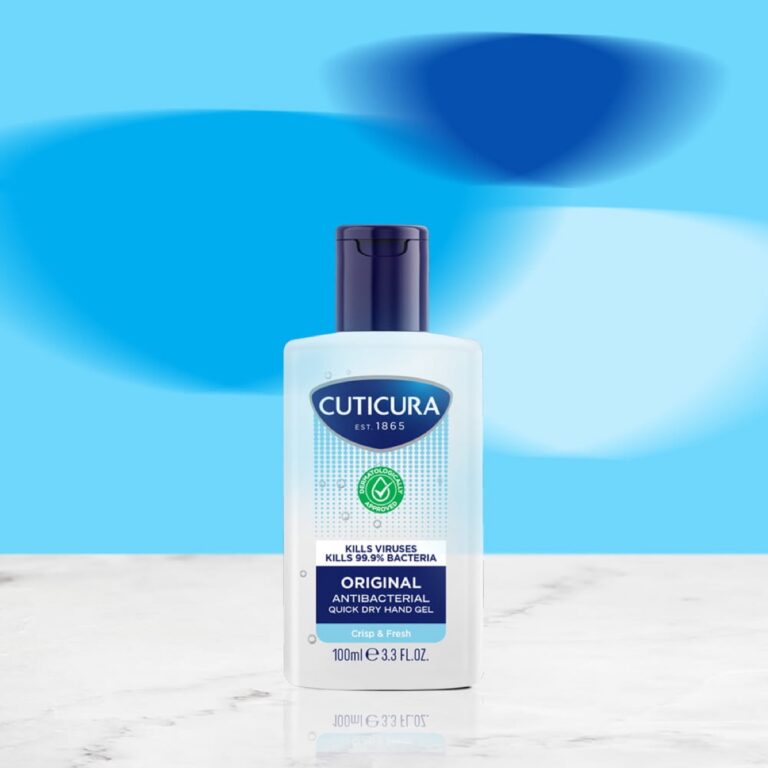
Cuticura antibacterial hand gel, 6 x 100 ml
Clean hands when water is short.
Amazon link coming soon
First Aid
Sterile saline cleansing wipes
Cleans cuts and grazes before covering them.
Amazon link coming soon
First Aid
Cooling towels, pack of 4
Soak, wring out and drape round the neck. They stay cool for an hour or so and can be used again and again.
Amazon link coming soon
First Aid
Oral rehydration sachets, pack of 20
Replace the salts and sugar lost through heavy sweating or an upset stomach. Mix each sachet with drinking water as the pack says.
Amazon link coming soon
First Aid
Sun cream SPF 50, 200 ml
High protection sun cream for anyone who has to be outside in the heat of the day.
Amazon link coming soon
Guides & knowledge
Practical advice for everyday readiness
-
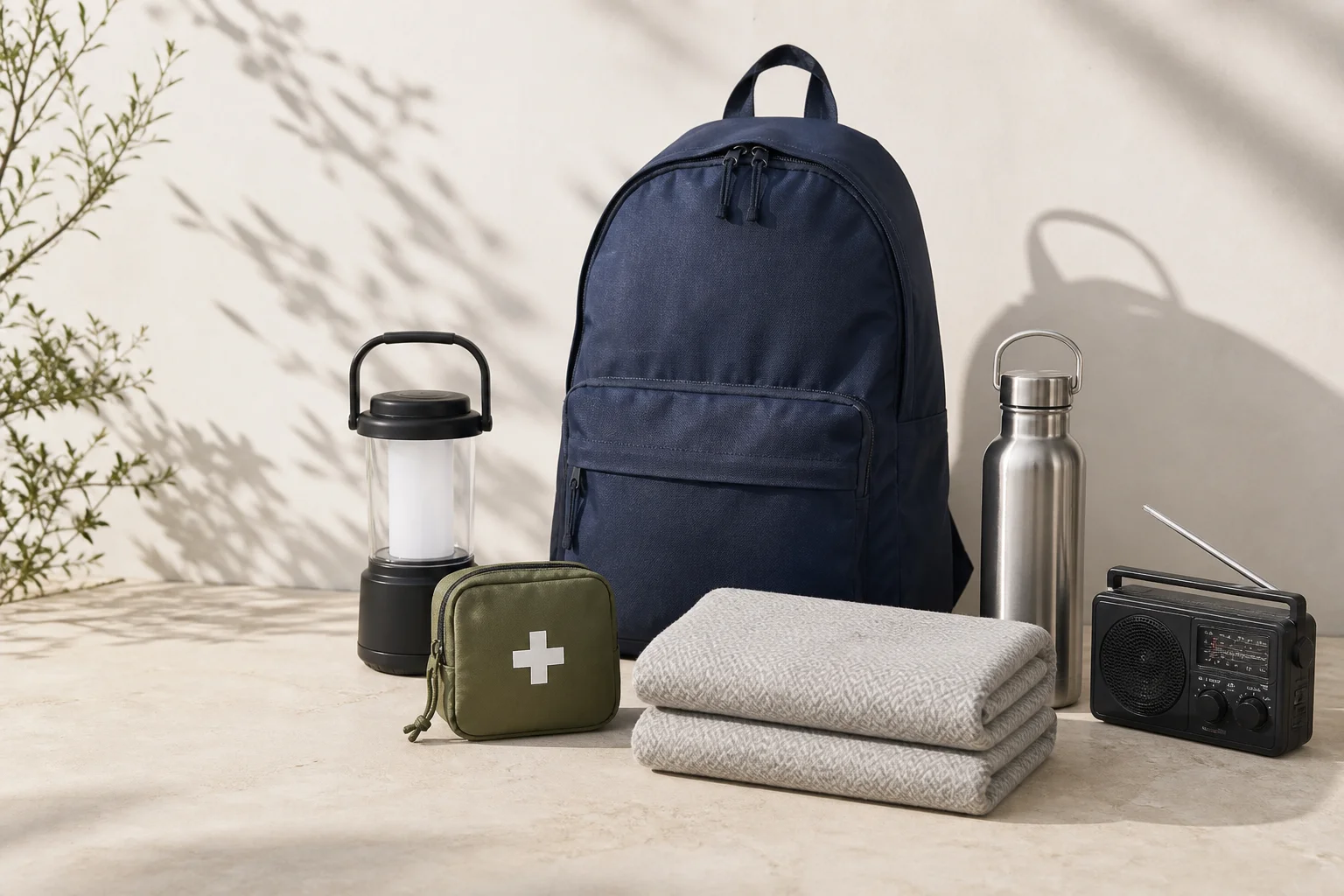
Start with what you already have
Readiness does not need a perfect kit or a weekend-long project. Begin with one everyday need and build from there.
-
How to Build a 72-Hour Household Emergency Plan
You may know where the torch is. Does everyone else? And if the power goes out while you are away, would someone at home know who to call, where the supplies are and what to…
-
How to Stay Warm at Home When the Heating Stops
You notice it first in your feet. Then someone puts a jumper on, checks the thermostat and asks whether the radiators are working. A heating failure on a mild afternoon is inconvenient. During a winter…
-

What Food Should You Keep for a 3-day Emergency?
The kitchen cupboard can look reassuringly full until you realise how much of it needs boiling water, an oven or a working microwave. A bag of pasta will provide plenty of meals. Getting it onto…
Be ready to help.
When it matters most.
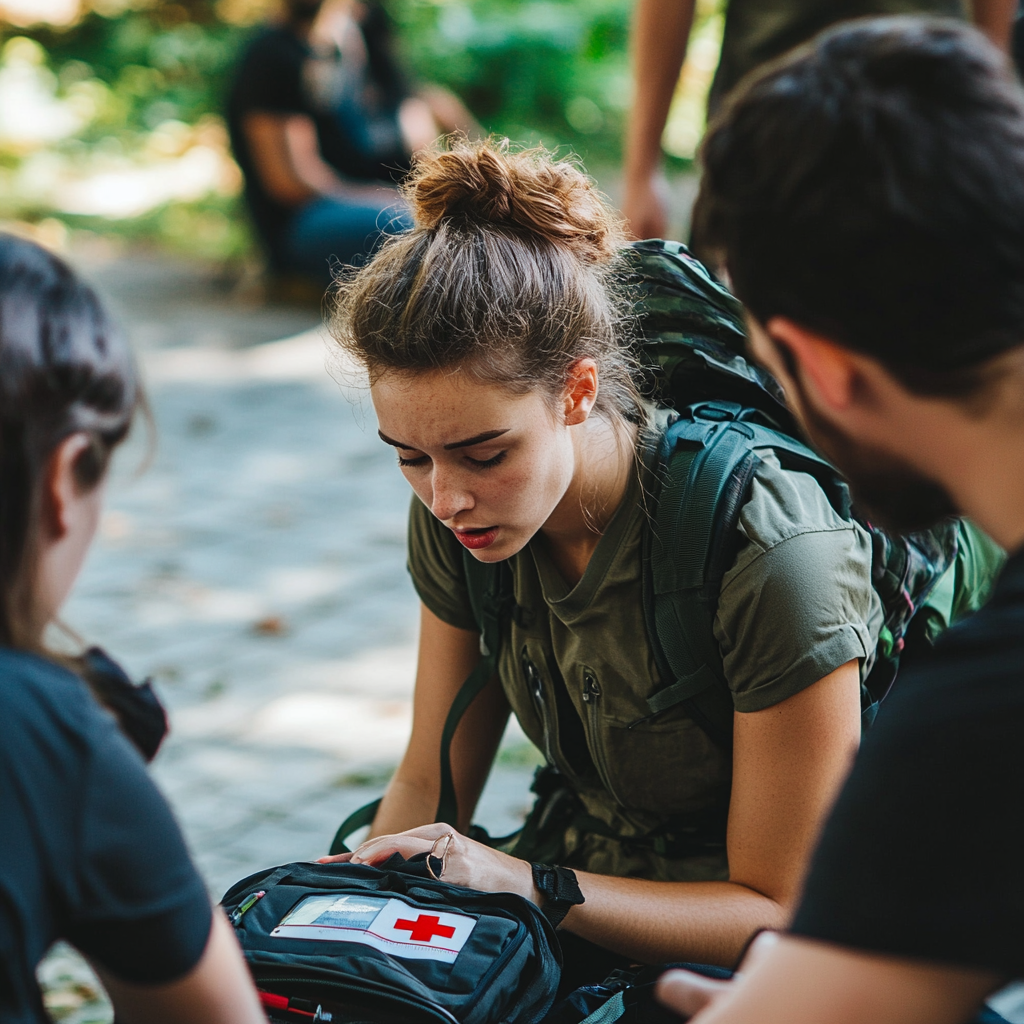
Build the skills, supplies and confidence to respond when someone is hurt. Start with these five first aid essentials.
Your ticks last for this visit. Use the full guidance to build your plan.
Read the UK Prepare guideFirst Aid Frequently Asked Questions
Where should I start with first aid preparedness?
Start with two things: a properly stocked household kit and basic first-aid knowledge. The UK Government’s emergency-kit guidance includes plasters, bandages, a thermometer, antiseptic, eyewash solution, sterile dressings, gloves, medical tape and tweezers.
For a four-person home, a practical starting kit could include 20–30 assorted plasters, several sterile wound dressings in different sizes, gauze pads, 2 triangular bandages, 2 roller bandages, medical tape, 10 pairs of disposable gloves, scissors, tweezers, saline/eyewash and a digital thermometer. That is a planning baseline, not an official standard.
Then add household-specific needs: prescribed medicines, allergy medication, blister care, burns supplies or anything linked to your activities. Finally, take an accredited first-aid course. Equipment is valuable; knowing what to do in the first few minutes can be lifesaving.
What should a home first aid kit contain?
A good home kit should let you deal with common cuts, grazes, minor burns, sprains and illness while also giving you enough material to control bleeding until professional help arrives.
For a typical four-person household, a useful baseline is:
- 20–30 assorted plasters
- 4–6 sterile wound dressings in mixed sizes
- 10 sterile gauze pads
- 2 triangular bandages
- 2 roller/crepe bandages
- medical tape
- 10 pairs of nitrile or other suitable disposable gloves
- blunt-ended scissors and tweezers
- sterile saline or eyewash
- antiseptic/wound-cleaning supplies
- digital thermometer
- a small selection of suitable over-the-counter medicines
Keep everything organised by function rather than loose in a box. Add personal medication and condition-specific items separately, and make sure everyone knows where the kit is.
Do I need more than one first aid kit?
Yes. Keep one proper household kit in a fixed, well-known location, then smaller kits where access to the main kit may be difficult — for example in the car, a grab bag or a frequently used travel bag.
The smaller kits do not need to duplicate everything. A compact car or grab-bag kit might contain gloves, plasters, a couple of sterile dressings, gauze, tape, a triangular bandage, saline pods and basic wound-cleaning items.
The principle is access, not quantity. A £100 kit at home is irrelevant if someone is injured ten miles away. Equally, stuffing advanced equipment into every bag creates clutter and expired stock. Build one strong core kit and smaller purpose-specific kits around it.
How often should I check my first aid kit?
Check the kit every three months and immediately after any use. Replace opened sterile products, used dressings, damaged packaging and anything that is missing.
At each quarterly check, review medicine and sterile-solution expiry dates, make sure the thermometer works, inspect scissors and tweezers, and confirm gloves have not deteriorated. Keep a simple restock note inside the lid so the last person to use something can record it.
Once a year, empty the kit completely and rebuild it in order. That is also a good time to refresh your first-aid knowledge. A kit slowly becomes unreliable through dozens of tiny omissions — one pair of gloves here, one dressing there — so regular restocking matters more than buying a huge kit once.
Should I keep prescription medicines in an emergency kit?
If someone relies on prescription medicine, continuity of that medicine belongs in your emergency plan. The UK Government advises having enough regular medication to keep you going for several days. The exact amount you can obtain depends on the prescription and clinical circumstances, so discuss it with your GP or pharmacist rather than stockpiling or changing doses yourself.
Keep an up-to-date paper list of medicine names, strengths, doses, allergies and relevant medical conditions. Store medicines exactly as instructed — particularly anything that must be refrigerated — and include backup-power planning for temperature-controlled medication or medical devices.
If you are evacuated, take medicines with you where it is safe to do so. Never decant prescription medicines into unlabelled emergency containers.
What is the difference between a first aid kit and a trauma kit?
A standard first-aid kit is designed mainly for common household injuries: cuts, grazes, minor burns, sprains and basic wound care. A trauma kit is built around serious injury, especially major bleeding, and may contain specialist equipment that requires specific training.
For most households, a well-stocked first-aid kit plus good training is the priority. A trauma kit becomes more relevant if your work, sport, travel or environment carries a higher risk of major injury, or if you have completed appropriate trauma/bleeding-control training.
Do not assume more advanced equipment automatically makes you better prepared. In a catastrophic bleed, immediate actions such as calling 999 and applying firm continuous direct pressure can be lifesaving. The best kit is the one whose contents you understand and can use correctly.
Do I need a tourniquet?
Not necessarily for a normal household first-aid kit. Tourniquets are designed for catastrophic bleeding from a limb, not ordinary cuts, and they should not be treated as a general-purpose bandage.
If you choose to keep one because of your work, outdoor activities, travel or trauma training, buy a reputable medical product and learn how to use it through recognised first-aid or bleeding-control training. Do not practise by fully tightening it on another person.
For severe uncontrolled bleeding, call 999 and apply strong, continuous direct pressure to the wound with available material. Follow the emergency call handler’s instructions. A tourniquet can be lifesaving in the right circumstances, but owning one without understanding when and how to use it is not a substitute for first-aid training.
What should I include for burns?
For a thermal burn or scald, NHS guidance is clear: cool the area under cool running water for 20 minutes, as soon as possible and ideally within three hours of the injury. Remove clothing or jewellery near the burn unless it is stuck to the skin. Once cooled, lay cling film loosely over the burn if available — do not wrap it tightly around a limb.
Do not use butter, oils, creams or ice, and do not burst blisters.
Call 999 or seek emergency assessment for very large or deep burns, burns to the face, genitals or bottom, and electrical or chemical burns. If you are unsure what to do with a less serious burn, NHS 111 can advise. A good kit should contain non-stick sterile dressings, but water is the first treatment.
What first aid items are useful during a power cut or severe weather event?
Add items that deal with the problems outages create: poor lighting, cold, disrupted medication and delayed access to care. Keep a head torch next to the first-aid kit so you can use both hands, plus a foil blanket or other compact warmth layer, extra gloves and enough wound dressings for more than one incident.
If anyone relies on powered medical equipment, keep the manufacturer’s instructions on paper and have an appropriate backup-power plan. If medication needs refrigeration, know the safe storage range and have a plan agreed with the pharmacist or clinical team.
Also keep emergency numbers and key medical information on paper. In a long outage, the first-aid kit becomes more valuable precisely because normal communication, transport or local services may be slower than usual.
Should I keep medicines such as painkillers or antihistamines?
A small, carefully chosen medicine section is useful, provided every product is suitable for the people in your household. Common categories might include pain relief such as paracetamol, an age-appropriate antihistamine where suitable, oral rehydration products, and any other over-the-counter medicine you already use safely.
Keep medicines in their original packaging with the leaflet, follow the labelled dose and check expiry dates. Children need age-appropriate products and doses. Some medicines are unsuitable with certain medical conditions, pregnancy or prescription drugs, so ask a pharmacist if there is any uncertainty.
Do not turn an emergency kit into a pharmacy cupboard. The goal is a modest supply of familiar, appropriate products — not self-treating serious illness or using medication you have never taken before.
Where should I store my first aid kit?
Store the main kit somewhere dry, easy to reach and known to everyone old enough to use it. Avoid damp bathrooms or very hot locations, because moisture and temperature can damage medicines, adhesive dressings and sterile packaging.
If the kit contains medicines, sharps or anything hazardous to children, keep it securely out of their reach while still accessible to adults. Do not lock it somewhere that would be impossible to reach quickly in an emergency.
A hallway cupboard, utility cupboard or clearly marked kitchen storage area often works well. Keep the kit in the same place permanently and put a small torch with it. During an emergency, nobody should have to search three cupboards and the boot of the car to find a sterile dressing.
When should I call 999 rather than treat something myself?
Call 999 when the situation may be life-threatening. Examples include severe difficulty breathing, unconsciousness or unresponsiveness, suspected heart attack or stroke, choking, catastrophic or uncontrolled bleeding, severe burns, drowning, major trauma or a severe allergic reaction.
If bleeding is severe, apply firm continuous direct pressure while someone calls 999. If the person is not breathing normally, the emergency call handler can guide you through CPR and other immediate actions.
For urgent problems that are not clearly life-threatening — or if you are unsure whether 999 is appropriate — use NHS 111. First aid is there to preserve life, prevent deterioration and support recovery until professional care is available; it is not a replacement for emergency medical treatment.