
Your readiness check
Reflect on six areas of your household’s preparation and get a practical action plan. No account needed.
Your household.More prepared.
A practical plan for your household, built from your answers.
Your starting point
Your next useful steps
Your first next step
What to do next, in order
Start with these practical actions, selected from your “Not yet” answers first, then “Partly”. The full findings below include every answer.
Your six-area overview
The score averages all 18 answers, with three questions in each of six equally weighted areas. An area is red if any answer is “Not yet”, amber if none is “Not yet” but at least one is “Partly”, and green if all three are “Yes”. Priorities follow your answers, not a prediction of risk.
-
01 Water
Action neededWhy this matters
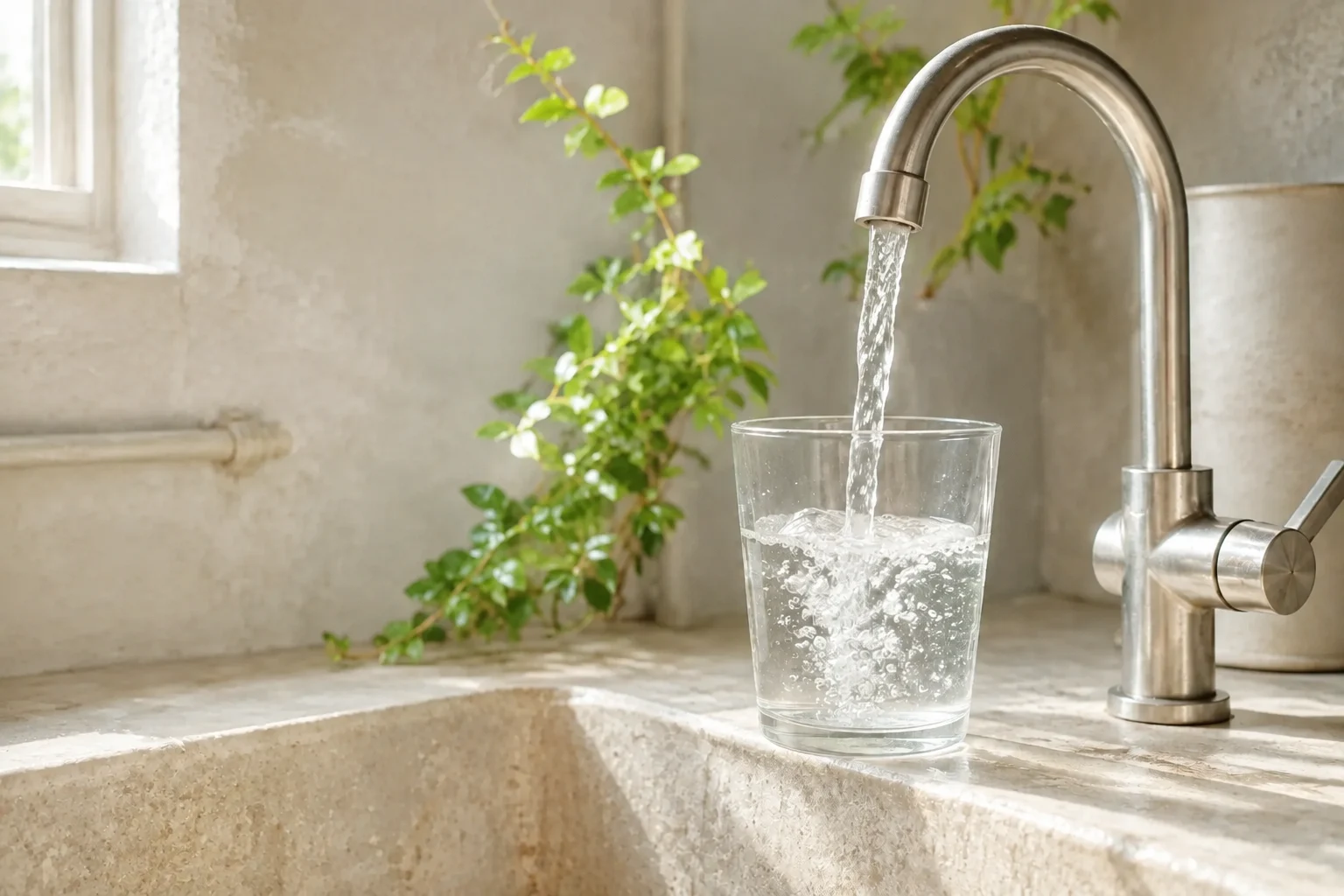
A water interruption affects drinking and everyday routines. A plan is more useful when it covers your household’s needs and supplies are easy to find.
Your answers and findings
Action neededYour overall plan
Do you have a plan if your tap water stops?
What to do next
List who needs water in your home, including pets. Identify where suitable drinking water could be kept and how you would access it.
What to do next
Check what you have stored, make sure everyone knows where it is, and follow the storage instructions.
Keep this current
Review your water arrangements when household needs change and check storage dates.
Action neededStorage & access
Do you have drinking water stored where you can reach it?
What to do next
Identify a suitable storage place, check what you already have and follow the supplier’s storage instructions.
What to do next
Identify a suitable storage place, check what you already have and follow the supplier’s storage instructions.
Keep this current
Identify a suitable storage place, check what you already have and follow the supplier’s storage instructions.
Action neededEveryone’s needs
Does your water plan cover everyone, including pets?
What to do next
Write down the people and pets your plan needs to cover, including any additional needs.
What to do next
Write down the people and pets your plan needs to cover, including any additional needs.
Keep this current
Write down the people and pets your plan needs to cover, including any additional needs.
Useful additions
Check what you already own before filling any gaps.
-
02 Power & lighting
Action neededWhy this matters
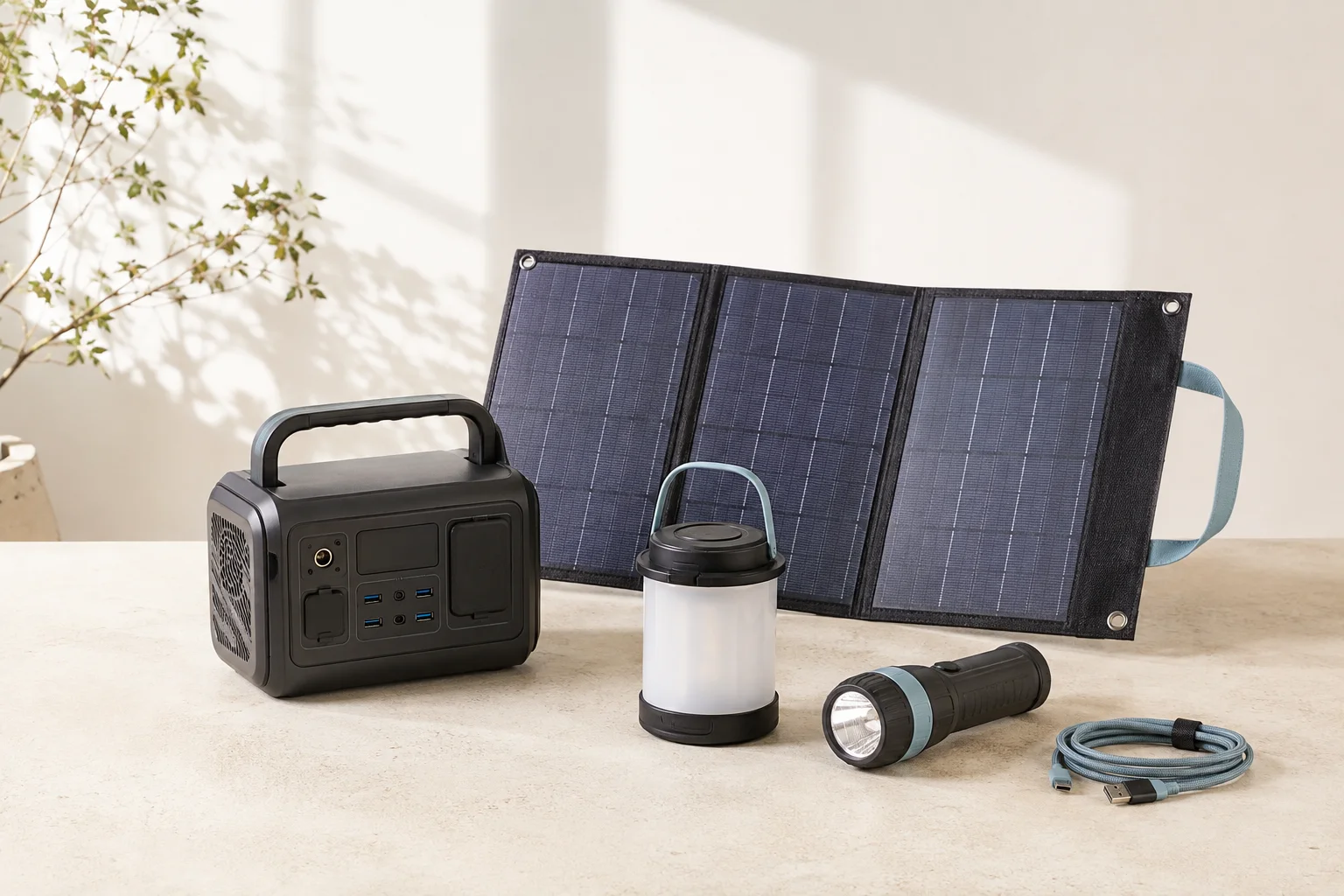
During a power cut, checked lighting and a charging plan help you use the equipment you already own and keep essential devices available.
Your answers and findings
Action neededYour overall plan
In a power cut, do you have light and charging?
What to do next
Gather your torches in an accessible place. Test them and list the devices you would need to keep charged.
What to do next
Check spare batteries and charge your power banks. Agree which devices you would prioritise.
Keep this current
Test lighting and recharge stored power banks regularly, following their instructions.
Action neededLighting checks
Have you tested your torches and spare batteries?
What to do next
Test each torch and check that any spare batteries are the right type and within their use-by dates.
What to do next
Test each torch and check that any spare batteries are the right type and within their use-by dates.
Keep this current
Test each torch and check that any spare batteries are the right type and within their use-by dates.
Action neededEssential charging
Do you know which devices you’d charge first, and how?
What to do next
List essential devices, check compatible charging leads and charge your power banks according to their instructions.
What to do next
List essential devices, check compatible charging leads and charge your power banks according to their instructions.
Keep this current
List essential devices, check compatible charging leads and charge your power banks according to their instructions.
Useful additions
Check what you already own before filling any gaps.
-
03 Food & storage
Action neededWhy this matters
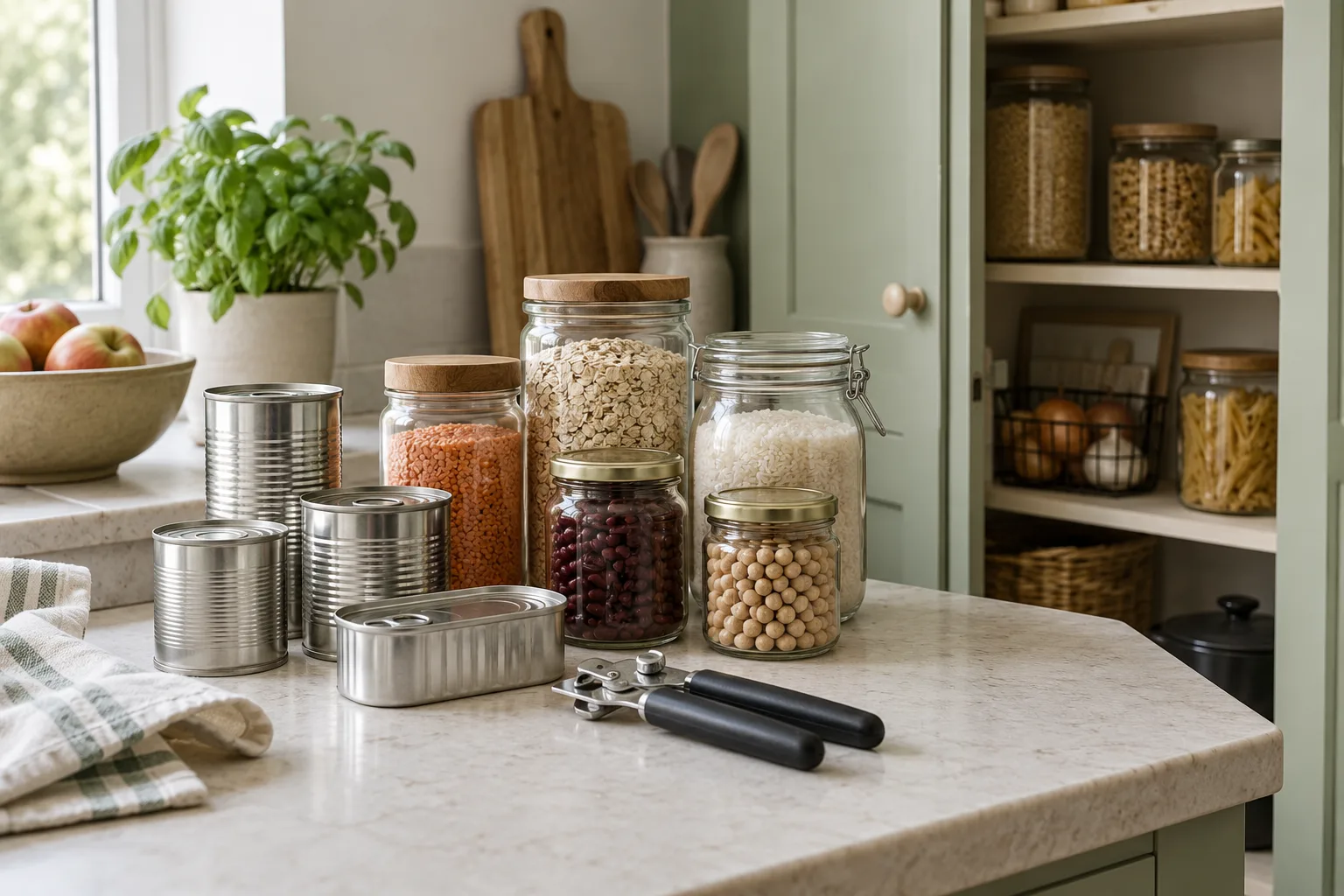
Food that suits your household and can be used with the appliances available gives you practical options when everyday routines are disrupted.
Your answers and findings
Action neededYour overall plan
Do you have food and essentials to get through a disruption?
What to do next
Make a list of familiar food and everyday essentials, allowing for dietary needs and what can be used without your usual appliances.
What to do next
Check dates, fill any gaps in your list and put older supplies at the front to use first.
Keep this current
Rotate food into everyday meals and review your list as household needs change.
Action neededPreparing food
Could you eat without your usual cooker or microwave?
What to do next
Identify food you can use without your usual appliances, including a manual opener if your supplies need one.
What to do next
Identify food you can use without your usual appliances, including a manual opener if your supplies need one.
Keep this current
Identify food you can use without your usual appliances, including a manual opener if your supplies need one.
Action neededDietary needs & dates
Have you checked dates and dietary needs?
What to do next
Check dates and dietary requirements, put older supplies first and add any gaps to your shopping list.
What to do next
Check dates and dietary requirements, put older supplies first and add any gaps to your shopping list.
Keep this current
Check dates and dietary requirements, put older supplies first and add any gaps to your shopping list.
Useful additions
Check what you already own before filling any gaps.
-
04 First aid
Action neededWhy this matters
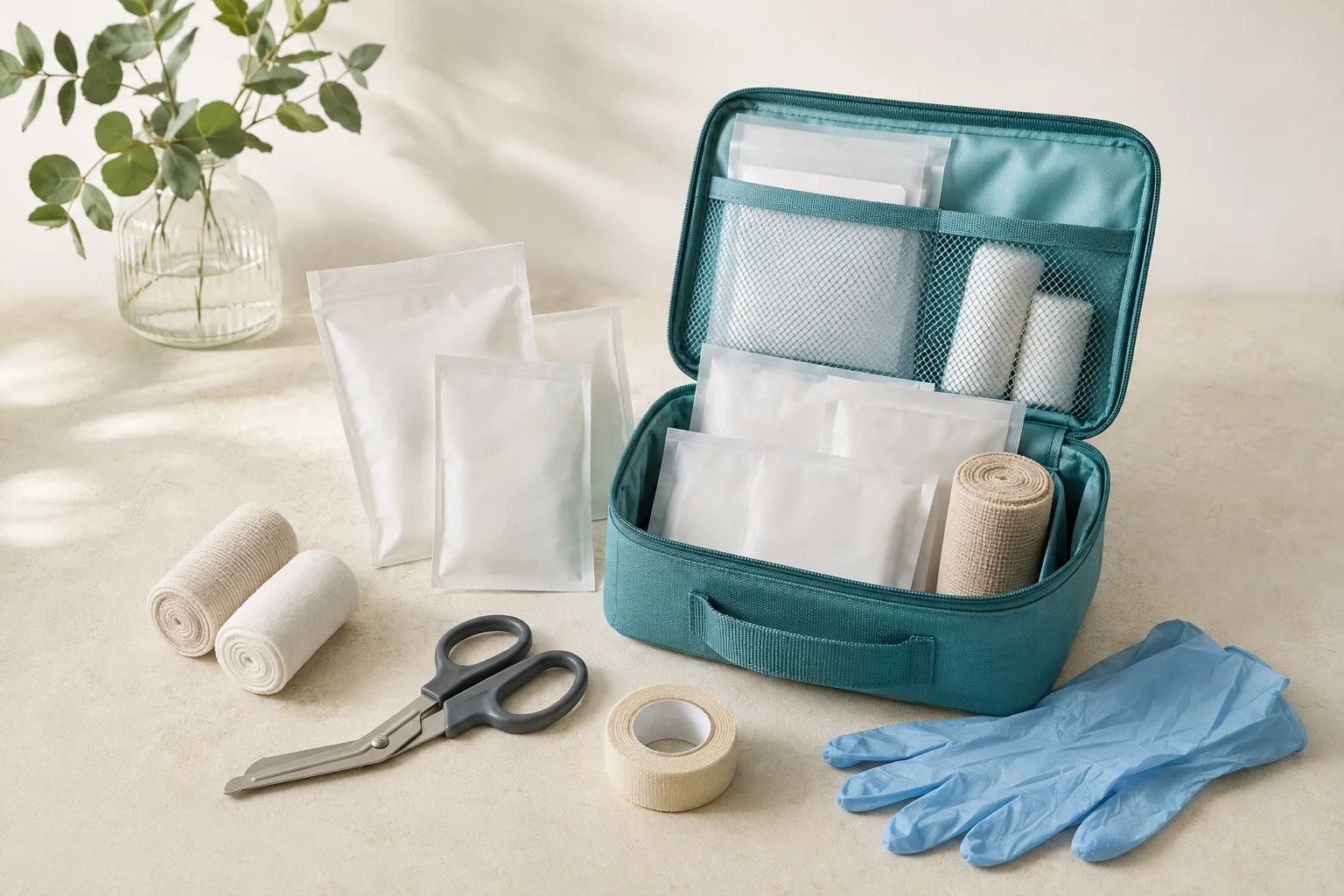
Keeping checked supplies in a known place makes them easier to find. Supplies and reliable guidance serve different purposes, so review both.
Your answers and findings
Action neededYour overall plan
Do you know where your first-aid kit is?
What to do next
Gather your first-aid supplies in one place and tell everyone where to find them.
What to do next
Check packaging and expiry dates and make a list of anything missing or used up.
Keep this current
Check supplies regularly and consider recognised first-aid training for your household.
Action neededContents & condition
Is your first-aid kit complete and in date?
What to do next
Review the contents and packaging, check dates and write down anything that needs replacing.
What to do next
Review the contents and packaging, check dates and write down anything that needs replacing.
Keep this current
Review the contents and packaging, check dates and write down anything that needs replacing.
Action neededFinding help
Does everyone know where the kit and first-aid advice are?
What to do next
Show your household where supplies are kept and save a recognised source of first-aid guidance for later reference.
What to do next
Show your household where supplies are kept and save a recognised source of first-aid guidance for later reference.
Keep this current
Show your household where supplies are kept and save a recognised source of first-aid guidance for later reference.
Useful additions
Check what you already own before filling any gaps.
-
05 Communication
Action neededWhy this matters
Paper contacts and agreed sources of updates give everyone a shared starting point if a phone is unavailable or information is unclear.
Your answers and findings
Action neededYour overall plan
Could you get trusted updates and reach the people who matter?
What to do next
Write important contacts on paper. Choose a reliable source of local updates and a person to contact if you become separated.
What to do next
Share the contact list and agree how you will check in if mobile service is disrupted.
Keep this current
Update contact details and check that everyone can find a paper copy of the plan.
Action neededPaper contacts
Are important phone numbers written on paper?
What to do next
Write important contacts on paper and keep a copy where everyone can find it.
What to do next
Write important contacts on paper and keep a copy where everyone can find it.
Keep this current
Write important contacts on paper and keep a copy where everyone can find it.
Action neededTrusted updates
Have you agreed trusted sources and a check-in plan?
What to do next
Choose your local council and utility providers as sources to check, and agree a household contact and check-in plan.
What to do next
Choose your local council and utility providers as sources to check, and agree a household contact and check-in plan.
Keep this current
Choose your local council and utility providers as sources to check, and agree a household contact and check-in plan.
Useful additions
Check what you already own before filling any gaps.
-
06 Home & planning
Action neededWhy this matters
A shared plan helps people understand their role and makes additional support needs visible before a disruption.
Your answers and findings
Action neededYour overall plan
Have you talked through a household emergency plan together?
What to do next
Talk through who does what during a disruption and who may need extra help. Choose an accessible place for your household plan.
What to do next
Agree a meeting point and check that your plan includes children, pets and anyone needing support.
Keep this current
Revisit roles and support needs together when circumstances change.
Action neededRoles & meeting point
Have you agreed who does what, and where to meet?
What to do next
Agree who will do what and choose a meeting point that everyone can reach and recognise.
What to do next
Agree who will do what and choose a meeting point that everyone can reach and recognise.
Keep this current
Agree who will do what and choose a meeting point that everyone can reach and recognise.
Action neededSupport & review
Does your plan cover extra help needs and a review date?
What to do next
Talk through any extra support your household needs and set a date to review the plan together.
What to do next
Talk through any extra support your household needs and set a date to review the plan together.
Keep this current
Talk through any extra support your household needs and set a date to review the plan together.
Useful additions
Check what you already own before filling any gaps.
Keep your plan current
Set a reminder to repeat this check in three months, or sooner if your household changes. Check supplies and update your contacts together.
Keep reviewing your plan as your household’s needs change. A high self-reported score does not guarantee readiness for every emergency.
Kits to explore
Matched to areas you marked “Not yet” or “Partly”. Check what you already have first. Purchasing a kit does not change your score.
Water
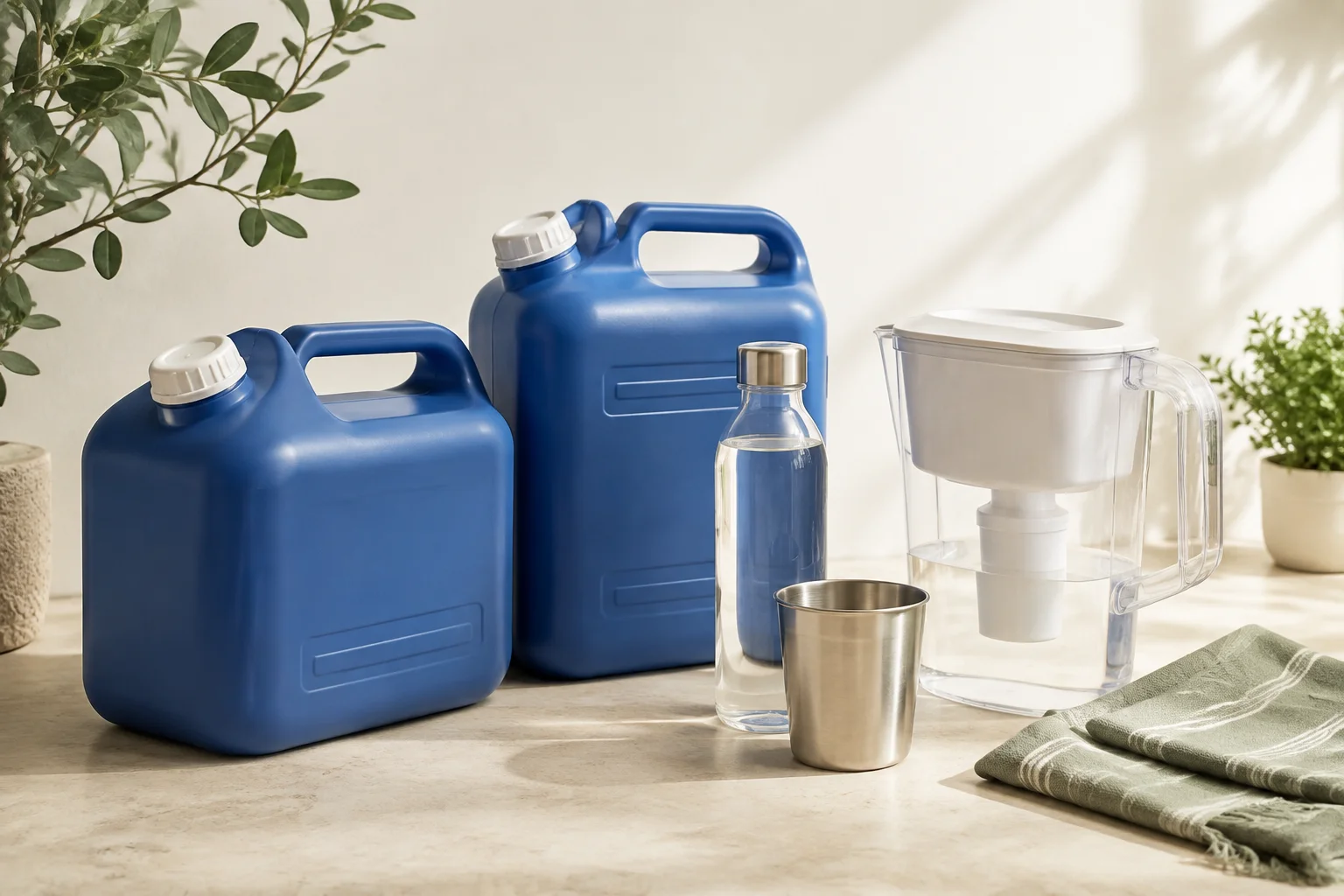
Water starter kit
12 items
- Nalgene wide-mouth water bottle, 1 L
- SWIFTER collapsible soft flasks, 2 x 500 ml
- Platypus collapsible water bottle, 2 L
- and 9 more items
Amazon links coming soon
Power & Lighting
Power and lighting starter kit
13 items
- Petzl Actik head torch
- Energizer Fusion compact LED lantern
- Fenix PD36R rechargeable torch
- and 10 more items
Amazon links coming soon
Food & Cooking
Food and cooking starter kit
17 items
- yfood meal replacement drinks, taster pack of 5
- Wayfayrer ready-to-eat meal pouch, 300 g
- Nature Valley Protein bars, 26 x 40 g
- and 14 more items
Amazon links coming soon
First Aid
First aid starter kit
15 items
- First aid kit, 70 pieces
- Elastoplast fabric plasters, 40 strips
- Safety First Aid sterile dressings, 12 x 12 cm, pack of 6
- and 12 more items
Amazon links coming soon
Communication & Safety
Communication and safety starter kit
13 items
- Panasonic RF-2400 battery radio
- Amazon Basics AA batteries, pack of 12
- Lifesystems emergency whistle
- and 10 more items
Amazon links coming soon
Storm / stay at home
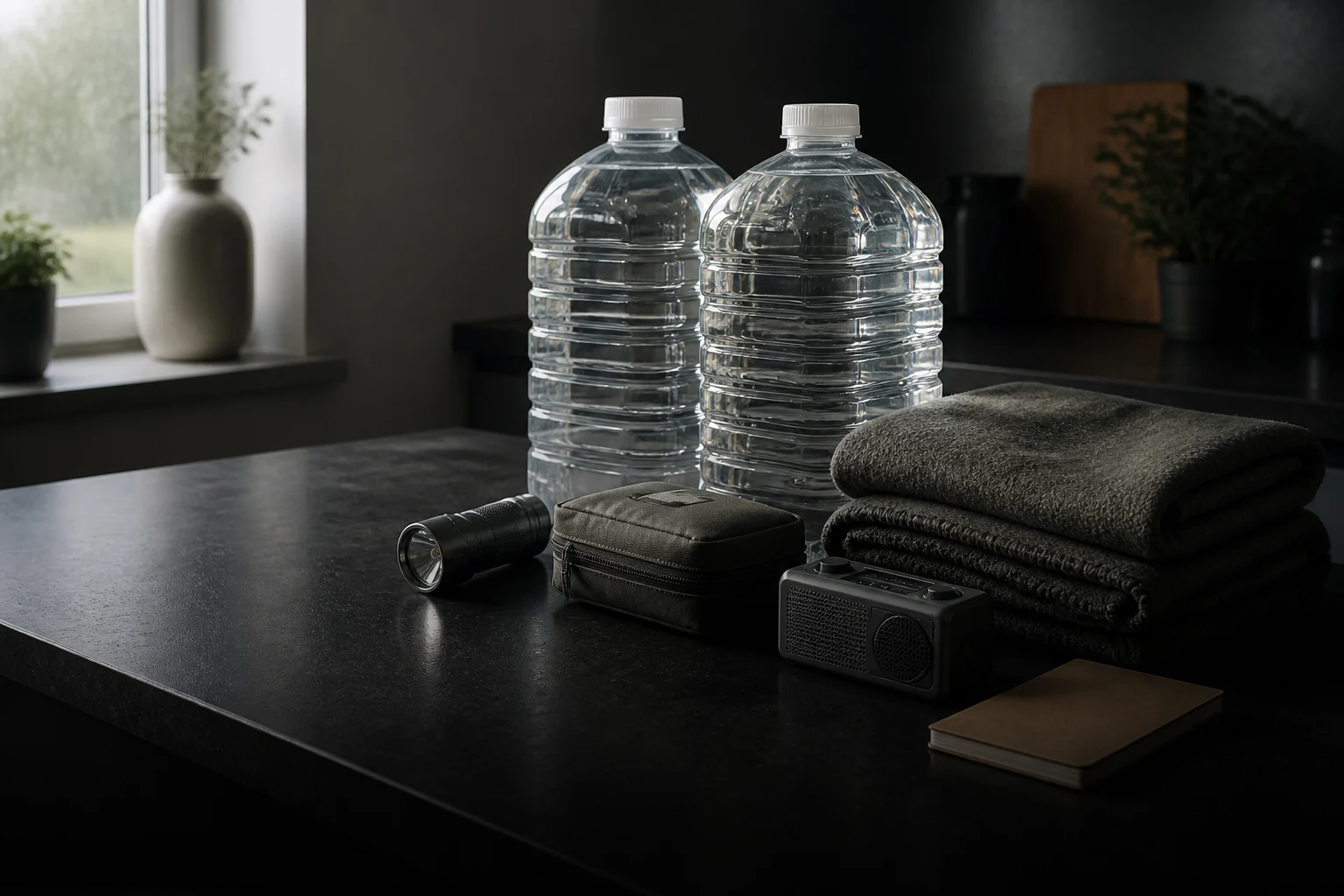
Storm and stay at home kit
26 items
- yfood meal replacement drinks, taster pack of 5
- Wayfayrer ready-to-eat meal pouch, 300 g
- Nature Valley Protein bars, 26 x 40 g
- and 23 more items
Amazon links coming soon
This report reflects your own answers and is a planning aid, not a safety certification. All six areas count equally. Buying supplies does not change your score. A downloaded or printed copy contains the answers shown here.