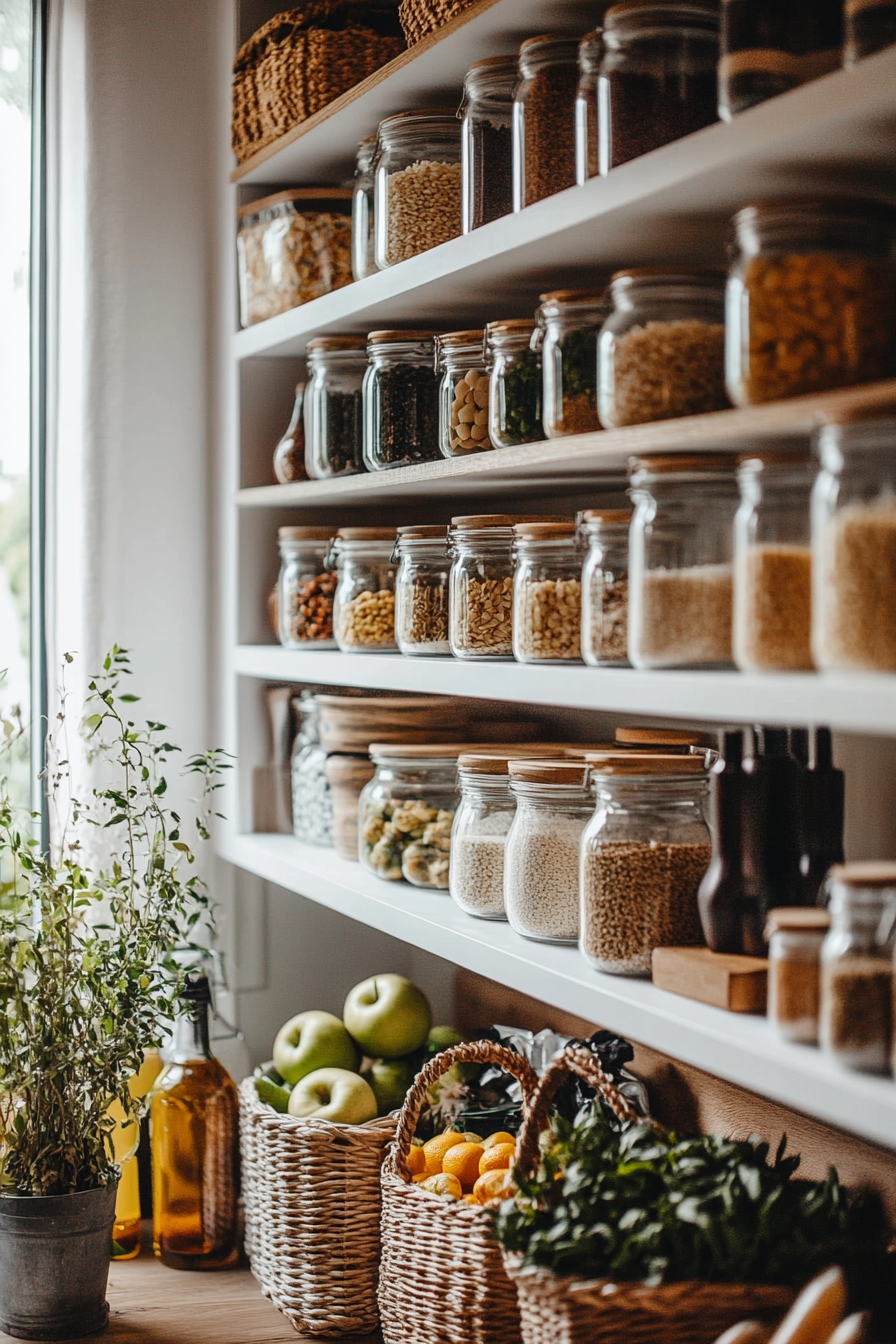
The kitchen cupboard can look reassuringly full until you realise how much of it needs boiling water, an oven or a working microwave.
A bag of pasta will provide plenty of meals. Getting it onto the plate during a power cut is where things become more complicated.
Preparing a three-day food supply means thinking about what everyone in your home could actually eat if shopping and cooking became difficult. That includes breakfast, something substantial for dinner, and the snacks that stop a long afternoon becoming an unhappy one.
You may already have a fair amount of it. A look through your cupboards is a good place to begin.
Start with food your household knows
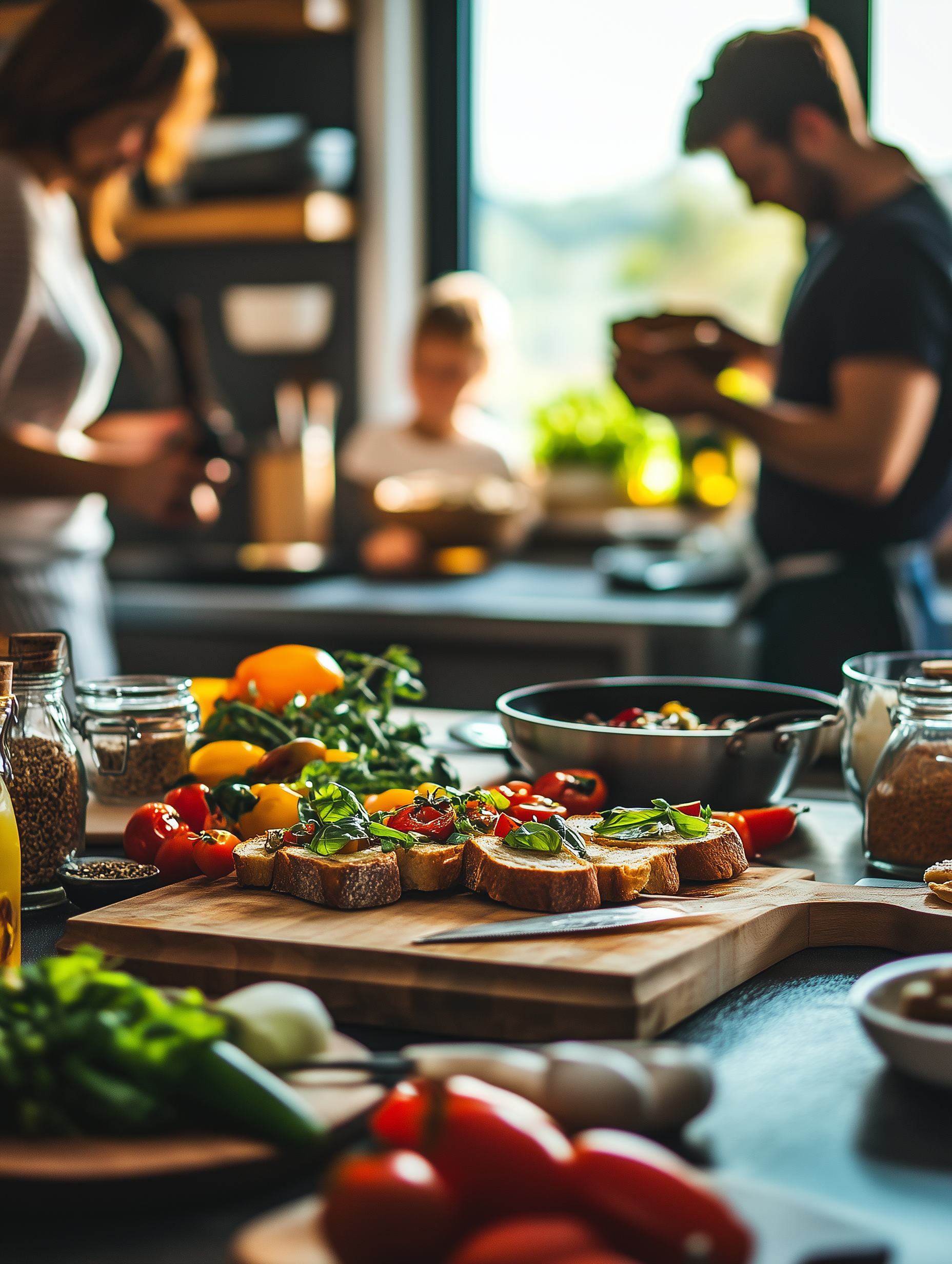
An emergency is a poor time to discover that nobody likes the food you bought for one.
Choose familiar foods that keep well and need little preparation. Finland’s 72-hour preparedness guidance recommends building your reserve around everyday groceries, using them normally and replacing them as you go. That approach makes supplies easier to maintain and helps avoid waste. Finnish 72-hour guidance
For your first three days, make sure you have enough food that can be eaten without cooking. The UK Government’s Prepare guidance recommends non-perishable, ready-to-eat foods and a tin opener. UK Prepare guidance
There is room for variety here. Three days of crackers would soon lose their appeal.
What belongs on the shopping list?
Aim for a mix of foods that can become meals, rather than a collection of snacks.
| Food to consider | What to check |
|---|---|
| Crackers, crispbread and oatcakes | Choose varieties your household enjoys, with suitable toppings. |
| Tinned fish or ready-to-eat tinned meat | Check that the product can be eaten without cooking. |
| Tinned beans, chickpeas and lentils | Choose cooked, ready-to-eat products. Dried versions need water and cooking. |
| Tinned vegetables and fruit | Useful for adding variety to simple meals. |
| Nut or seed butter | Check allergies and storage instructions after opening. |
| Breakfast cereal | Pair with small cartons of shelf-stable milk or a suitable alternative. |
| Nuts, dried fruit and cereal bars | Useful extras between meals; choose age-appropriate foods for children. |
| Shelf-stable meals labelled ready to eat | Check the preparation instructions before counting them as a no-cook option. |
Norway’s civil protection agency suggests foods such as crispbread with suitable toppings and salads made with cooked canned pulses and tinned fish or meat when heating is unavailable. DSB guidance on meals during a crisis
Long shelf life does not automatically mean ready to eat. Some rice pouches, packet meals and soups still require heating or added water. Read the instructions while you are shopping.
Think about pack size, too. A large carton may be economical during an ordinary week, but smaller portions can be more practical when you cannot refrigerate leftovers. Shelf-stable milk, for example, usually needs refrigeration once opened.
How much food should you store?
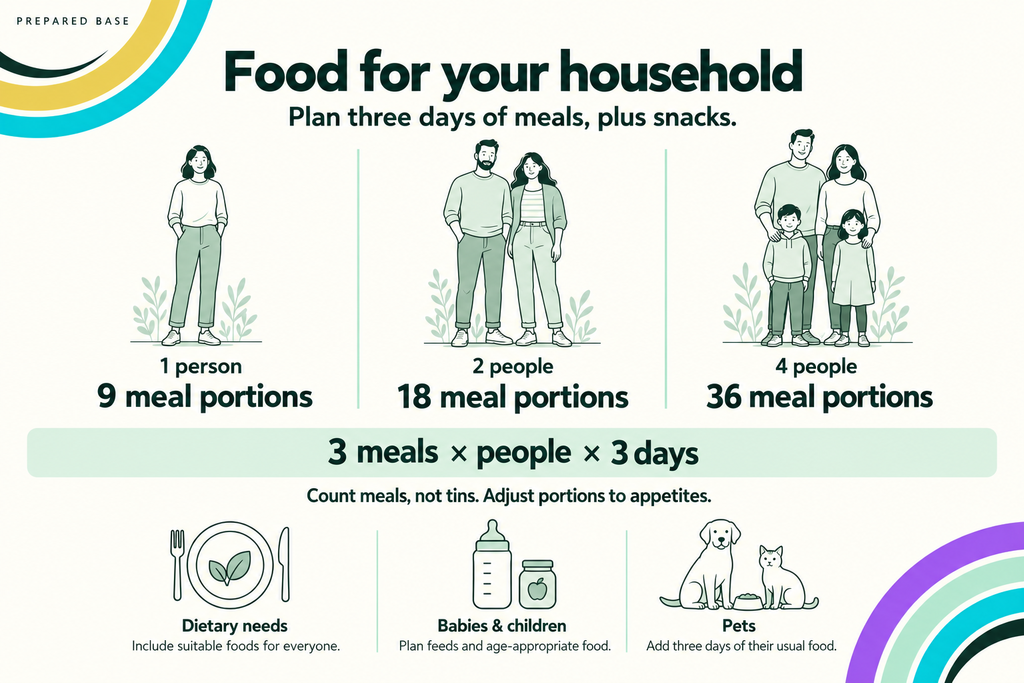
Write down three days of meals for everyone who would be at home.
If your household normally eats breakfast, lunch and dinner, the planning looks like this:
| Household size | Meal portions to plan for over three days |
|---|---|
| 1 person | 9 |
| 2 people | 18 |
| 4 people | 36 |
These are meal portions, not numbers of tins. A meal might need several ingredients, and one pack might serve more than one person. Add snacks and adjust quantities to normal appetites.
If you live alone, pay particular attention to opened food. Four servings in one tin are less useful if you can only safely use one.
For families, check what each person will eat. A child who refuses chickpeas on an ordinary Tuesday is unlikely to develop a sudden enthusiasm for them because the lights have gone out.
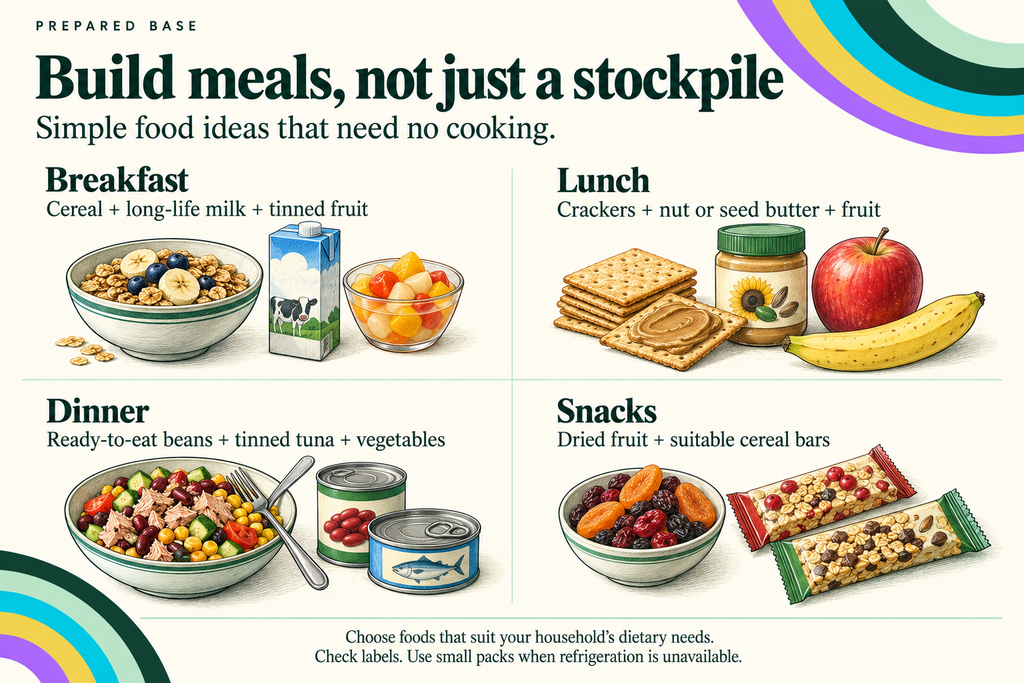
A simple day could include cereal with a small carton of long-life milk, crackers with a suitable spread and tinned fruit for lunch, then a ready-to-eat bean and tuna salad for dinner. Adjust the portions and ingredients to suit your household, with snacks alongside.
Try one of your planned meals before relying on it. You will quickly discover whether it is filling enough and whether anything is missing.
Account for diets, babies and pets
Keep suitable alternatives for anyone with allergies, coeliac disease, dietary restrictions or particular care needs. Check labels on the actual products you buy; a familiar-looking substitute may have different ingredients.
If someone follows a prescribed diet or needs food with a particular texture, plan around those requirements. Ask their healthcare team about suitable emergency options if needed.
For formula-fed babies, UK Prepare guidance recommends ready-to-feed formula because boiling water and sterilising equipment may be difficult during disruption. You still need a safe feeding plan and suitable clean, sterilised equipment. Follow the product instructions, including storage requirements after opening, and never dilute formula to make it last longer. UK Prepare guidance
Include age-appropriate food for children who have started solids.
Pets need their own supply of usual food and water. Check how much they eat each day and keep at least three days’ worth, including any prescribed diet. Smaller wet-food portions may be useful if opened packs cannot be refrigerated.
Remember what makes the food usable
A manual tin opener deserves a place beside the food. Make sure the people who may need it can use it comfortably; easy-open packaging may suit some households better.
Keep basic utensils and account for the water needed for food preparation and washing up.
Pasta, rice and meals that need hot water can supplement your reserve if you have a safe, dependable way to cook. Allow for the necessary water, fuel and equipment.
Never bring a barbecue or charcoal burner indoors. Outdoor cooking equipment must be used only where its instructions permit. Carbon monoxide can build up in enclosed spaces, and an open window does not make an outdoor appliance safe indoors. London Fire Brigade safety guidance
Keep the supply in use
Choose a dry cupboard away from heat and follow each product’s storage instructions. Put older items at the front and replace what you use.
Check dates when you put groceries away. Use-by dates concern safety; best-before dates concern quality. Food should not be eaten after its use-by date, even if it looks or smells fine. Government food-labelling guidance
You can build the reserve gradually. On your next shop, add the ingredients for one meal your household already likes. Then work towards a full day, followed by three.
Before long, you will have a cupboard you can open with a clear answer to a very ordinary question: “What are we going to eat?”