
WARMTH & SHELTER BASE
Keep the cold outside.
Build simple layers of warmth, shelter and weather protection so your household can stay comfortable and secure when heating fails or conditions change.
01
Layer
Keep body heat in when temperatures drop.
02
Insulate
Protect the rooms your household relies on most.
03
Shellter
Stay dry and protected if you need to move.
04
Check
Review seasonal kit before you need it.
Warmth & shelter: a practical guide
Stay warm. Stay protected.
A cold home can go from uncomfortable to serious faster than you might think. If heating or power fails, the priority is simple: keep people warm and create a safe, comfortable space to ride it out. From emergency heating and thermal layers to blankets, shelter and insulation, prepare your home for the moments when staying warm really matters.
A simple way to build your kit
1
Start with your household
Think about who you’re preparing for and what you use every day.
2
Check what you have
Use your existing supplies as a starting point. Fill the gaps that matter.
3
Build and review
Choose useful additions, keep them organised and revisit your plan.
The Prepared Index
Know where to start.
Six simple questions. A clearer view of your household’s next steps.
Warmth & Shelter kits
Start with a kit
Each kit groups the essentials and sizes them for your household. Add a whole kit to your basket, or adjust it for the people and days you are planning for.
Warmth & Shelter
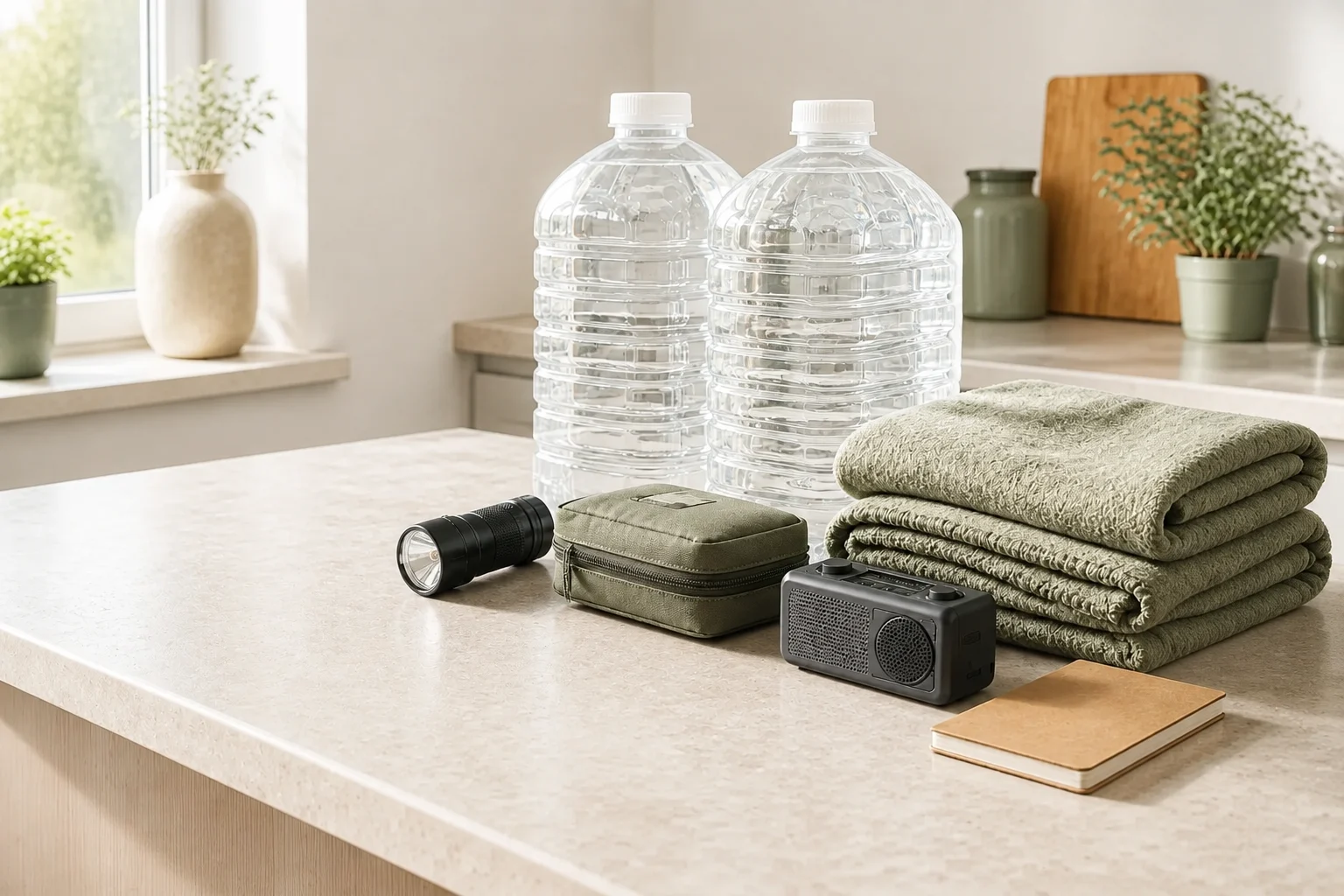
Warmth and shelter starter kit
10 items
- Bedsure sherpa fleece blanket, 150 x 200 cm
- Reusable waterproof poncho
- Vango Nitestar Alpha sleeping bag
- and 7 more items
Amazon links coming soon
Power cut
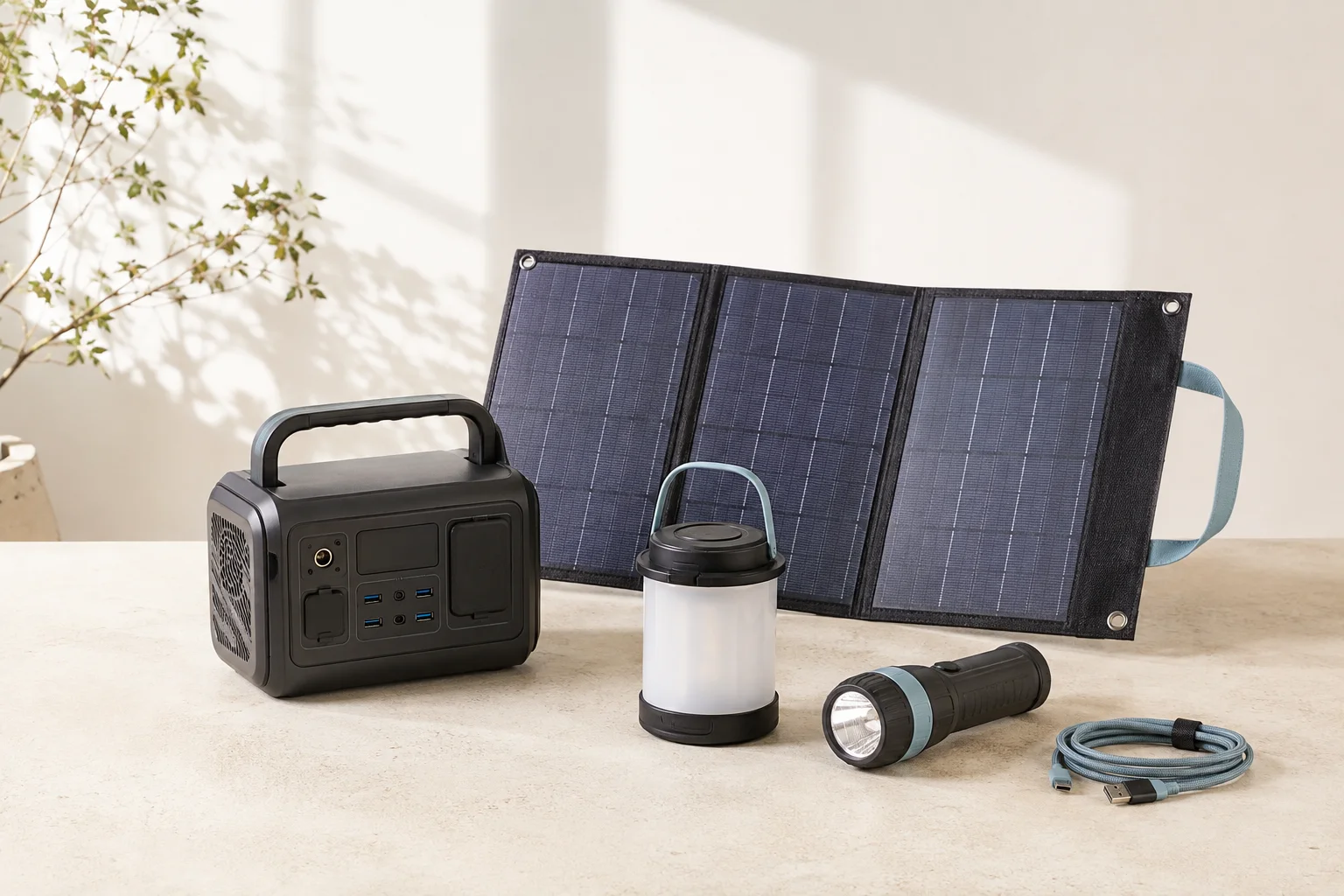
Power cut kit
31 items
- Food-safe water container with screw cap, 5 L
- yfood meal replacement drinks, taster pack of 5
- Wayfayrer ready-to-eat meal pouch, 300 g
- and 28 more items
Amazon links coming soon

Flood
Flood kit
25 items
- Still bottled water, 6 x 2 L
- Food-safe water container with screw cap, 5 L
- Nalgene wide-mouth water bottle, 1 L
- and 22 more items
Amazon links coming soon
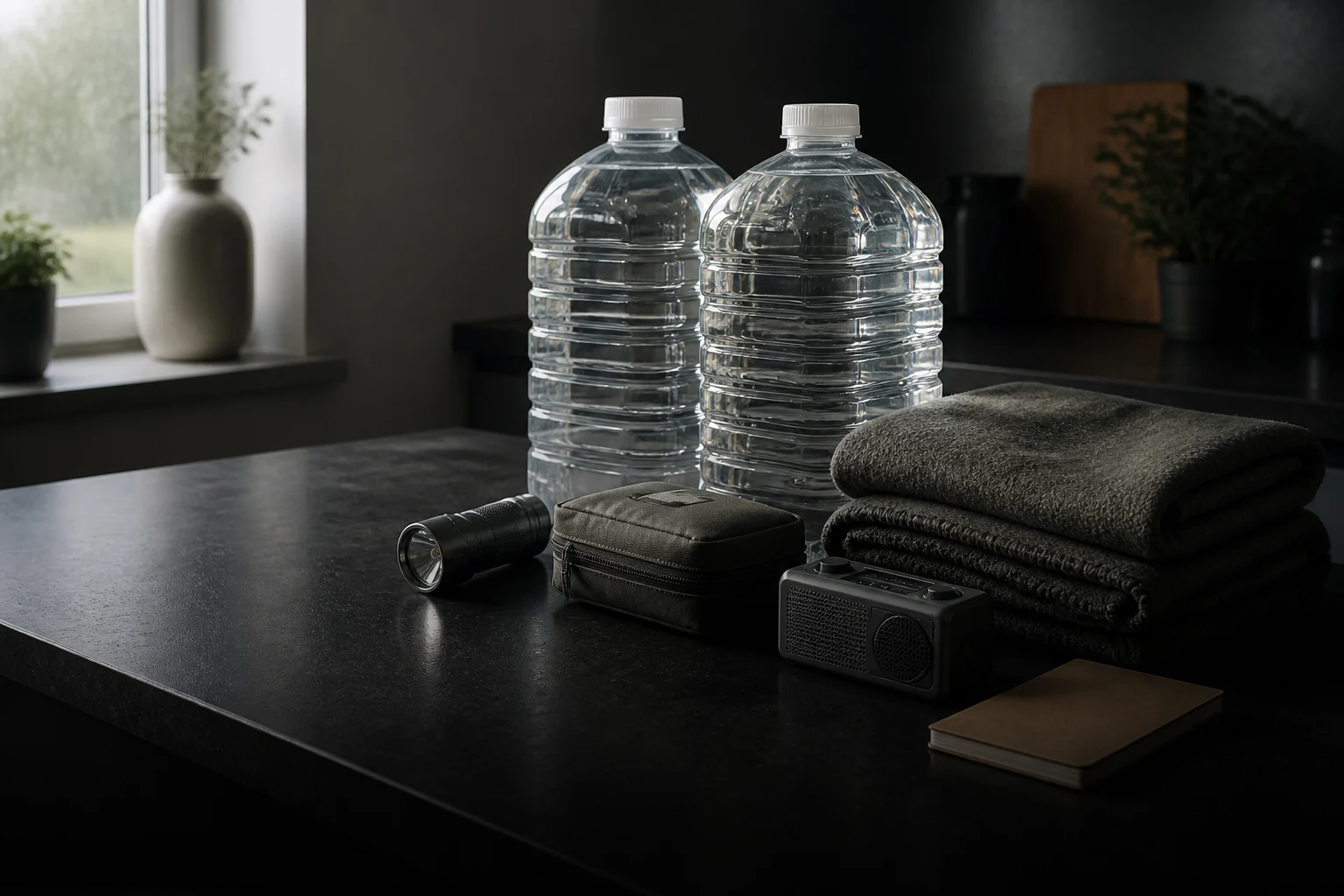
Storm / stay at home
Storm and stay at home kit
26 items
- yfood meal replacement drinks, taster pack of 5
- Wayfayrer ready-to-eat meal pouch, 300 g
- Nature Valley Protein bars, 26 x 40 g
- and 23 more items
Amazon links coming soon
Evacuation grab bag
Evacuation grab bag
28 items
- Waterproof rucksack, 80 L
- Nalgene wide-mouth water bottle, 1 L
- SWIFTER collapsible soft flasks, 2 x 500 ml
- and 25 more items
Amazon links coming soon
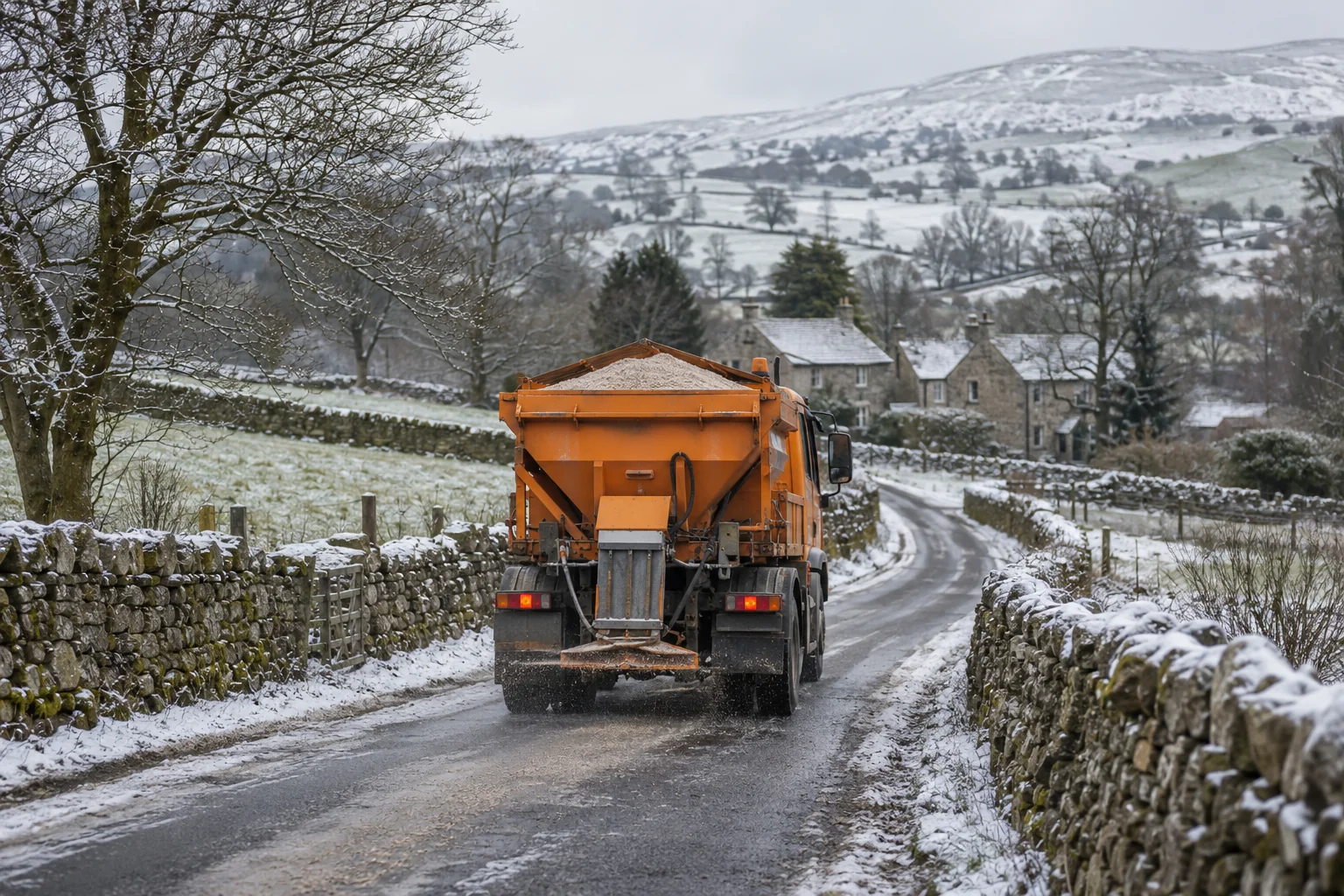
Cold snap / snowed in
Cold snap and snowed in kit
35 items
- Still bottled water, 6 x 2 L
- Food-safe water container with screw cap, 5 L
- Nalgene wide-mouth water bottle, 1 L
- and 32 more items
Amazon links coming soon
Car emergency
Car emergency kit
19 items
- Energizer Vision HD+ head torch
- Amazon Basics AA batteries, pack of 12
- Amazon Basics AAA batteries, pack of 12
- and 16 more items
Amazon links coming soon
Warmth & Shelter essentials
Or choose single items
Add only what you are missing. Prices and availability are set by Amazon and shown there before you buy.
Warmth & Shelter
DD Hammocks tarp, 3 x 3 m
A quick waterproof cover for shelter or a damaged roof or window.
Amazon link coming soon
Warmth & Shelter
Lifesystems survival shelter
Emergency shelter from wind and rain for a small group.
Amazon link coming soon
Warmth & Shelter
Therm-a-Rest Z-Lite SOL sleeping mat
Insulates you from a cold floor.
Amazon link coming soon
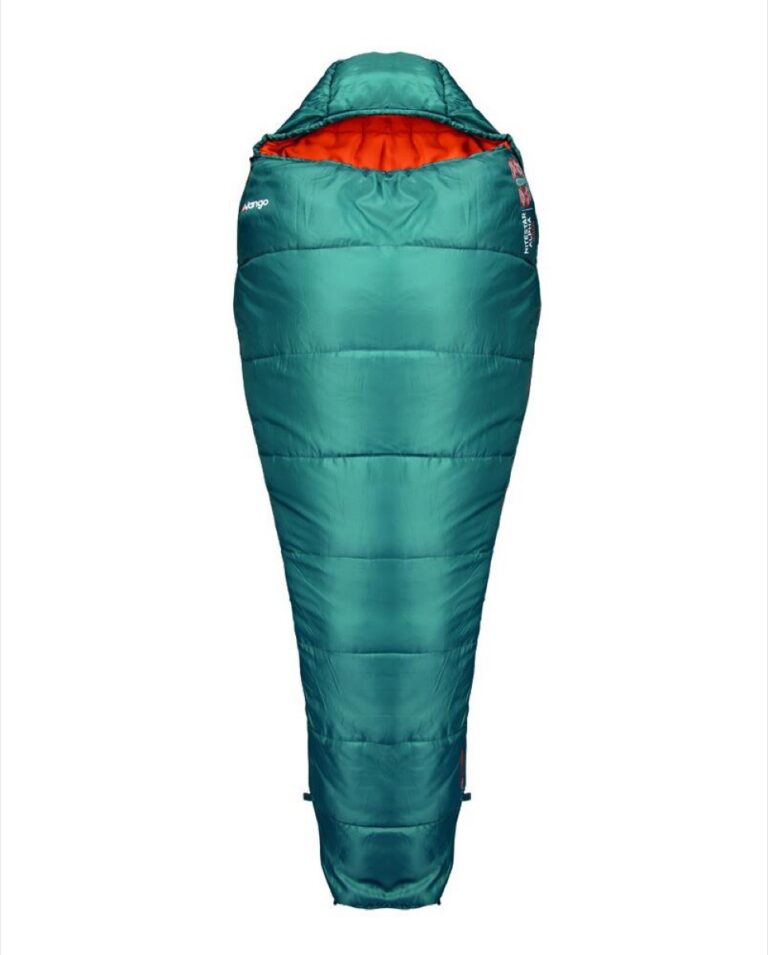
Warmth & Shelter
Vango Nitestar Alpha sleeping bag
A warm, light sleeping bag for a cold night or a night away.
Amazon link coming soon
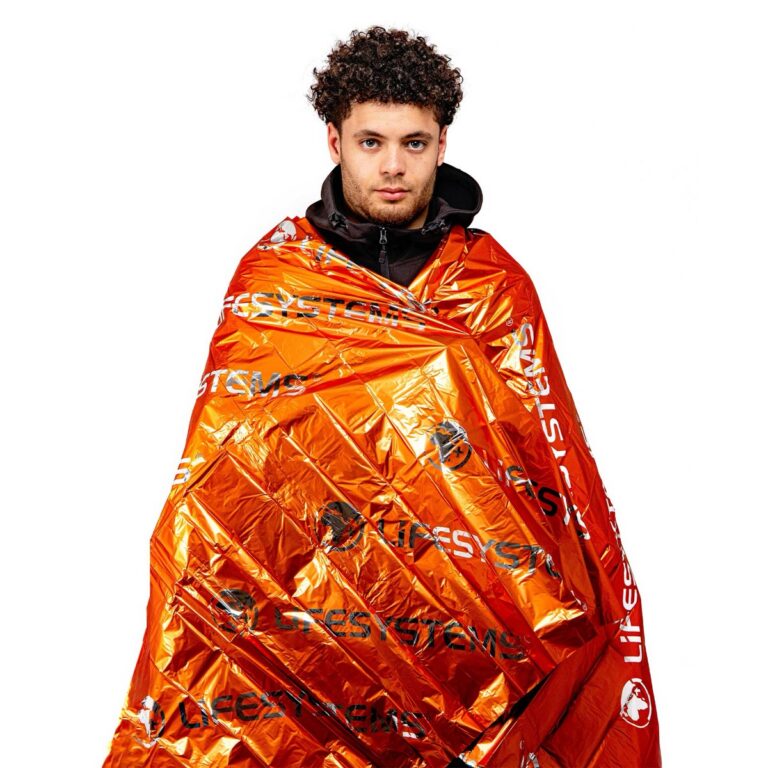
Warmth & Shelter
Lifesystems emergency foil blanket
Compact emergency warmth for a bag or car.
Amazon link coming soon
Warmth & Shelter
Bedsure sherpa fleece blanket, 150 x 200 cm
Warmth if the heating is off.
Amazon link coming soon
Warmth & Shelter
HotHands hand warmers, 5 pairs
Instant warmth with no power needed.
Amazon link coming soon
Warmth & Shelter
Reusable waterproof poncho
Stay dry if you need to go out or leave.
Amazon link coming soon
Warmth & Shelter
Lifesystems survival bag
A windproof, waterproof bag for anyone stranded outdoors.
Amazon link coming soon
Warmth & Shelter
Odlo Active Warm thermal base layer set
A warm layer under everyday clothes when the heating is off.
Amazon link coming soon
Warmth & Shelter
Fashy hot water bottle with fleece cover, 2 L
Long-lasting warmth from one kettle or stove boil.
Amazon link coming soon
Guides & knowledge
Practical advice for everyday readiness
-
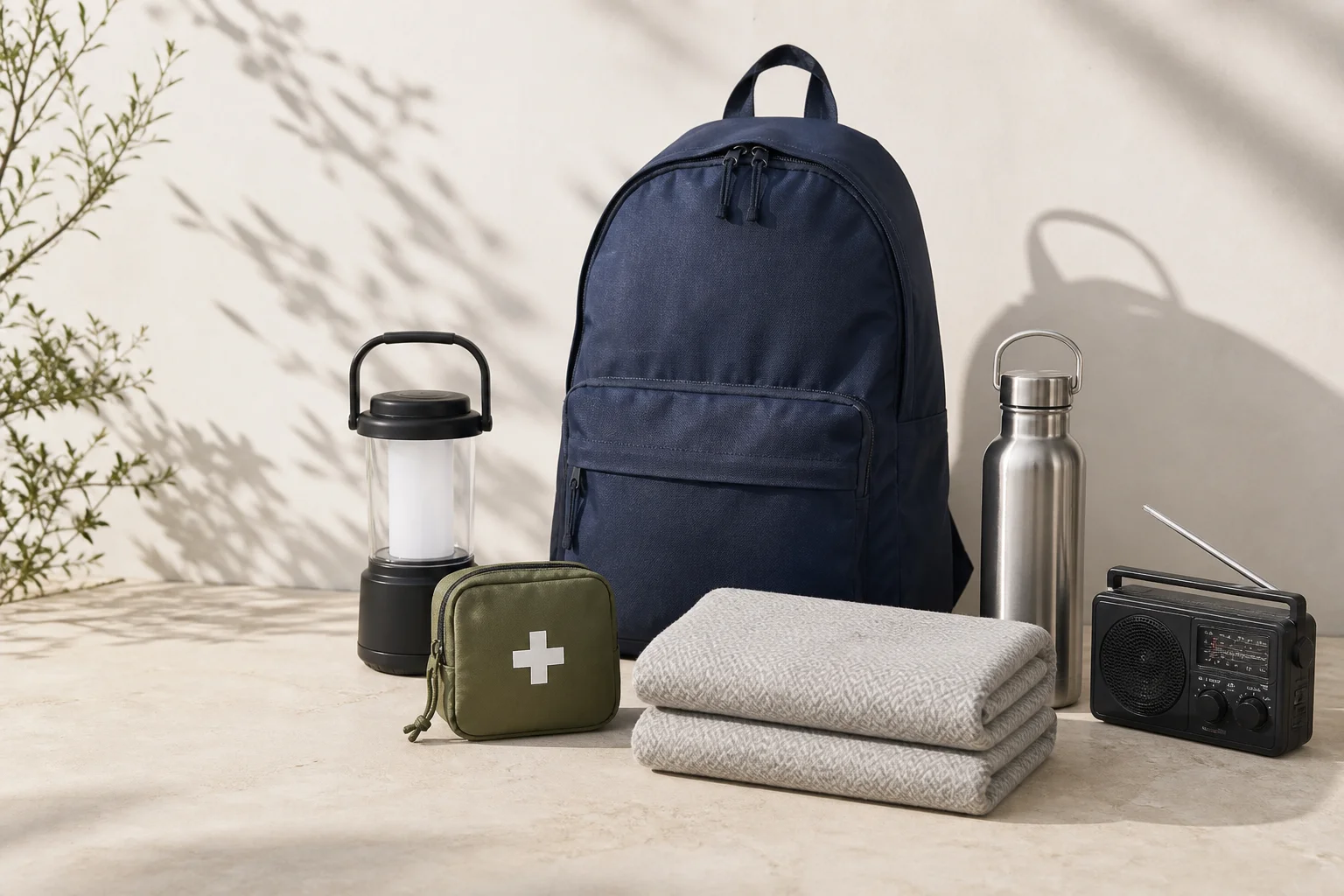
Start with what you already have
Readiness does not need a perfect kit or a weekend-long project. Begin with one everyday need and build from there.
-
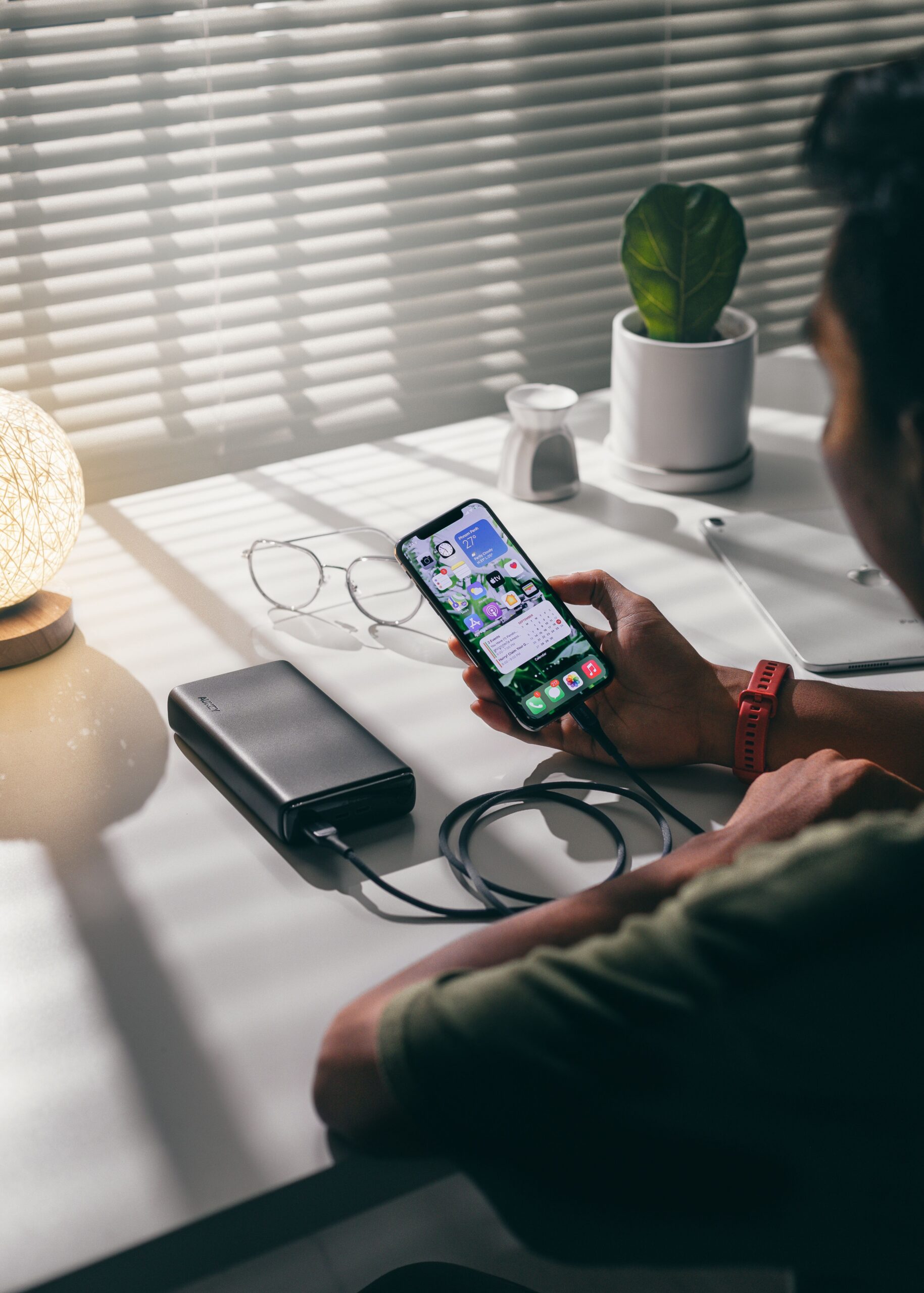
How to Build a 72-Hour Household Emergency Plan
You may know where the torch is. Does everyone else? And if the power goes out while you are away, would someone at home know who to call, where the supplies are and what to…
-
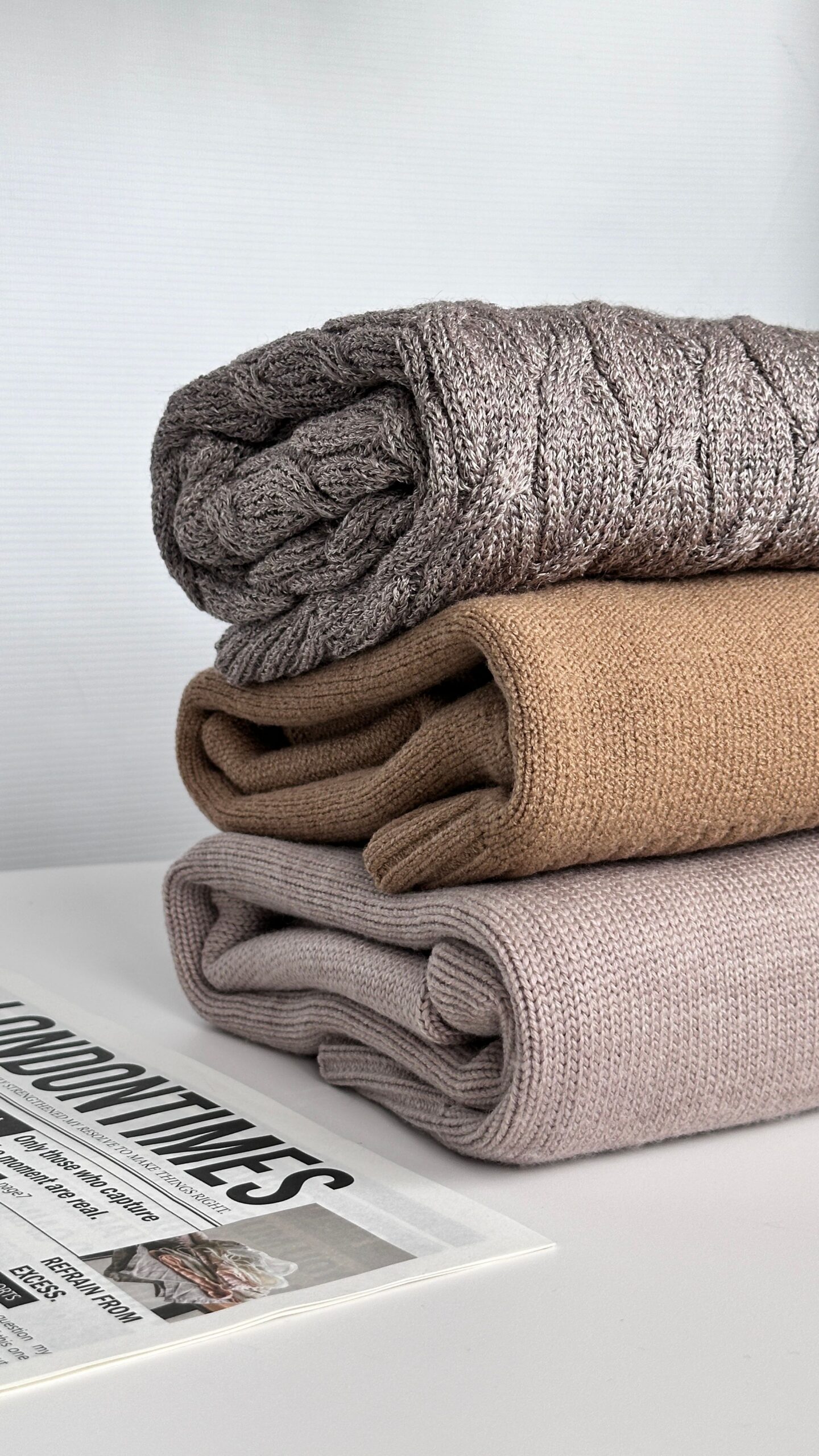
How to Stay Warm at Home When the Heating Stops
You notice it first in your feet. Then someone puts a jumper on, checks the thermostat and asks whether the radiators are working. A heating failure on a mild afternoon is inconvenient. During a winter…
-
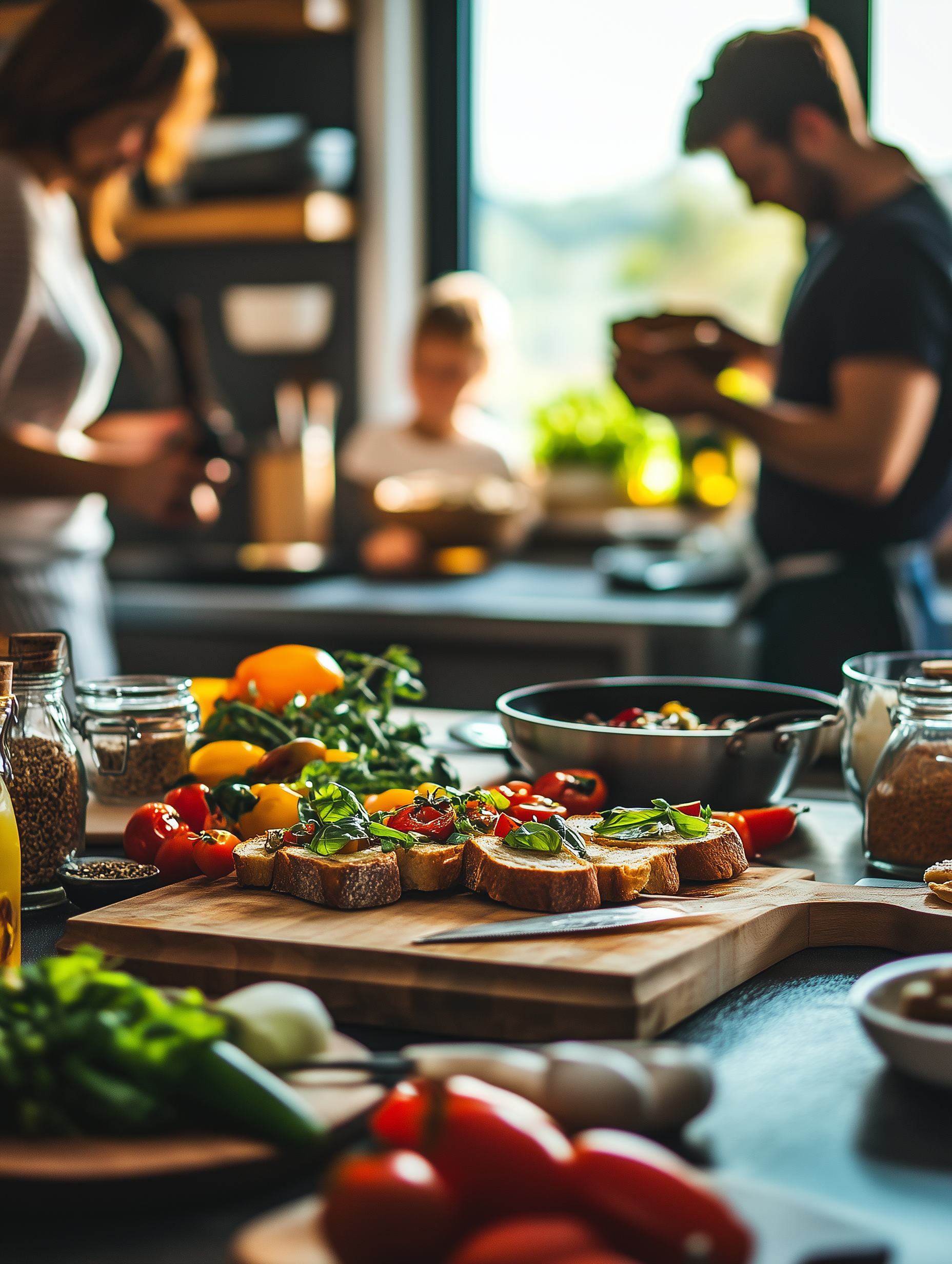
What Food Should You Keep for a 3-day Emergency?
The kitchen cupboard can look reassuringly full until you realise how much of it needs boiling water, an oven or a working microwave. A bag of pasta will provide plenty of meals. Getting it onto…
A few small steps.
A stronger starting point.
Use this as a starting point for your own plan. Adapt it to your household and follow the guidance for your area.
Your ticks last for this visit. Use the full guidance to build your plan.
Read the UK Prepare guideWarmth & Shelter Frequently Asked Questions
Where should I start with warmth and shelter preparedness?
Start with the assumption that your home remains your primary shelter but normal heating may stop. Build one “warm-room” plan: choose a room you can close off, keep warm layers, blankets or sleeping bags there, add battery lighting, and have simple draught-control materials ready.
For cold weather, aim to keep the rooms you regularly use at around 18°C if you can, especially for older people, anyone with reduced mobility or people with heart or lung conditions. If the whole house cannot be heated, concentrate people and resources in one room.
Then add a basic repair layer: tarpaulin, strong tape, cord, work gloves and hand tools for temporary damage control. Finally, have a grab bag and evacuation plan in case the property itself becomes unsafe.
How can I stay warm during a winter power cut?
Create one warm zone rather than trying to maintain the whole house. Close internal doors, shut curtains at dusk, reduce obvious draughts and bring everyone’s bedding and warm clothing into the chosen room.
Wear several thin layers rather than relying on one bulky garment, including warm socks and a hat. If you can maintain heat, NHS and Met Office guidance recommends around 18°C in rooms you regularly use, particularly for older people, those with reduced mobility and people with relevant health conditions.
Eat and drink regularly and keep reasonably active if safe. Never use a hob, oven, barbecue or camping stove to heat the room. If anyone becomes unusually confused, very drowsy, clumsy or difficult to wake in severe cold, seek urgent medical help — cold exposure can become a medical emergency.
Is it safe to use a camping stove or barbecue for heat indoors?
No. Never use a barbecue, camping stove or other outdoor fuel-burning appliance to heat an indoor room, garage, tent, conservatory or other enclosed space. These products can generate carbon monoxide, an odourless gas that can kill, as well as creating a major fire risk.
The same principle applies to using a gas hob or oven as a room heater. Use heating equipment only for the purpose and environment specified by the manufacturer.
For a power-cut plan, prioritise insulation over improvised combustion: warm layers, sleeping bags, blankets, closed doors, curtains and one occupied room. If you have an approved alternative heater, follow its ventilation and clearance requirements exactly and ensure appropriate smoke and carbon-monoxide alarms are working.
What is the best way to reduce heat loss from a room?
Stop heat escaping before trying to create more heat. Close internal doors to unused rooms, draw curtains at dusk, fit or improvise draught excluders around doors and avoid leaving external doors open unnecessarily.
Move people into one smaller room and bring in rugs, blankets and bedding. Do not block permanent ventilation required by fuel-burning appliances. If mains heating is available, aim for around 18°C in rooms you use regularly, particularly where vulnerable people are present.
For longer-term resilience, the biggest gains come from proper loft/wall insulation and well-sealed doors and windows. During a short outage, though, the immediate objective is simple: reduce the volume of space you are trying to keep comfortable and reduce the rate at which existing heat escapes.
Do emergency blankets actually work?
Yes, but understand what they are good at. Foil emergency blankets are excellent because they are tiny, cheap and wind-resistant, and they can reduce heat loss by reflecting radiant heat and limiting airflow.
They are not a replacement for a proper blanket, warm clothing or sleeping bag. In cold conditions, use them as an additional outer layer over dry insulating clothing or bedding rather than assuming the foil itself provides thick insulation. They can also trap condensation, so check the person remains dry.
They are particularly useful in cars, day bags and grab bags where space matters. For sleeping at home through a winter heating failure, a decent sleeping bag or duvet is vastly more comfortable and should do most of the insulating work.
Should I keep a sleeping bag at home even if I never camp?
Yes. Even if you never camp, a sleeping bag is one of the most useful pieces of backup warmth you can own. It concentrates insulation around one person, works without electricity and can be moved easily to whichever room is warmest.
Choose by the manufacturer’s comfort rating, not the much lower “extreme” survival rating. The comfort rating should be below the coldest indoor temperature you realistically expect to face. Children need appropriately sized equipment rather than simply disappearing into an oversized adult bag.
For a household, one suitable sleeping bag per person creates a reliable overnight layer even if the central heating is unavailable. Store them dry and uncompressed where possible, and test them before winter so you know everyone can get warm comfortably.
How should I prepare for flooding or heavy rain?
First, check whether your property is at risk and sign up for official flood warnings if relevant. Keep important documents, medicines, chargers and irreplaceable items in waterproof containers above likely flood level, not on a garage or basement floor.
Know how to turn off water, gas and electricity. If flooding is imminent, turn supplies off only if it is safe to do so; never touch an electrical switch while standing in water. Move people, pets and valuables to higher ground and follow emergency-service instructions.
Do not drive or walk into moving floodwater simply because it looks shallow. For the property itself, consider suitable flood barriers, non-return valves or air-brick covers if your risk justifies them. A written flood plan is far more useful than trying to invent one as water approaches the door.
What should I keep in the car for cold-weather emergencies?
Use the car as a small independent shelter kit. UK Government preparedness guidance suggests keeping items such as a torch, in-car phone charger, warm clothes and blankets, high-visibility clothing, jump leads, food and drink, and a shovel for snow.
Add a basic first-aid kit and footwear suitable for walking if the car becomes stranded. In colder months, keep a hat and gloves in the vehicle rather than assuming you will be wearing them on every journey.
Do not rely on running the engine indefinitely for warmth, especially where exhaust could be obstructed or the vehicle is in an enclosed area. Before longer winter journeys, check weather warnings, fuel/charge level and tell someone your route if conditions are poor.
Do I need a tent as part of home preparedness?
For most UK households, no — a tent is not a first-priority home preparedness purchase. If your home is structurally safe, proper bedding, warm clothing, lighting, water, food and basic repair materials will usually be more useful.
A compact tarp is often a more versatile emergency item because it can provide temporary weather protection, cover damaged property or supplement a shelter without taking much space.
A tent becomes more relevant if you regularly travel in remote areas, camp, keep a vehicle-based emergency setup or have a realistic evacuation scenario where formal shelter may not be immediately available. Buy it for a defined use case, not because “survival kit” lists say every household needs one.