
communication & safety base
Make a plan to stay in touch
Keep useful contact details together and consider how you would receive updates and check in with the people around you.
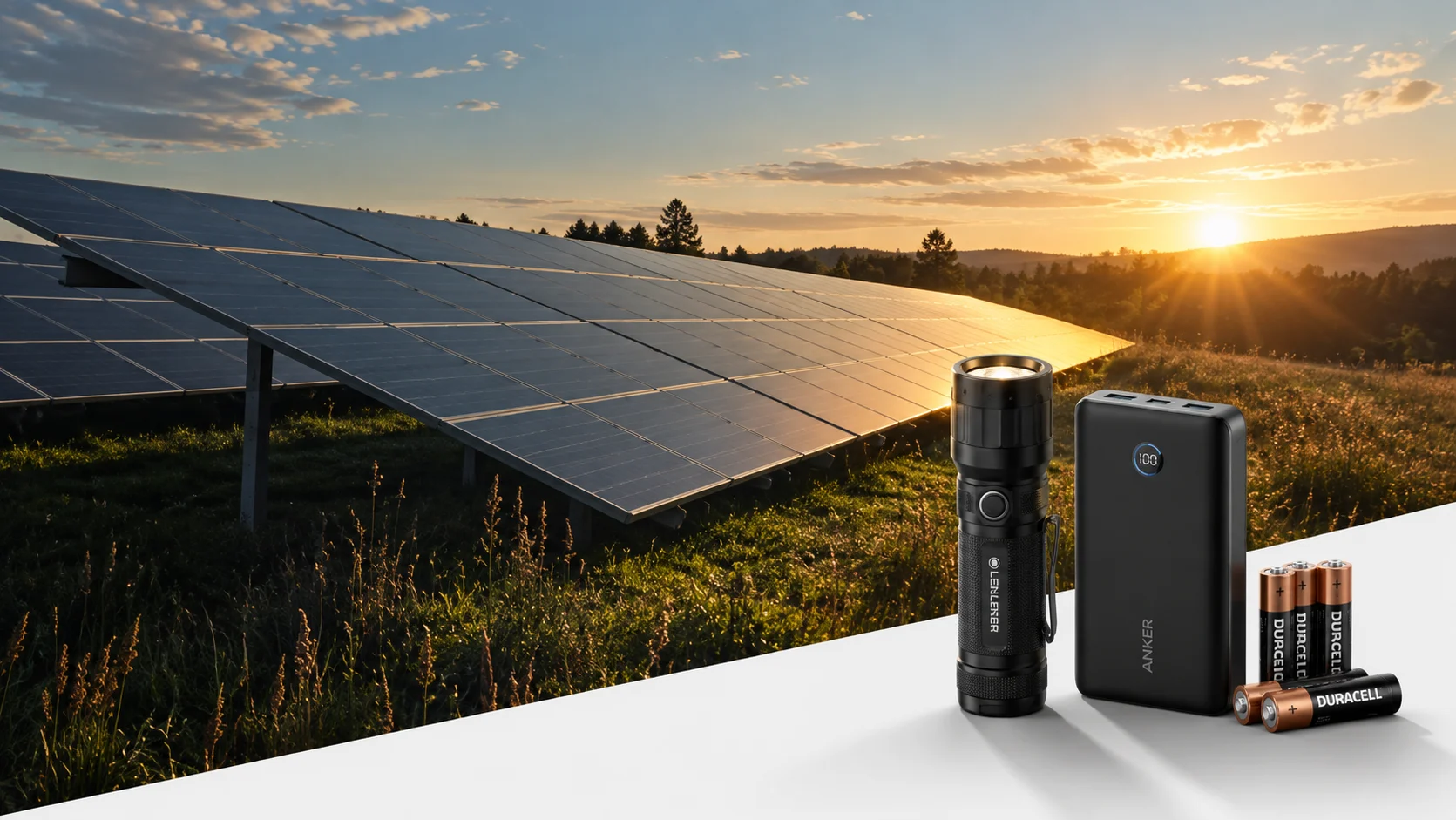
01
Light
Find your way when the lights go out.
02
Charge
Keep everyday devices in mind.
03
Connect
Plan how you’ll receive updates.
04
Review
Check your kit before you need it.
Communication & safety preparedness
Stay connected. Stay aware.
When something goes wrong, information matters. Knowing what’s happening, being able to contact the people you care about and having reliable ways to call for help can completely change how you handle an emergency. From radios and backup communication to signalling and safety equipment, build the tools that help you stay informed, connected and ready to respond.

The Prepared Index
Know where to start.
Six simple questions. A clearer view of your household’s next steps.
Communication & Safety kits
Start with a kit
Each kit groups the essentials and sizes them for your household. Add a whole kit to your basket, or adjust it for the people and days you are planning for.
Communication & Safety
Communication and safety starter kit
13 items
- Panasonic RF-2400 battery radio
- Amazon Basics AA batteries, pack of 12
- Lifesystems emergency whistle
- and 10 more items
Amazon links coming soon
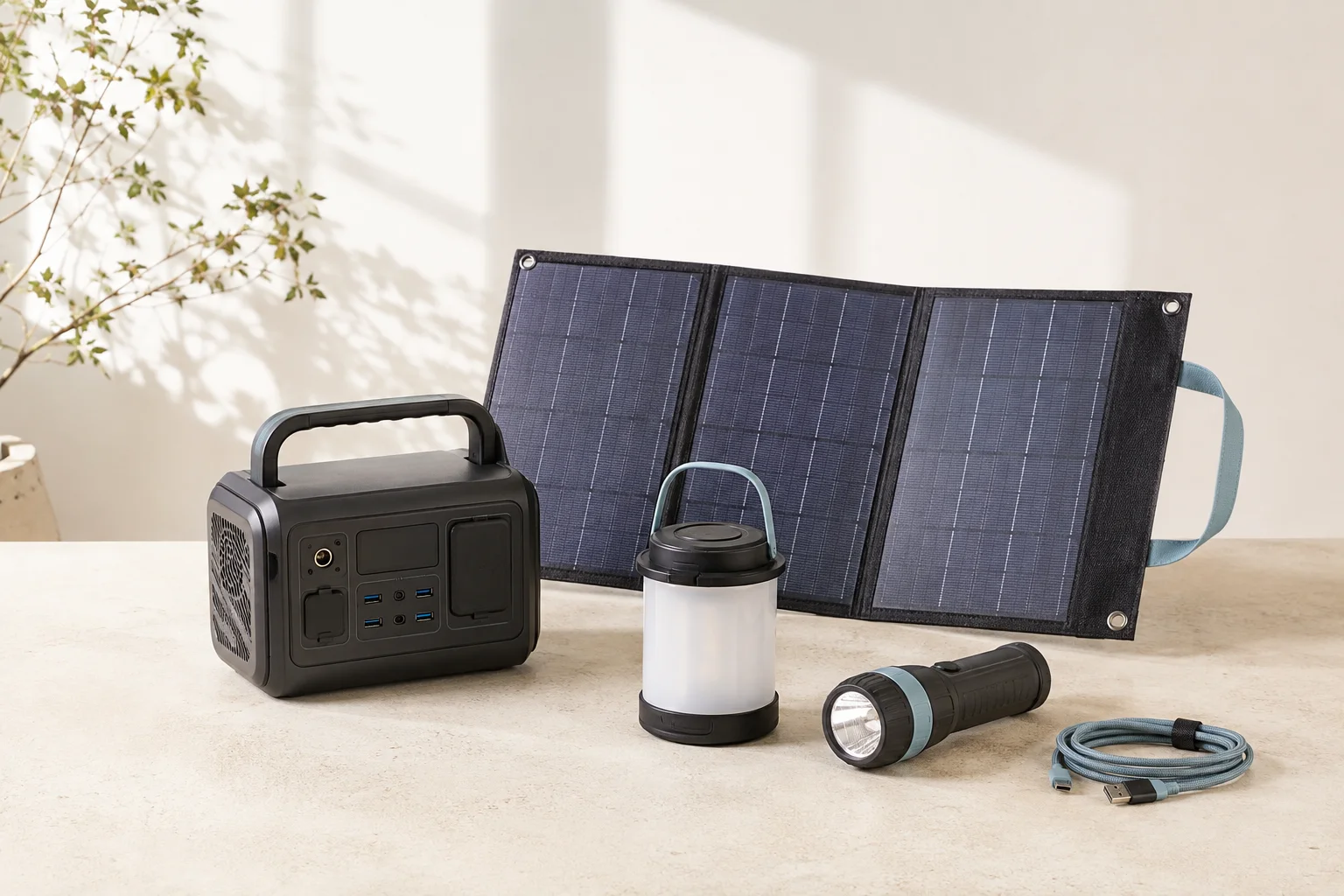
Power cut
Power cut kit
31 items
- Food-safe water container with screw cap, 5 L
- yfood meal replacement drinks, taster pack of 5
- Wayfayrer ready-to-eat meal pouch, 300 g
- and 28 more items
Amazon links coming soon

Flood
Flood kit
25 items
- Still bottled water, 6 x 2 L
- Food-safe water container with screw cap, 5 L
- Nalgene wide-mouth water bottle, 1 L
- and 22 more items
Amazon links coming soon

Storm / stay at home
Storm and stay at home kit
26 items
- yfood meal replacement drinks, taster pack of 5
- Wayfayrer ready-to-eat meal pouch, 300 g
- Nature Valley Protein bars, 26 x 40 g
- and 23 more items
Amazon links coming soon
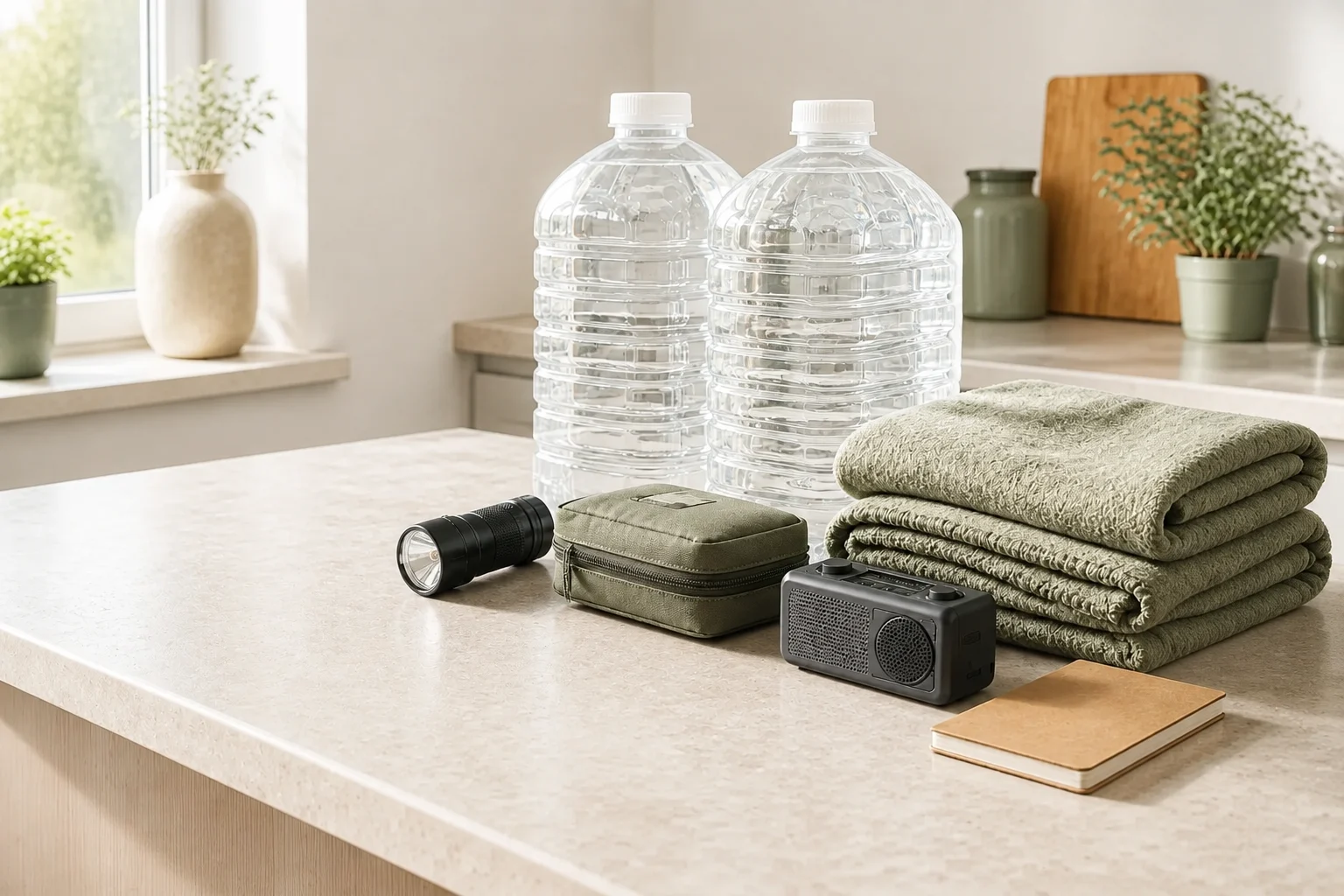
Evacuation grab bag
Evacuation grab bag
28 items
- Waterproof rucksack, 80 L
- Nalgene wide-mouth water bottle, 1 L
- SWIFTER collapsible soft flasks, 2 x 500 ml
- and 25 more items
Amazon links coming soon
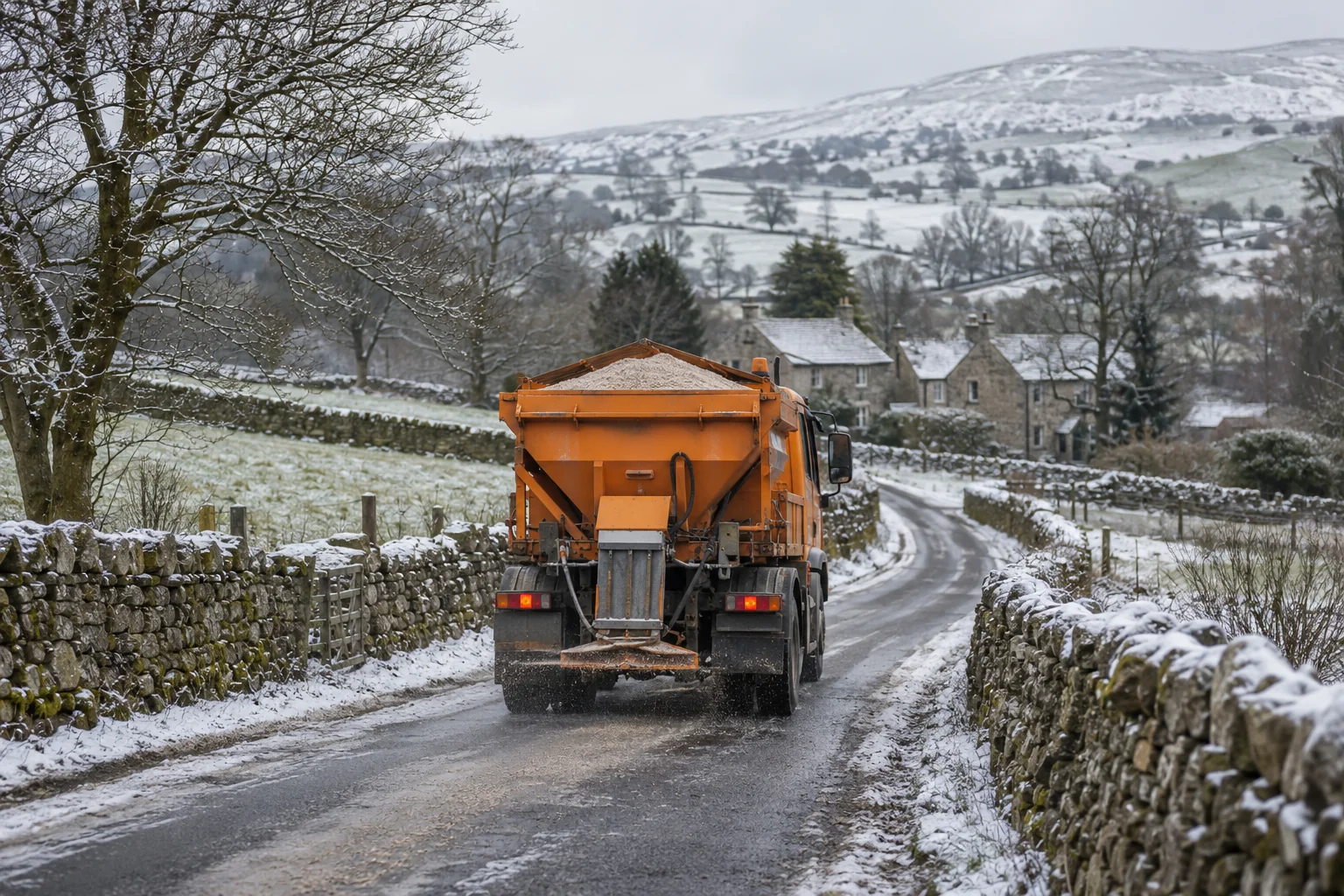
Cold snap / snowed in
Cold snap and snowed in kit
35 items
- Still bottled water, 6 x 2 L
- Food-safe water container with screw cap, 5 L
- Nalgene wide-mouth water bottle, 1 L
- and 32 more items
Amazon links coming soon
Car emergency
Car emergency kit
19 items
- Energizer Vision HD+ head torch
- Amazon Basics AA batteries, pack of 12
- Amazon Basics AAA batteries, pack of 12
- and 16 more items
Amazon links coming soon
Communication & Safety essentials
Or choose single items
Add only what you are missing. Prices and availability are set by Amazon and shown there before you buy.
Communication & Safety
Amazon Basics retractable gel pens
Something to write with, kept with the notebook.
Amazon link coming soon
Communication & Safety
Collins road map of Britain
A folded map for when phones or signal fail.
Amazon link coming soon
Communication & Safety
Draper folding steel shovel
A compact shovel for the car boot.
Amazon link coming soon
Communication & Safety
Duck Tape, black, 48 mm x 18 m
Quick repairs to windows, tarps and kit.
Amazon link coming soon
Communication & Safety
Extendable ice scraper and snow brush
Clears snow and ice from the car.
Amazon link coming soon
Communication & Safety
Garmin inReach Mini 2 satellite messenger
Messages and SOS by satellite. Needs a subscription.
Amazon link coming soon
Communication & Safety
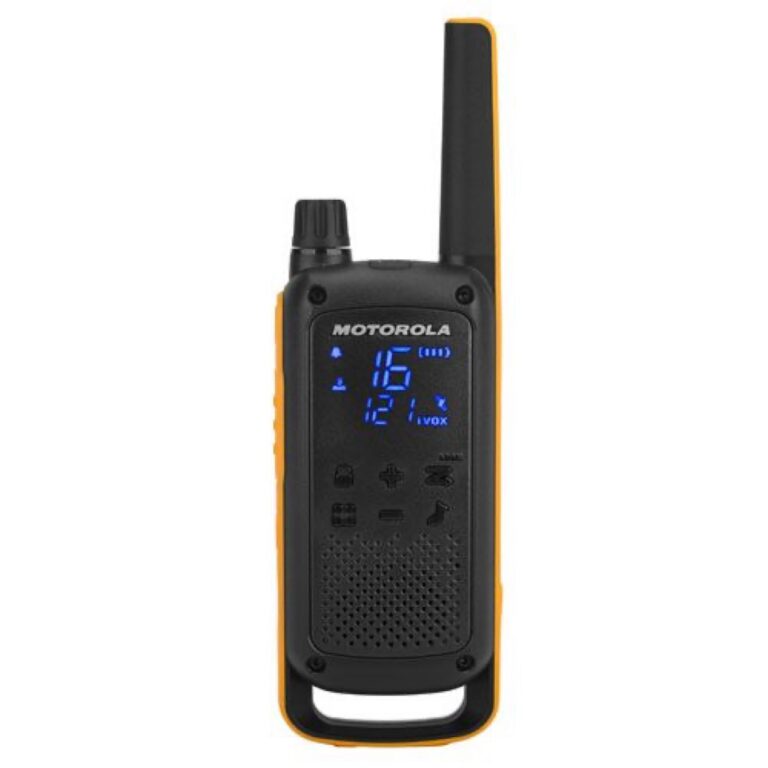
Motorola Talkabout T82 Extreme two-way radios
Stay in touch nearby without a phone signal.
Amazon link coming soon
Communication & Safety
Ocean Signal rescueME PLB1 personal locator beacon
Calls rescue services by satellite. Must be registered.
Amazon link coming soon
Communication & Safety
Philip’s easy to read road atlas of Britain
A clear road atlas to keep in the car.
Amazon link coming soon
Communication & Safety
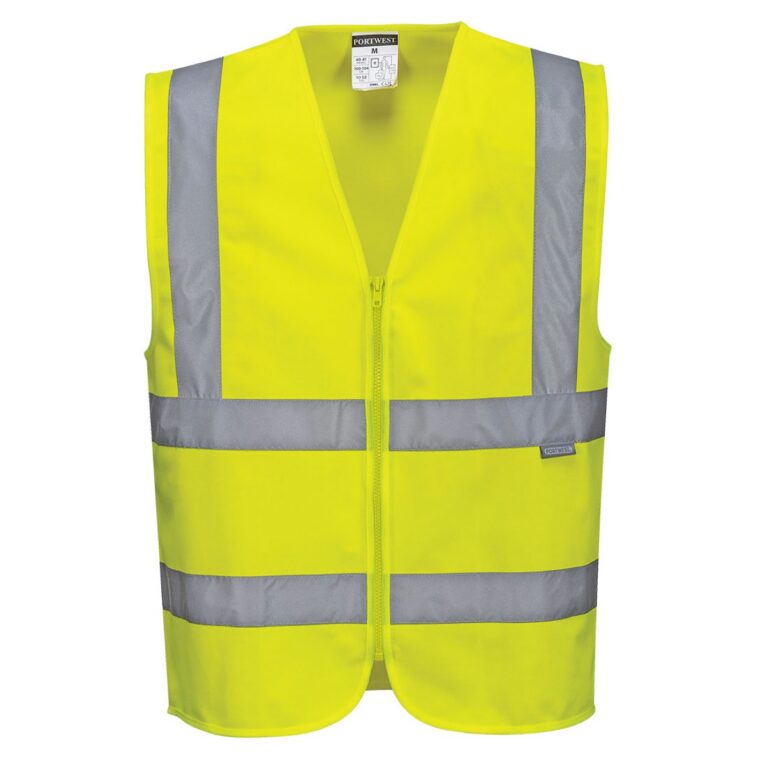
Portwest hi-vis vest
Makes you visible at the roadside or in the dark.
Amazon link coming soon
Communication & Safety
Prestone de-icer spray, 600 ml
Clears frozen windscreens quickly.
Amazon link coming soon
Communication & Safety
Silva Ranger compass
Find your way without a phone.
Amazon link coming soon
Communication & Safety
Xiaomi portable tyre inflator
Pumps up a soft tyre from its own battery.
Amazon link coming soon
Communication & Safety
Panasonic RF-2400 battery radio
Local news and updates without mains power or mobile data.
Amazon link coming soon
Communication & Safety
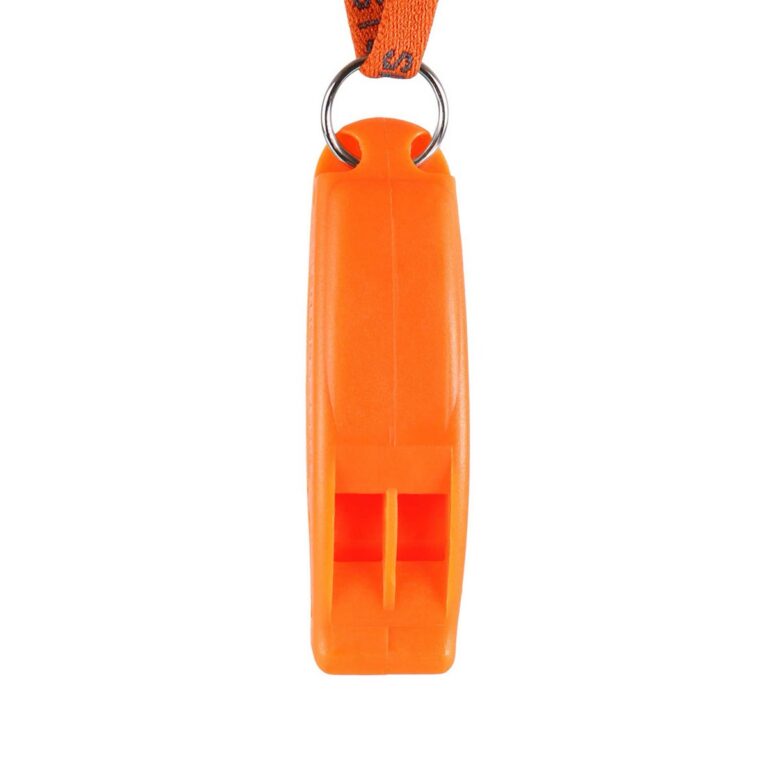
Lifesystems emergency whistle
Attracts attention if you need help.
Amazon link coming soon
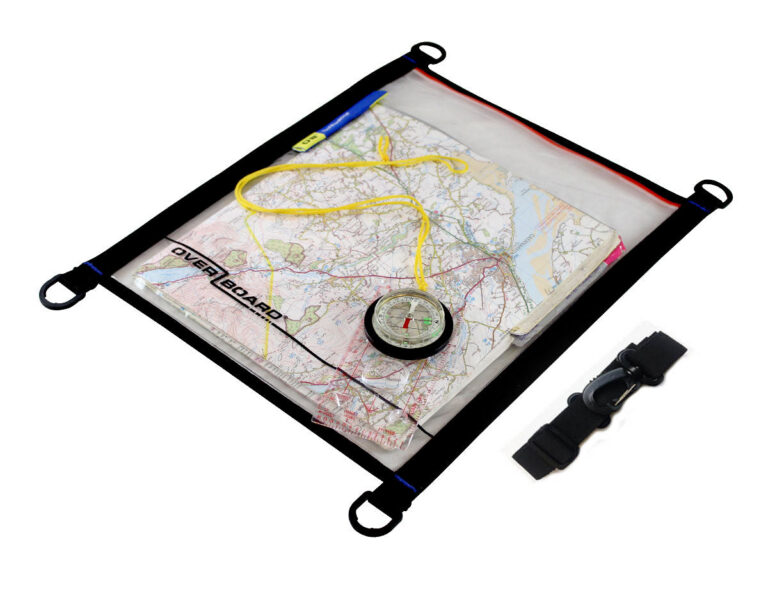
Communication & Safety
OverBoard waterproof document pouch
Keeps important papers and contact numbers dry.
Amazon link coming soon
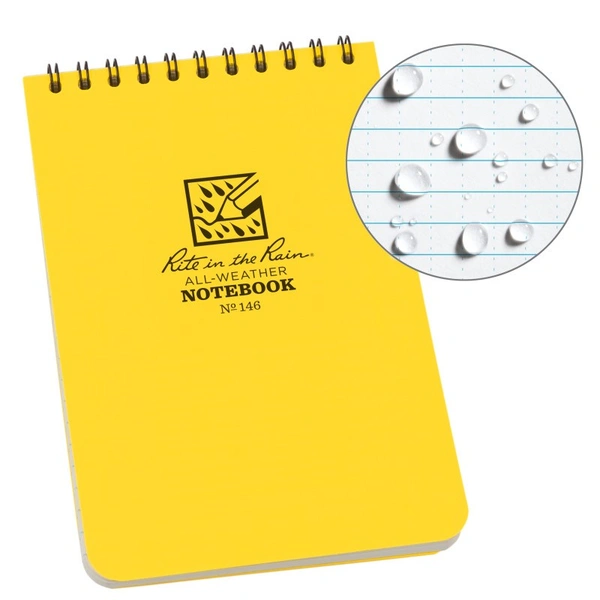
Communication & Safety
Rite in the Rain waterproof notebook
For messages and plans when screens are off.
Amazon link coming soon

Communication & Safety
Sea to Summit dry bag, 20 L
Keeps medicines, chargers and spare clothes dry.
Amazon link coming soon
Communication & Safety
Waterproof rucksack, 80 L
A large bag to keep the kit together and ready by the door.
Amazon link coming soon
Communication & Safety
Fiskars telescopic car snow shovel
Digs the car or path out of snow.
Amazon link coming soon
A useful next step
Build at your own pace.
Use this section to highlight one important message and a clear next action.
Guides & knowledge
Practical advice for everyday readiness
-
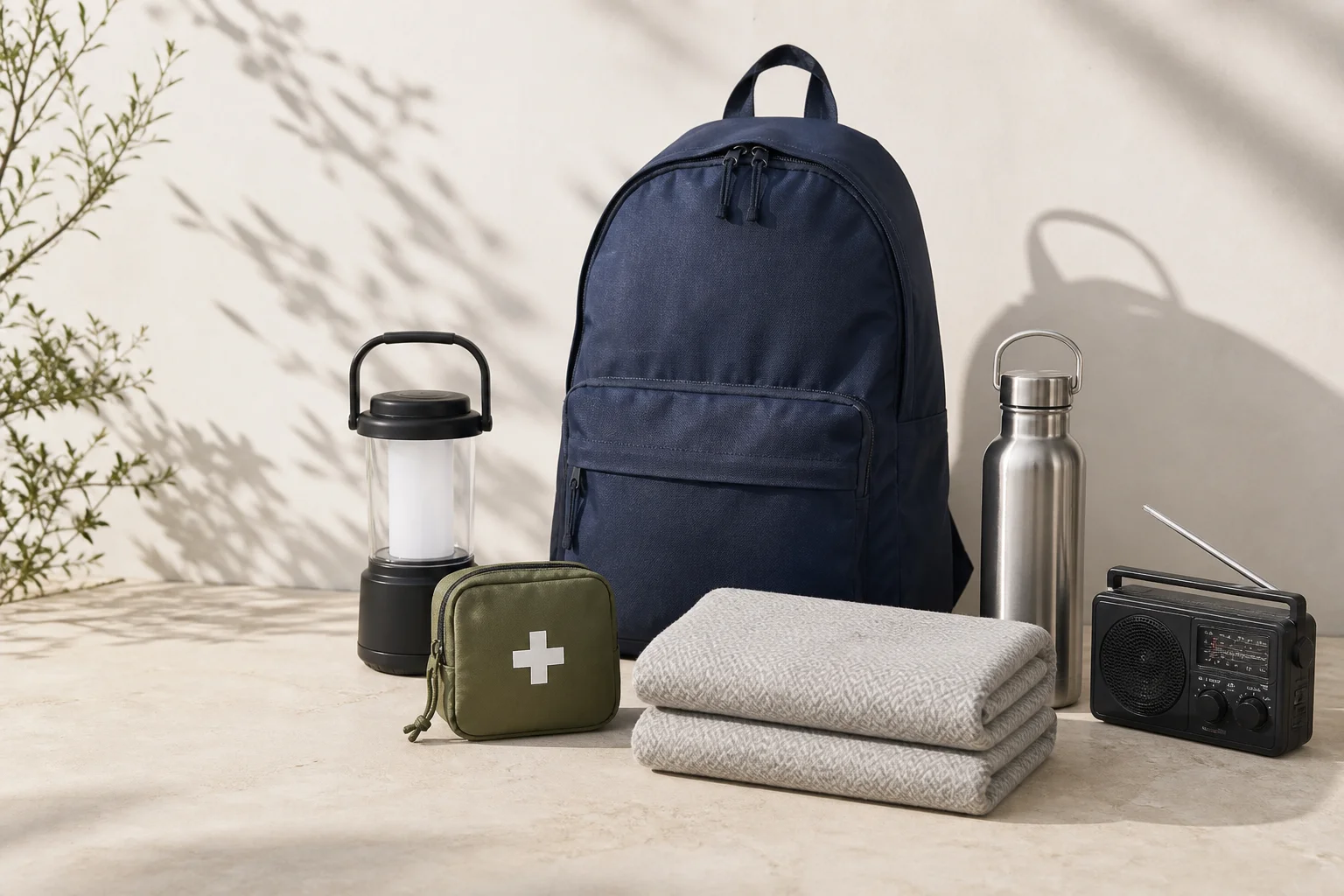
Start with what you already have
Readiness does not need a perfect kit or a weekend-long project. Begin with one everyday need and build from there.
-
How to Build a 72-Hour Household Emergency Plan
You may know where the torch is. Does everyone else? And if the power goes out while you are away, would someone at home know who to call, where the supplies are and what to…
-

How to Stay Warm at Home When the Heating Stops
You notice it first in your feet. Then someone puts a jumper on, checks the thermostat and asks whether the radiators are working. A heating failure on a mild afternoon is inconvenient. During a winter…
-

What Food Should You Keep for a 3-day Emergency?
The kitchen cupboard can look reassuringly full until you realise how much of it needs boiling water, an oven or a working microwave. A bag of pasta will provide plenty of meals. Getting it onto…
Know what’s happening.
Know your next move.
When communication breaks down, a clear plan matters. These five steps will help you stay informed, reconnect with others and get help.
Your ticks last for this visit. Use the full guidance to build your plan.
Read the UK Prepare guideCommunication & Safety Frequently Asked Questions
Where should I start with emergency communication and home safety?
Start with four things you can set up in under an hour: a charged power bank, a battery or wind-up radio, a printed contact sheet and two agreed family meeting points.
Write down 999, NHS 111, 105 for power cuts in Great Britain, your water supplier, gas emergency number, insurer, close family and any essential medical contacts. Add the frequencies or names of the radio stations you would use for official updates. Keep the sheet with your radio and torch where you can find it in the dark.
Then agree one meeting point close to home and a second outside the immediate area in case you cannot return. Phones are your first line of communication, but the plan should still work if mobile data, broadband or charging becomes unreliable.
Will my mobile phone still work during a power cut?
Usually, at least initially — but do not assume it will work indefinitely. Mobile network sites have backup arrangements, but a widespread or prolonged outage can affect both coverage and capacity. The UK Government’s Prepare guidance specifically warns that you may lose internet and possibly mobile signal during a power cut.
Keep your phone charged, use low-power mode and have a power bank ready. If the network is congested, text messages may be more practical than repeatedly making non-urgent calls.
For a 999 call, your phone can use another available mobile network even if your normal network has no signal. That still depends on a usable network being available, so keep a battery/wind-up radio and an offline household plan as additional layers.
Why should I have a battery or hand-crank radio?
Because radio can keep giving you information when broadband, Wi-Fi and mobile data are unavailable. The UK Government recommends a battery or wind-up radio for power cuts and suggests writing down the frequencies of local and national stations you use for news updates.
Choose a radio that can run without mains electricity and keep spare batteries with it if required. Test reception in your home now rather than discovering during an outage that your chosen location gets no useful signal.
Store the radio, batteries, torch and printed emergency contacts together. A car radio is another fallback, but during severe weather it may be safer to remain inside. The purpose is simple: maintain access to official information even when your usual digital channels disappear.
Are walkie-talkies useful for a household?
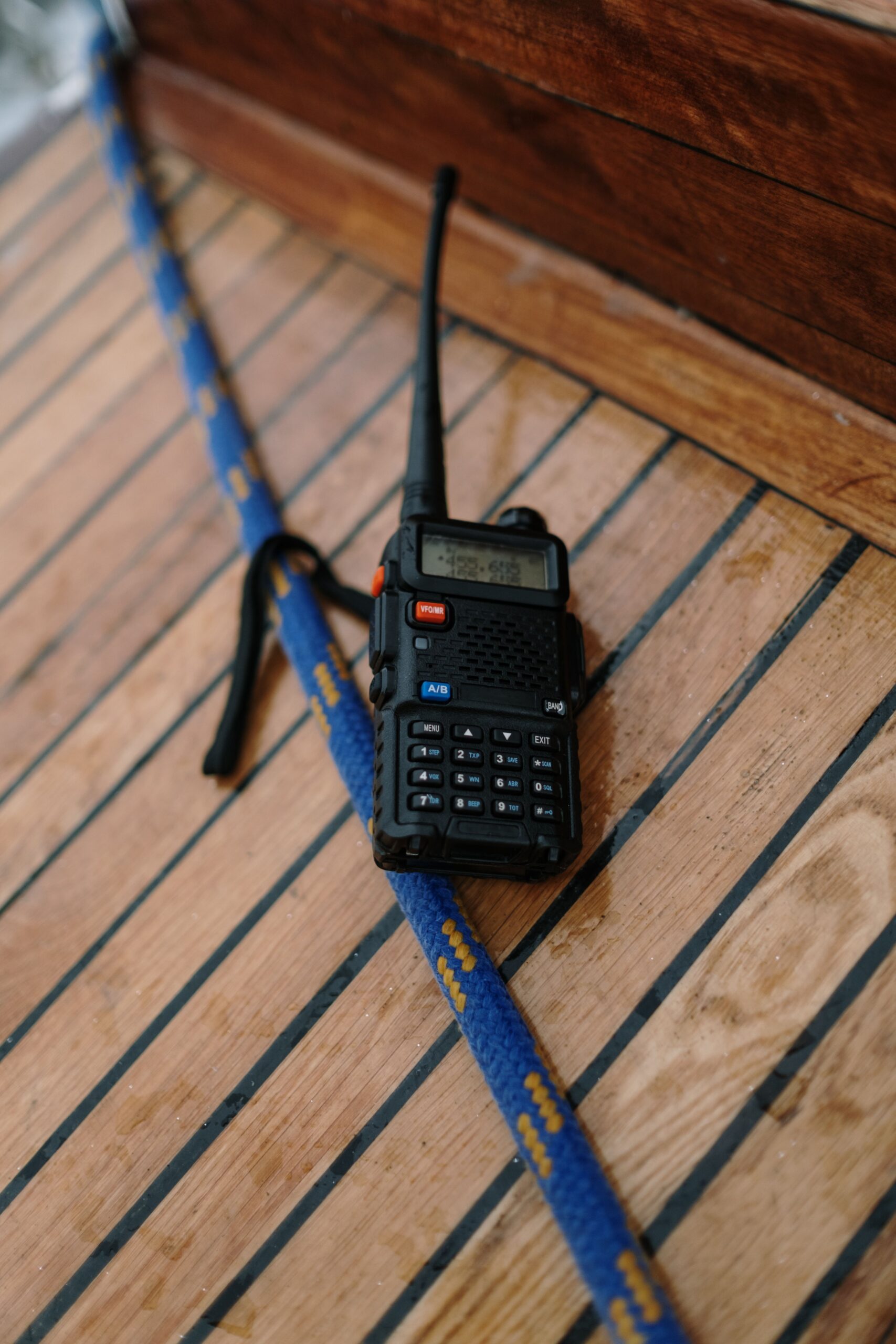
Yes, for short-range household communication they can be very useful. They work independently of mobile networks and are helpful if family members are in different parts of a large building, neighbourhood, campsite or local area.
Treat the advertised range cautiously. “10 km” or similar claims are normally achieved in ideal open conditions; buildings, hills and dense urban areas can reduce range dramatically. Test the exact route you care about.
For straightforward UK household use, licence-free PMR446 radios are the simplest option. Keep spare or rechargeable batteries and agree a primary channel plus a backup channel in advance. Walkie-talkies are not a replacement for emergency services or long-distance communication — they are a robust local layer when phones are inconvenient or networks fail.
What information should I keep offline?
Keep enough information on paper to function without your phone or internet. At minimum, include:
- 999 and NHS 111
- 105 for power cuts in England, Scotland and Wales
- gas emergency, water supplier and local utility contacts
- family and neighbour phone numbers
- insurer and policy number
- medication names, doses and allergies
- GP or relevant clinical contacts
- children’s school/childcare contacts
- two household meeting points
- useful radio station names/frequencies
Keep one copy with your emergency kit and another somewhere secure with important documents. Do not print passwords, bank PINs or unnecessary sensitive information. The aim is continuity, not creating a security problem.
What should be in a family emergency contact plan?
Keep it short enough that everyone can remember it. Agree:
- A meeting point immediately outside the home for events such as a fire.
- A second meeting point away from the immediate area if you cannot return home.
- One relative or trusted contact everyone can call or message.
- Who collects children, supports vulnerable relatives and looks after pets.
- What happens if phone networks are unavailable.
Children who are old enough should know their home address and at least one parent or guardian’s phone number. Keep the plan on paper and make sure schools or childcare providers have current contact details.
Review it twice a year and whenever someone changes school, workplace, phone number or address. A one-page plan people remember is better than a detailed plan nobody has read.
How can I keep my home secure during a power cut?
Start with ordinary physical security. Lock doors and accessible windows, keep keys in a known secure place and use battery lighting so people are not moving around or answering the door in darkness.
If you rely on smart locks, video doorbells, Wi-Fi cameras or an internet-connected alarm, find out exactly what still works when mains power or broadband fails. Many systems have battery backup, but not indefinitely. Mechanical locks, window catches and doors do not require a network connection and remain your baseline.
Avoid advertising that you have a house full of backup supplies, fuel or expensive power equipment. During a prolonged outage, check on trusted neighbours and agree how you will contact each other locally. Good security is mostly layers, awareness and routine — not turning the home into a fortress.
Will smoke and carbon-monoxide alarms still work if the power is off?
They should, if they are battery-powered or have functioning battery backup — but check your actual models. The UK Government advises testing smoke alarms at least once a month. Mains-powered alarms may have backup batteries, while some older systems behave differently.
If you have fuel-burning appliances, fit appropriate audible carbon-monoxide alarms and follow the manufacturer’s positioning instructions. London Fire Brigade advises buying alarms certified to British Standard EN 50291 for normal domestic use.
Test alarms now, know what each sound means and replace batteries or the complete alarm at the specified interval. During an outage, people may use unfamiliar heaters, candles or cooking methods, which makes working smoke and CO detection more important, not less.
Should I keep cash at home for emergencies?
Yes — a modest cash reserve is sensible because card terminals, cash machines or payment networks may be unavailable during a local outage. The amount should cover short-term essentials, not represent a large store of money at home.
A useful way to set the number is to estimate two or three days of basic spending on food, transport and small emergency purchases. For many households, something in the region of £50–£100 in mixed notes may be enough as a starting reserve, but use your own likely costs rather than treating that as a rule.
Keep smaller denominations, store the cash securely and do not tell people unnecessarily that you keep it. Cash is simply another payment layer — like a power bank for your phone — not a substitute for normal financial arrangements.
What should I do if the internet goes down?
First determine whether the problem is your router, your internet provider or a wider power/network outage. If mains power is on, restart the router once and check your provider’s service status by mobile data if available. If the power is out, preserve phone battery rather than endlessly refreshing apps.
Switch to mobile data if it works, but expect congestion during a widespread incident. Use text rather than data-heavy calls where appropriate. For public information, move to your battery or wind-up radio.
Your household plan should not depend on the internet returning quickly. Use the printed contact sheet, agreed meeting points and offline maps. If the internet is essential for work, health monitoring or communication, decide in advance what the backup connection or alternative process is.
Do I need paper maps if I have a smartphone?
Yes. A paper map is a cheap backup that needs no battery, signal, subscription or software. You do not need a stack of Ordnance Survey maps for every scenario: start with a local street map and, if you regularly drive long distances, a road atlas covering the routes you actually use.
Also download offline maps to your phone. That gives you the convenience of GPS while reducing dependence on mobile data, although the phone still needs power.
Mark useful locations before an emergency: home, family meeting point, hospital or urgent care, local community facilities and realistic alternative routes. A map is most useful when you already understand it; trying to learn navigation while tired, in the dark and with a flat phone is poor timing.