
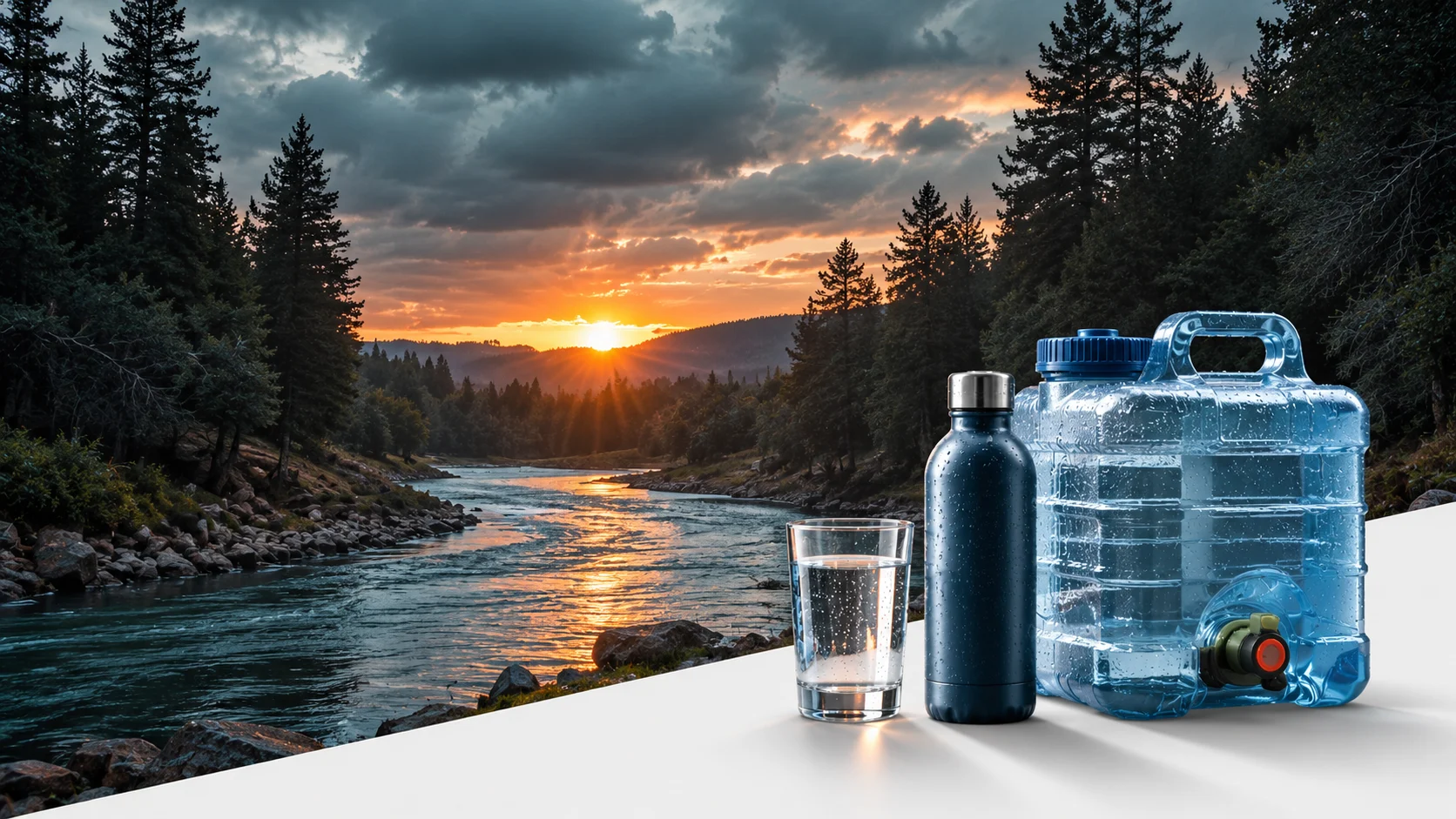
Water BASE essentials
Ready for the
everyday essential.
Build a more resilient water supply at home.
01
Store
Make room for a household reserve.
02
Filter
Understand your water options.
03
Plan
Consider everyone in your home.
04
Review
Keep your supplies in good order.
Everyday water preparedness
Never take the tap for granted
We rarely think about water because it’s always there. Until it isn’t. A burst main, contamination alert or wider disruption can turn the most basic household essential into an immediate problem. From storing it to filtering and purifying it, build a backup water supply that keeps your household going — whatever happens next.
The Prepared Index
Know where to start.
Six simple questions. One clear picture of where you stand.
Water kits
Start with a kit
Each kit groups the essentials and sizes them for your household. Add a whole kit to your basket, or adjust it for the people and days you are planning for.
Water
Water starter kit
12 items
- Nalgene wide-mouth water bottle, 1 L
- SWIFTER collapsible soft flasks, 2 x 500 ml
- Platypus collapsible water bottle, 2 L
- and 9 more items
Amazon links coming soon
Power cut
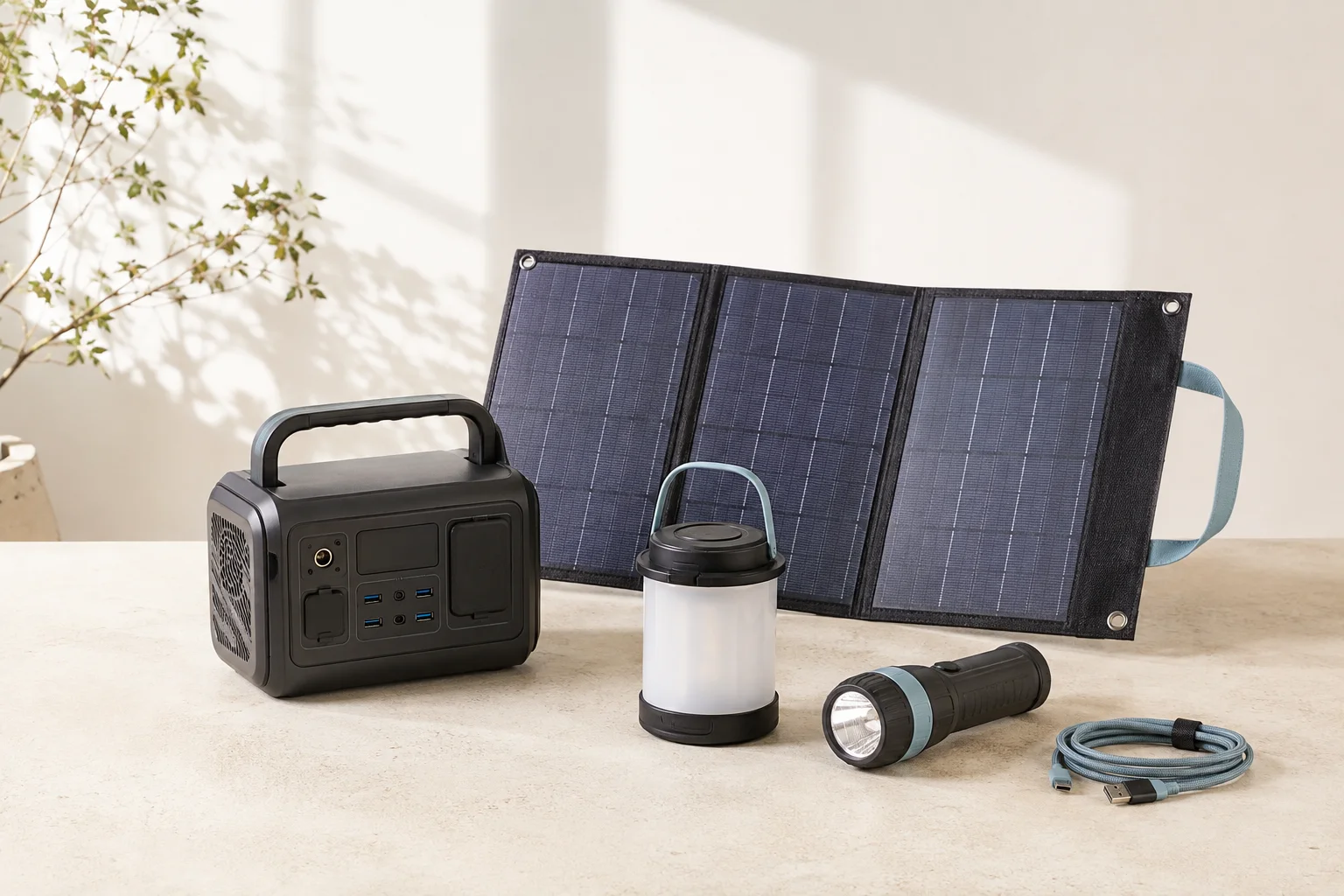
Power cut kit
31 items
- Food-safe water container with screw cap, 5 L
- yfood meal replacement drinks, taster pack of 5
- Wayfayrer ready-to-eat meal pouch, 300 g
- and 28 more items
Amazon links coming soon

Flood
Flood kit
25 items
- Still bottled water, 6 x 2 L
- Food-safe water container with screw cap, 5 L
- Nalgene wide-mouth water bottle, 1 L
- and 22 more items
Amazon links coming soon
Storm / stay at home
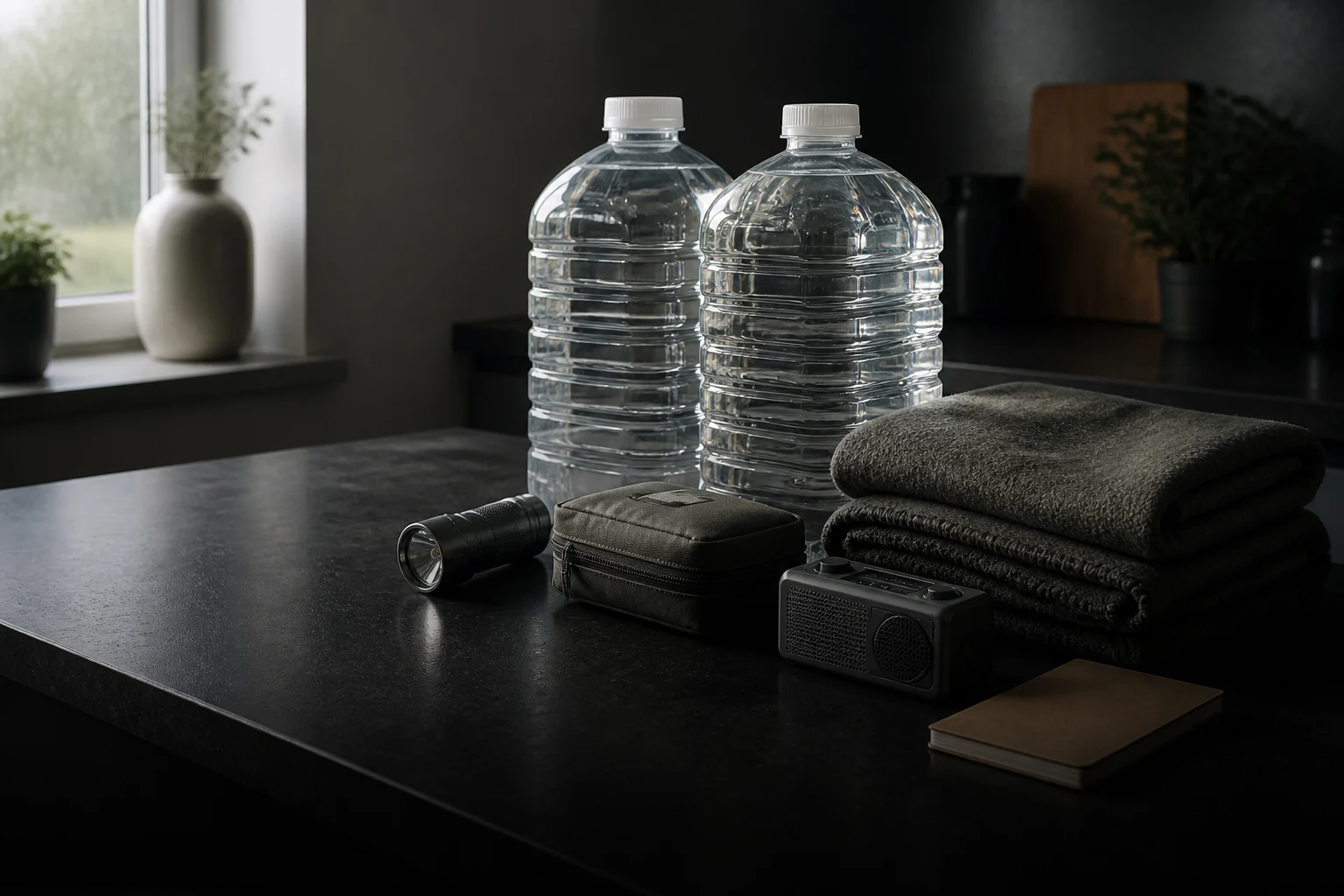
Storm and stay at home kit
26 items
- yfood meal replacement drinks, taster pack of 5
- Wayfayrer ready-to-eat meal pouch, 300 g
- Nature Valley Protein bars, 26 x 40 g
- and 23 more items
Amazon links coming soon
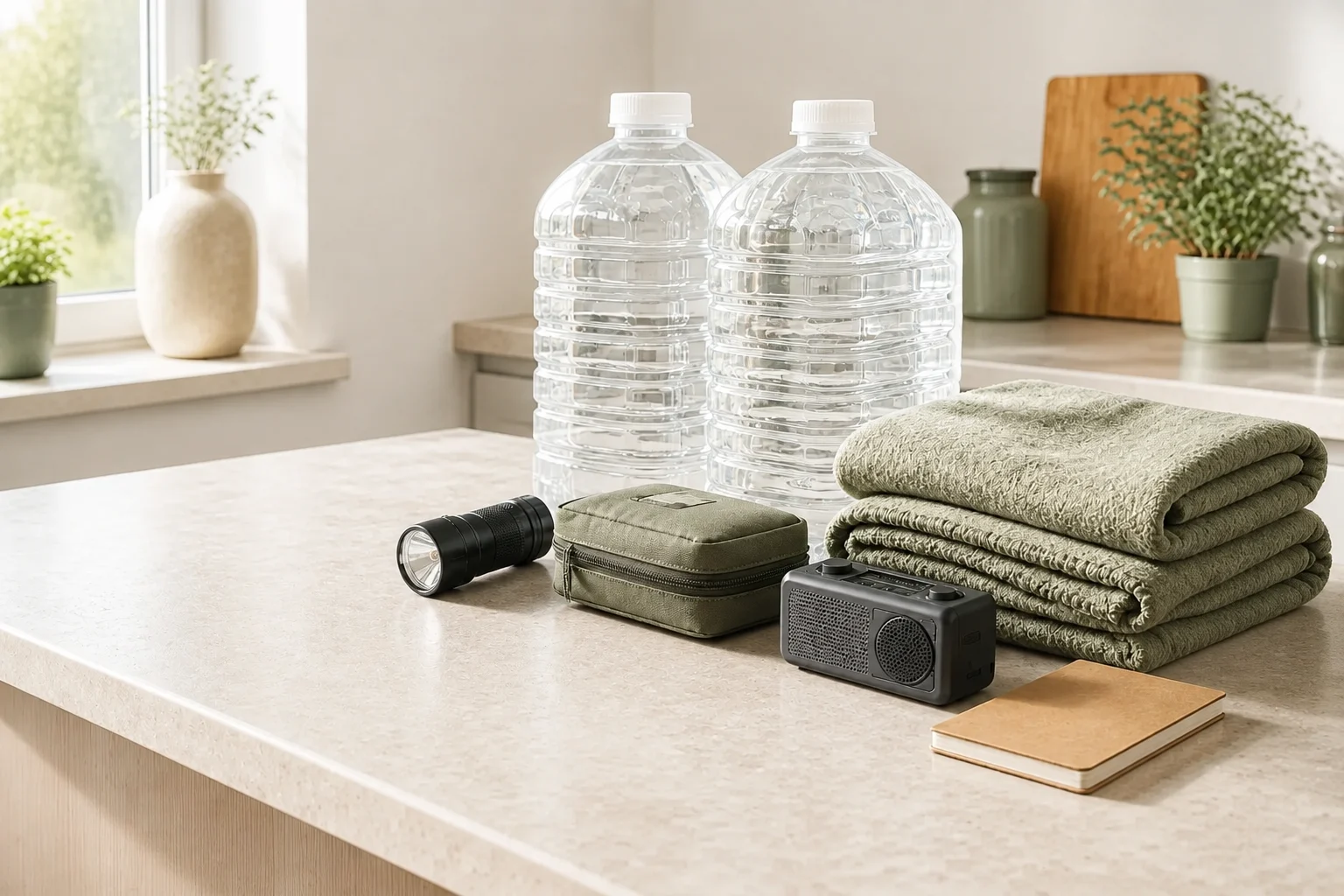
Evacuation grab bag
Evacuation grab bag
28 items
- Waterproof rucksack, 80 L
- Nalgene wide-mouth water bottle, 1 L
- SWIFTER collapsible soft flasks, 2 x 500 ml
- and 25 more items
Amazon links coming soon
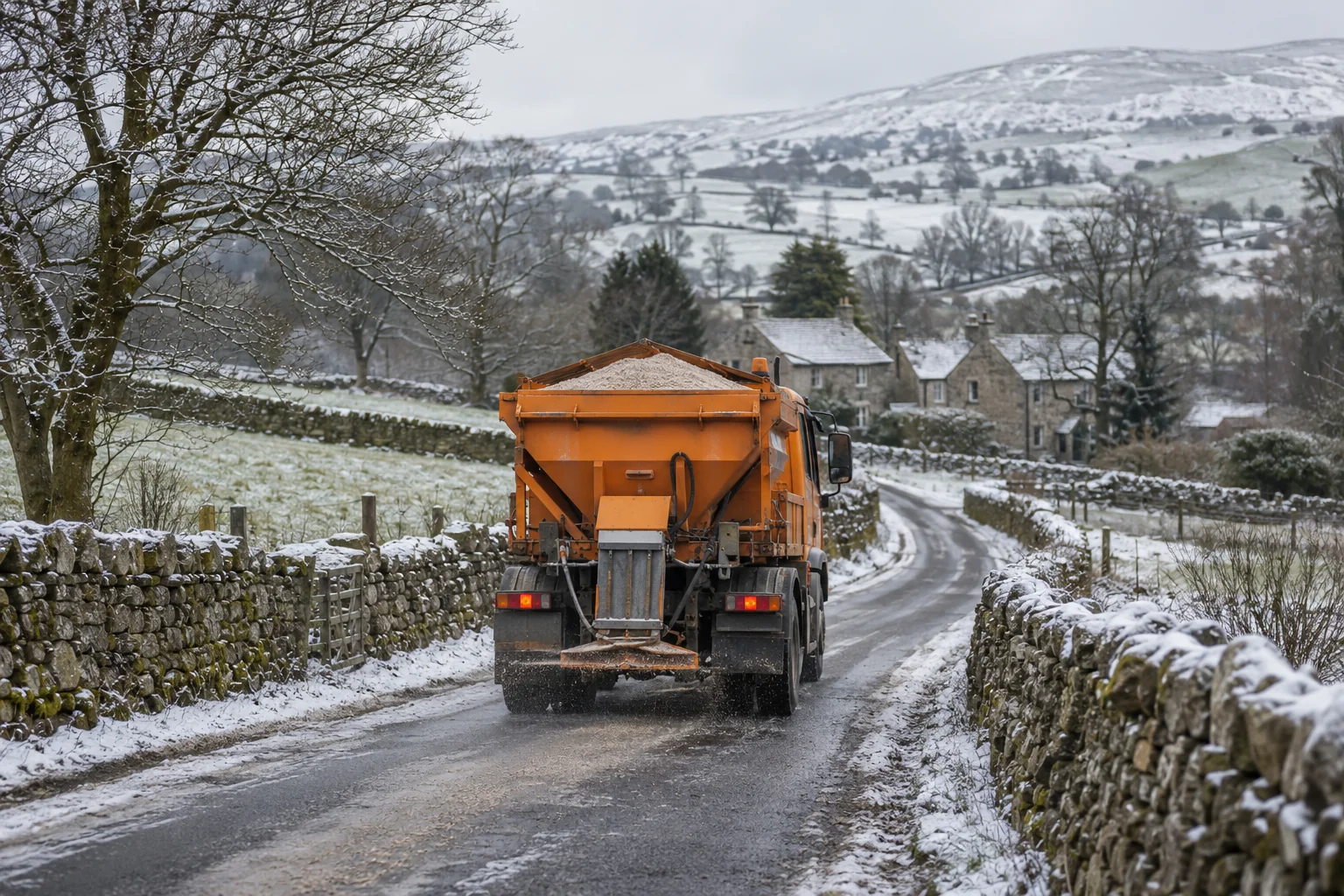
Cold snap / snowed in
Cold snap and snowed in kit
35 items
- Still bottled water, 6 x 2 L
- Food-safe water container with screw cap, 5 L
- Nalgene wide-mouth water bottle, 1 L
- and 32 more items
Amazon links coming soon
Car emergency
Car emergency kit
19 items
- Energizer Vision HD+ head torch
- Amazon Basics AA batteries, pack of 12
- Amazon Basics AAA batteries, pack of 12
- and 16 more items
Amazon links coming soon
Water essentials
Or choose single items
Add only what you are missing. Prices and availability are set by Amazon and shown there before you buy.
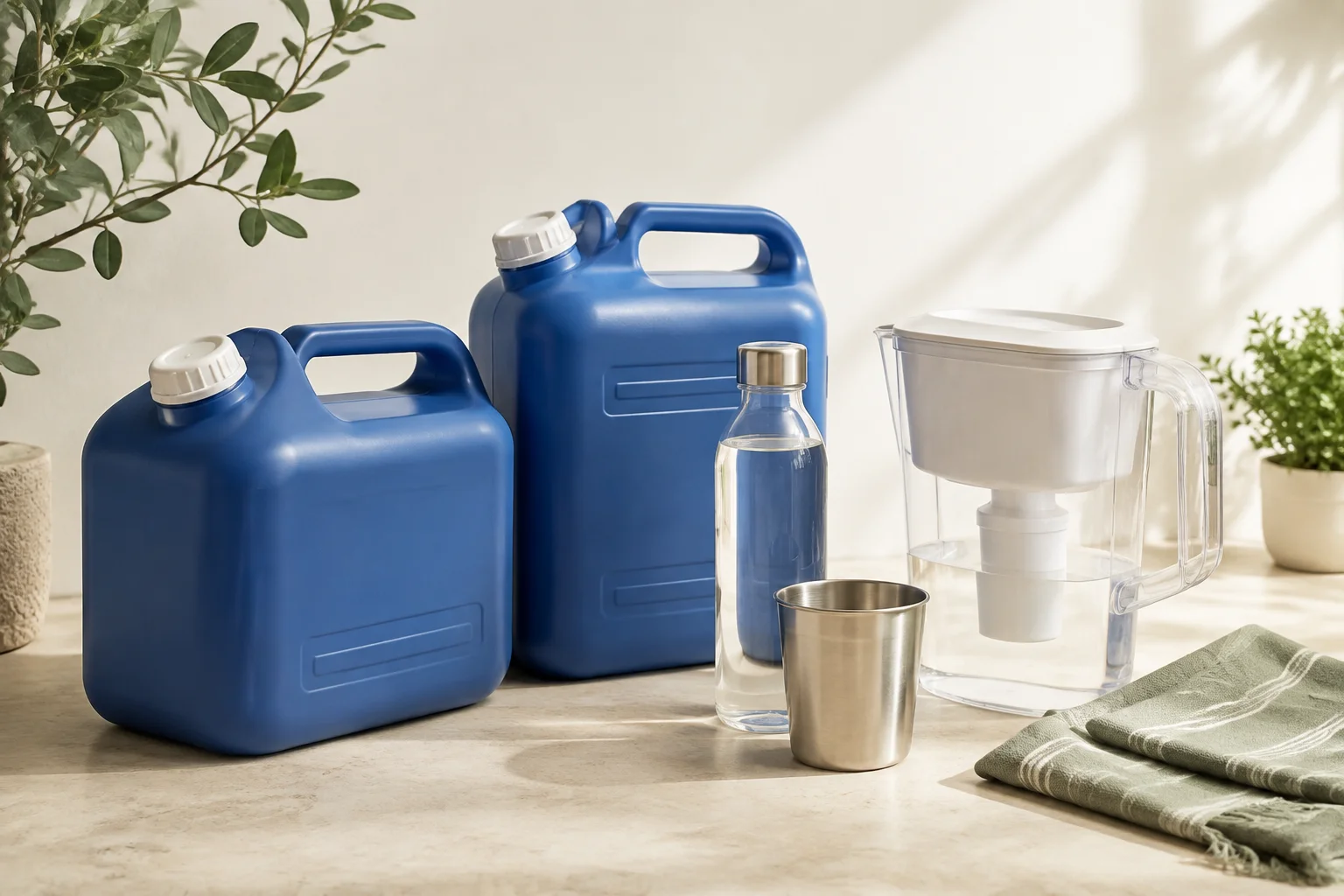
Water
Biox Aqua chlorine dioxide water tablets
A second way to treat water, effective against a wider range of germs.
Amazon link coming soon
Water
Cleanwaste Go Anywhere toilet kits, pack of 50
Sealed toilet bags for when the toilet cannot be flushed.
Amazon link coming soon
Water
Food-grade jerry can, 25 L
A larger store of tap water for longer interruptions.
Amazon link coming soon
Water
Food-safe water container with screw cap, 5 L
Food-grade containers for storing tap water at home.
Amazon link coming soon
Water
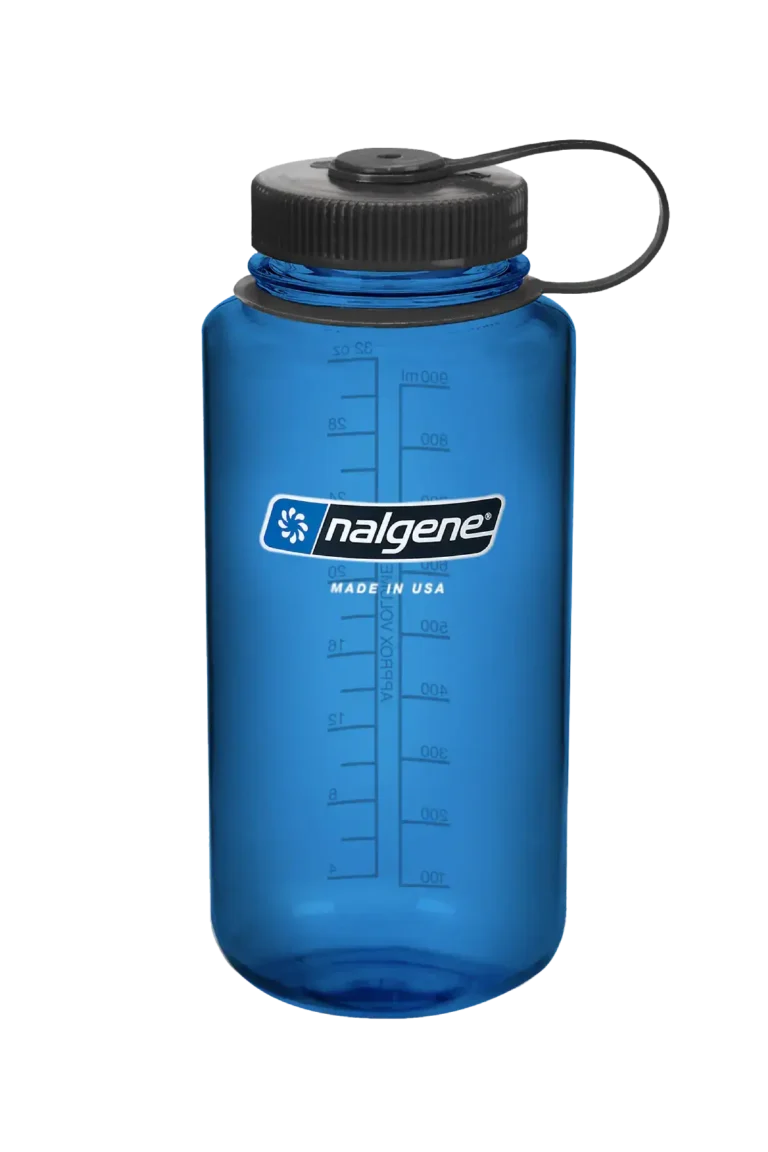
Nalgene wide-mouth water bottle, 1 L
A tough, leakproof bottle for carrying drinking water, one for each person.
Amazon link coming soon
Water
OXO Good Grips bottle cleaning set
Keeps stored water bottles and containers clean between refills.
Amazon link coming soon
Water
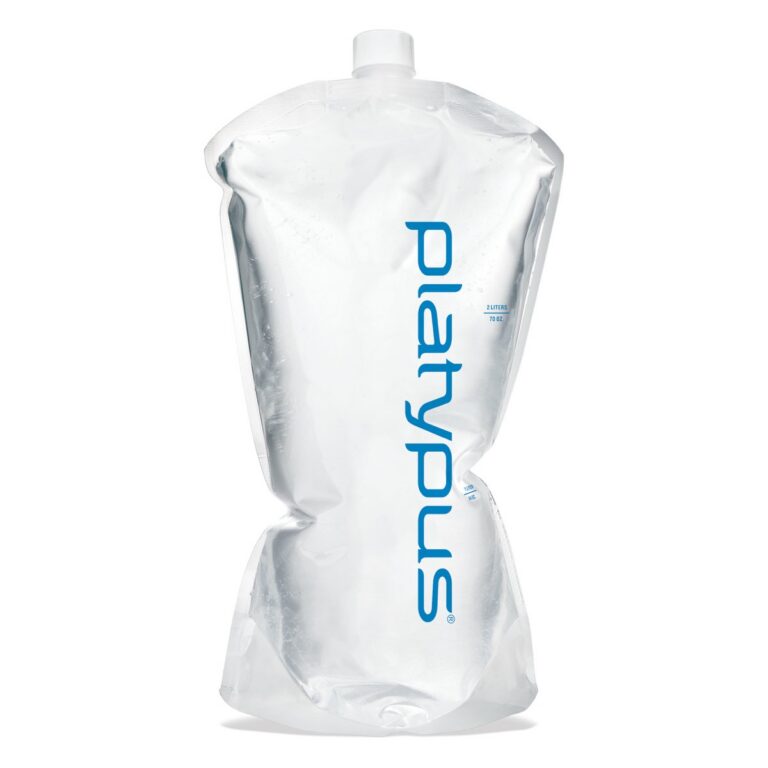
Platypus collapsible water bottle, 2 L
Folds flat when empty and holds 2 litres when you need it.
Amazon link coming soon
Water
Sawyer Micro Squeeze water filter
A small filter that removes bacteria and parasites from fresh water.
Amazon link coming soon
Water
SWIFTER collapsible soft flasks, 2 x 500 ml
Soft flasks that roll up small when empty, handy for a grab bag.
Amazon link coming soon
Water
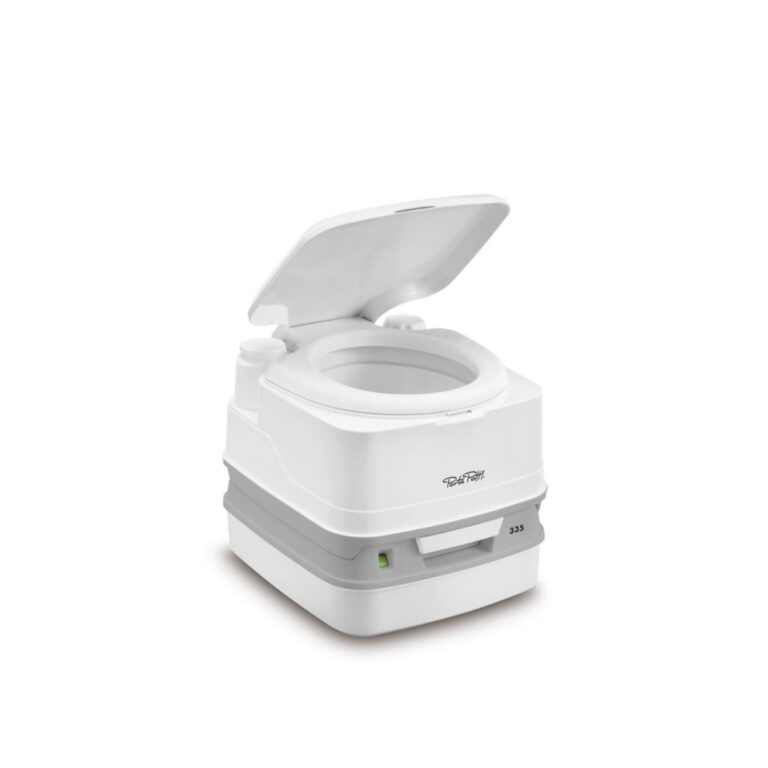
Thetford Porta Potti 335 portable toilet
A proper toilet if the water or sewers are off for longer.
Amazon link coming soon
Water
Weeplow Earth gravity water filter, 8.5 L
Filters larger amounts of water at home without power.
Amazon link coming soon
Water
Still bottled water, 6 x 2 L
Long-life still water in sealed 2 litre bottles. Store somewhere cool and dark and rotate by the best before date.
Amazon link coming soon
Water
Still water, 24 x 500 ml bottles
Small bottles that are easy to carry in a grab bag or hand out in a hurry.
Amazon link coming soon
Water
Water container with tap, 10 L
Fill it before a planned cut or collect water from a bowser.
Amazon link coming soon
Water
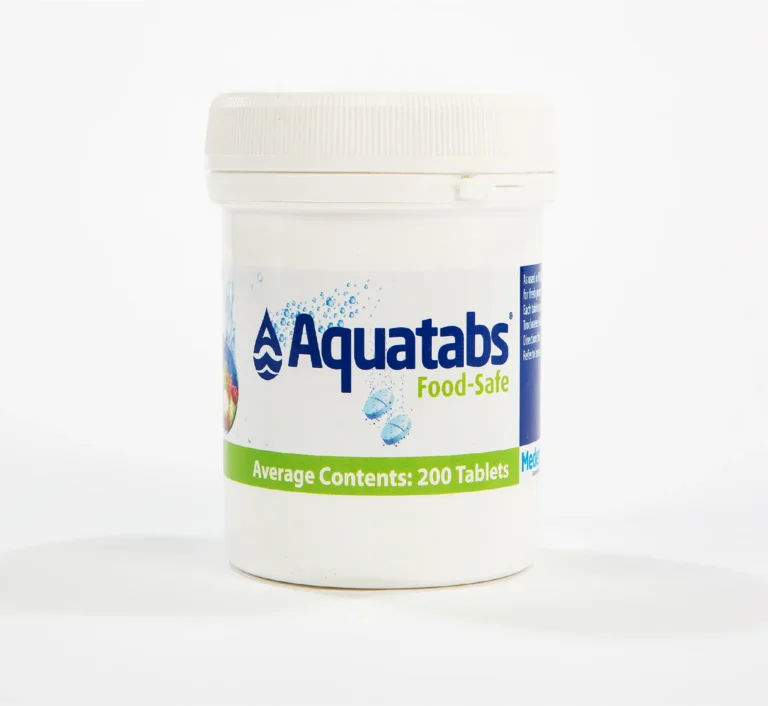
Aquatabs water purification tablets
Makes doubtful water safe to drink if bottled water runs low.
Amazon link coming soon
Water
GRAYL GeoPress purifier bottle, 710 ml
Purifies water from taps, streams and lakes in seconds.
Amazon link coming soon
Water
FloodSax sandless sandbags
Lightweight sacks that swell on contact with water to block doors and airbricks.
Amazon link coming soon
Water
Collapsible pet bowls, pack of 2
Packs flat for a grab bag so pets can eat and drink away from home.
Amazon link coming soon
Water
Insulated water bottle, 750 ml
Keeps water cold for hours, so everyone has a drink to hand indoors and out.
Amazon link coming soon
Water
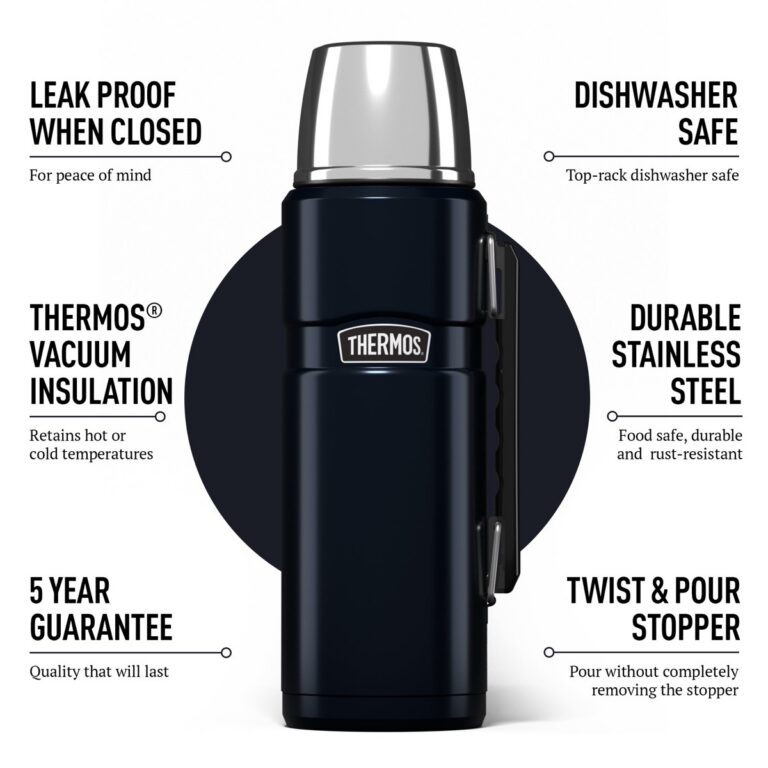
Thermos Stainless King drinks flask, 1.2 L
Keeps drinks hot for a day, so one boil goes further.
Amazon link coming soon
A simple way to build your water kit
1
STORE IT: Water for the first few days
Start with a reliable supply of drinking water, using suitable containers that are easy to store, carry and access when you need them.
2
MAKE IT SAFE: A way to treat more water
Add filtration and purification so you can make additional water safer to drink if your stored supply runs low
3
CARRY & USE IT: The practical essentials
Complete your kit with bottles, collapsible carriers and other useful equipment for collecting, transporting and using water when normal supply is disrupted.
Guides & knowledge
Practical advice for everyday readiness
-
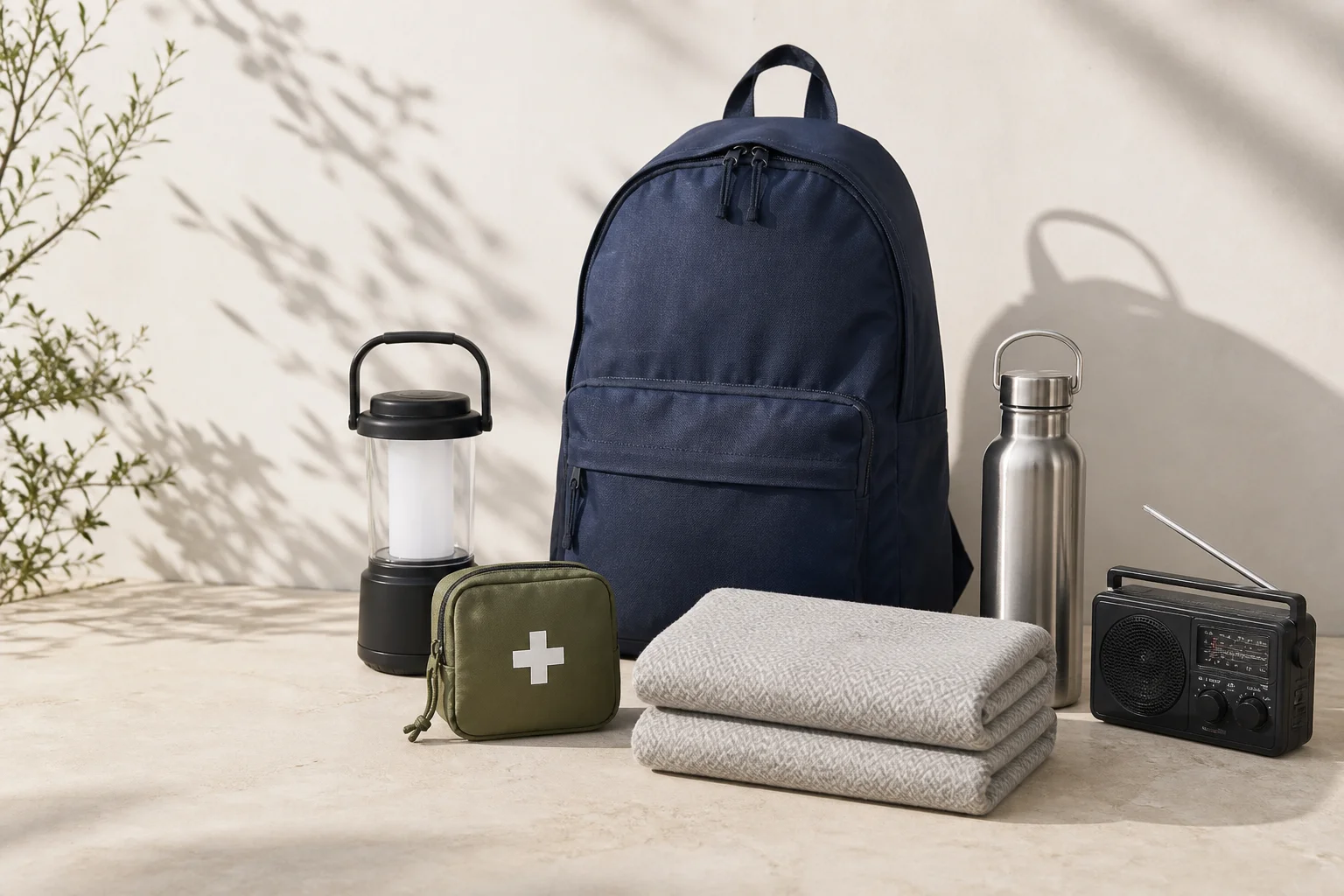
Start with what you already have
Readiness does not need a perfect kit or a weekend-long project. Begin with one everyday need and build from there.
-
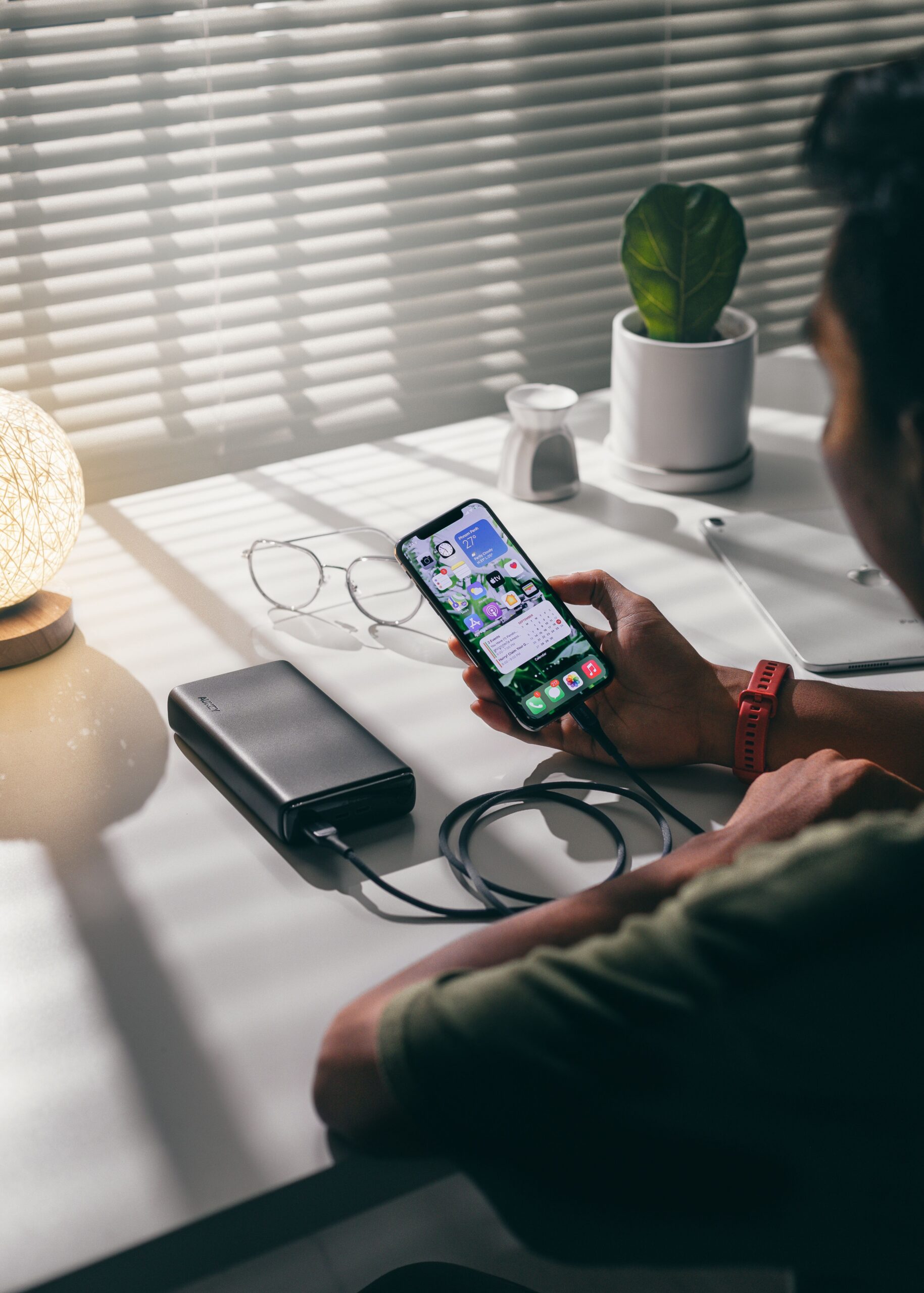
How to Build a 72-Hour Household Emergency Plan
You may know where the torch is. Does everyone else? And if the power goes out while you are away, would someone at home know who to call, where the supplies are and what to…
-
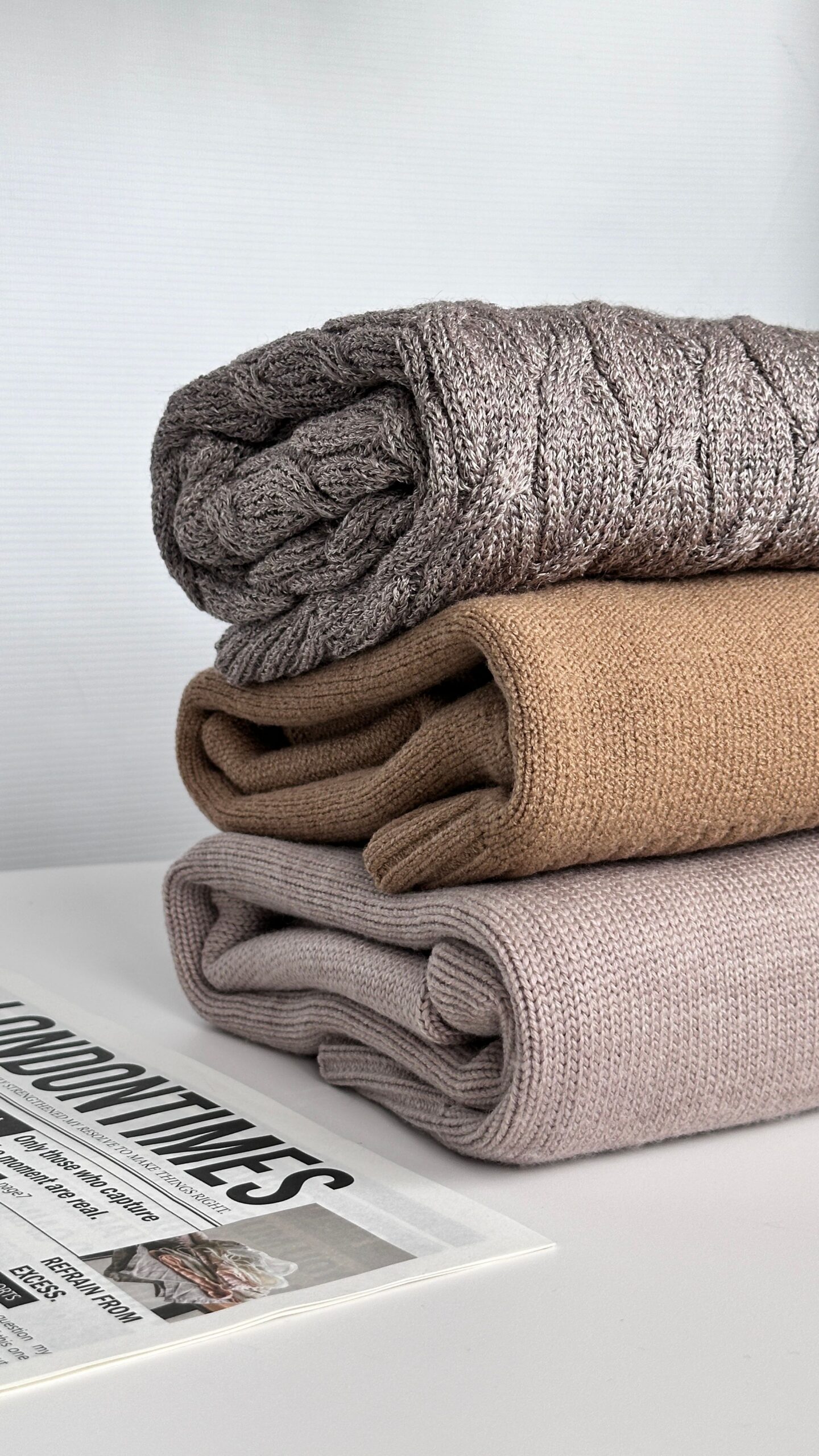
How to Stay Warm at Home When the Heating Stops
You notice it first in your feet. Then someone puts a jumper on, checks the thermostat and asks whether the radiators are working. A heating failure on a mild afternoon is inconvenient. During a winter…
-
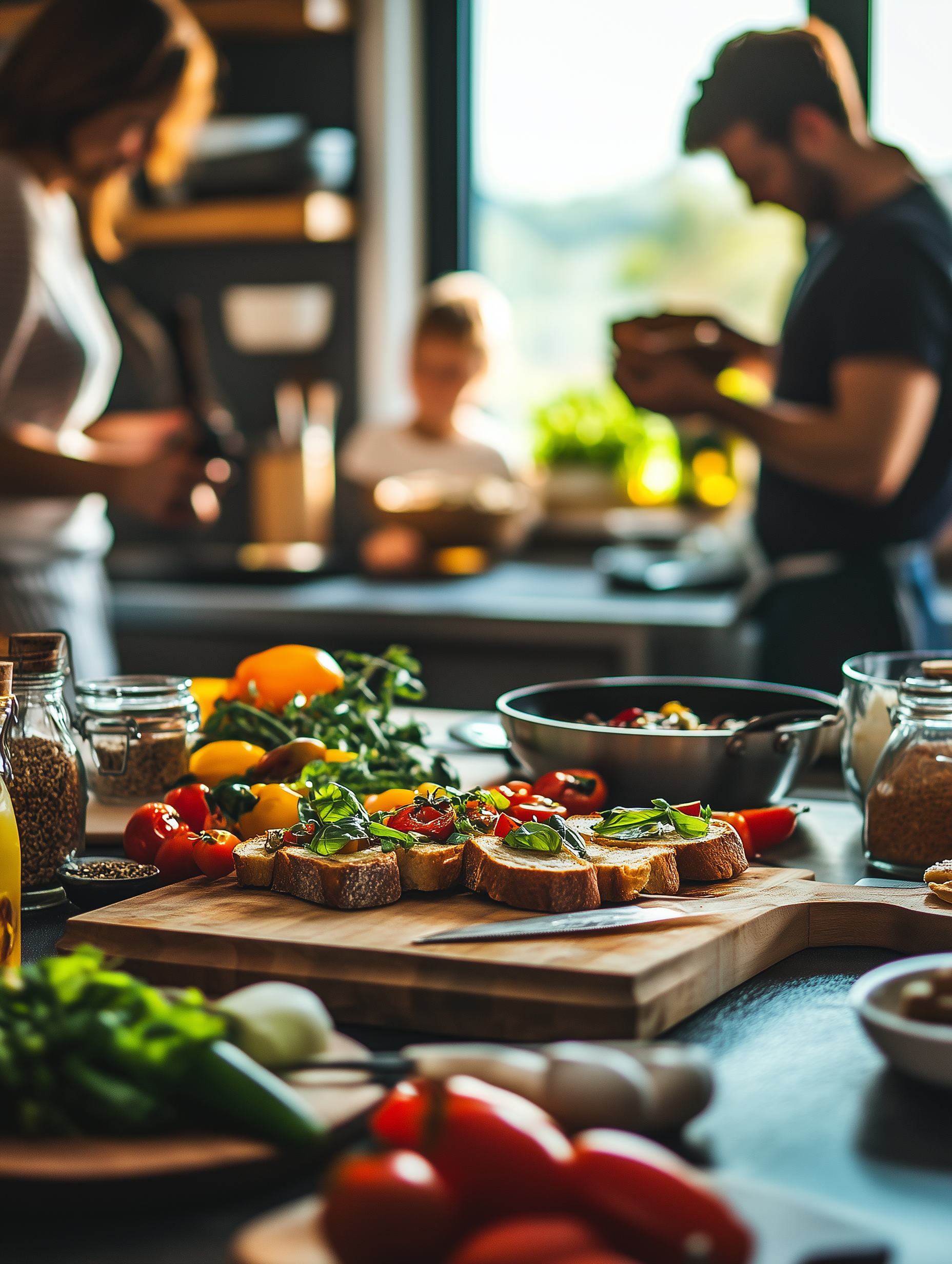
What Food Should You Keep for a 3-day Emergency?
The kitchen cupboard can look reassuringly full until you realise how much of it needs boiling water, an oven or a working microwave. A bag of pasta will provide plenty of meals. Getting it onto…
When the taps stop.
Your plan starts here.
Keep safe drinking water at the heart of your preparations. These five steps will help your household prepare for a disrupted supply.
Your ticks last for this visit. Use the full guidance to build your plan.
Read the UK Prepare guideWater Frequently Asked Questions
Where should I start with emergency water preparedness?
Use 72 hours as your first practical target. For drinking alone, plan on 3 litres per person per day. That means 9 litres for one person, 18 litres for two people, and 36 litres for a family of four over three days. If you want enough for basic cooking and hygiene as well, a much stronger planning figure is around 10 litres per person per day — so 120 litres for four people over three days.
Build in layers: first, store ready-to-drink water; second, keep clean food-grade containers you can refill; third, have a reliable treatment method in case you need to use an uncertain source. Add extra for babies, medical needs and pets. You do not need to reach the full target in one purchase — but you should know what your target is.
How much water should I keep at home?
Use 3 litres per person per day as the minimum drinking-water planning figure. For a three-day disruption that means:
- 1 person: 9 litres
- 2 people: 18 litres
- 4 people: 36 litres
- 5 people: 45 litres
That is drinking water only. The UK Government’s Prepare guidance notes that around 10 litres per person per day gives a more comfortable allowance because it also covers some basic cooking and hygiene. On that basis, a family of four would need around 120 litres for three days.
Treat 3 litres as the minimum layer, not the finished plan. Add more if anyone is pregnant, breastfeeding, unwell, using water-dependent medical equipment, if you have pets, or during hot weather.
Is bottled water enough for an emergency?
Bottled water is a very good first layer, but it should not be your only layer. A family of four needs about 36 litres just to cover three days of drinking water at 3 litres per person per day. In 2-litre bottles, that is 18 bottles. If you were aiming for the more comfortable 10-litres-per-person-per-day figure for drinking, basic cooking and hygiene, the same family would need about 120 litres — 60 two-litre bottles.
That is why a practical setup normally combines bottled water with larger food-grade storage containers, collapsible carriers and a treatment method. Bottled water gives you immediate safe water; containers and filtration or purification give you options if the disruption lasts longer than expected.
What is the difference between a water filter and a water purifier?
A filter and a purifier are not automatically the same thing. A filter mainly works by physically trapping contaminants as water passes through it. Depending on the product, that may include sediment, protozoa, bacteria and microplastics. Many common portable filters do not reliably remove viruses.
A purifier is intended to provide a higher level of microbiological protection and may use filtration, chemicals, UV or a combination of methods. Do not buy on the word “purifier” alone: check the manufacturer’s actual test data and exactly what it claims to reduce.
For emergency use, ask four questions: does it deal with bacteria, viruses and protozoa; how many litres can it treat; how fast is it; and can it be cleaned or maintained without mains power? If the answer to those is unclear, keep looking.
Can I drink rainwater in an emergency?
Do not assume collected rainwater is safe to drink. The UK Government specifically advises that water from a rain butt should not be drunk because it can contain bacteria or disease. Roof-collected water can also pick up bird droppings, dirt, metals, roofing residues and other contaminants.
For preparedness, rainwater is excellent for uses such as toilet flushing, cleaning and watering plants, which preserves your stored drinking water. If you ever had to consider it for drinking, use the cleanest catchment possible, discard the initial dirty run-off where your system allows, pre-filter visible debris and then use an appropriate treatment method.
Crucially, boiling or disinfecting does not make water contaminated with fuel, toxic chemicals or similar substances safe. If chemical contamination is suspected, use a different source.
How should I store water safely?
Use containers designed for drinking water or food storage, with tight-fitting lids. Clean and sanitise them before filling, label them “drinking water” with the fill date, and keep them somewhere cool, dark and away from petrol, pesticides, cleaning chemicals or anything with a strong odour.
Remember the weight: 1 litre of water weighs roughly 1 kilogram. A 10-litre container is therefore about 10 kg before the container itself; a 20-litre one is about 20 kg. Large containers are efficient for storage but can become awkward to lift, especially for older people or children.
For most homes, a mix works well: larger containers for static storage and several 5–10 litre carriers that are easier to move, refill and pour safely.
How long does stored water last?
For unopened commercially bottled water, follow the storage instructions and date printed by the manufacturer. Keep it cool, out of direct sunlight and away from chemicals.
For water you fill into your own sanitised food-grade containers, a sensible conservative routine is to label the fill date and replace the water every six months. That is also the interval recommended by the US CDC for home-filled emergency water. You can use the old water for plants or cleaning rather than wasting it.
The container matters as much as the water. If a seal is damaged, the container has been contaminated, the water has an unusual smell or appearance, or you are unsure how it was stored, do not rely on it as safe drinking water simply because it is “within date”.