
food and cooking base
Keep meals on the table.
Build a practical food buffer and a reliable way to cook when everyday options are disrupted.
01
Stock
Build a buffer of everyday food essentials
02
Cook
Have a reliable way to prepare food without power
03
Rotate
Use, replace and replenish stored food regularly.
04
Review
Check your food, fuel and cooking supplies before you need them.
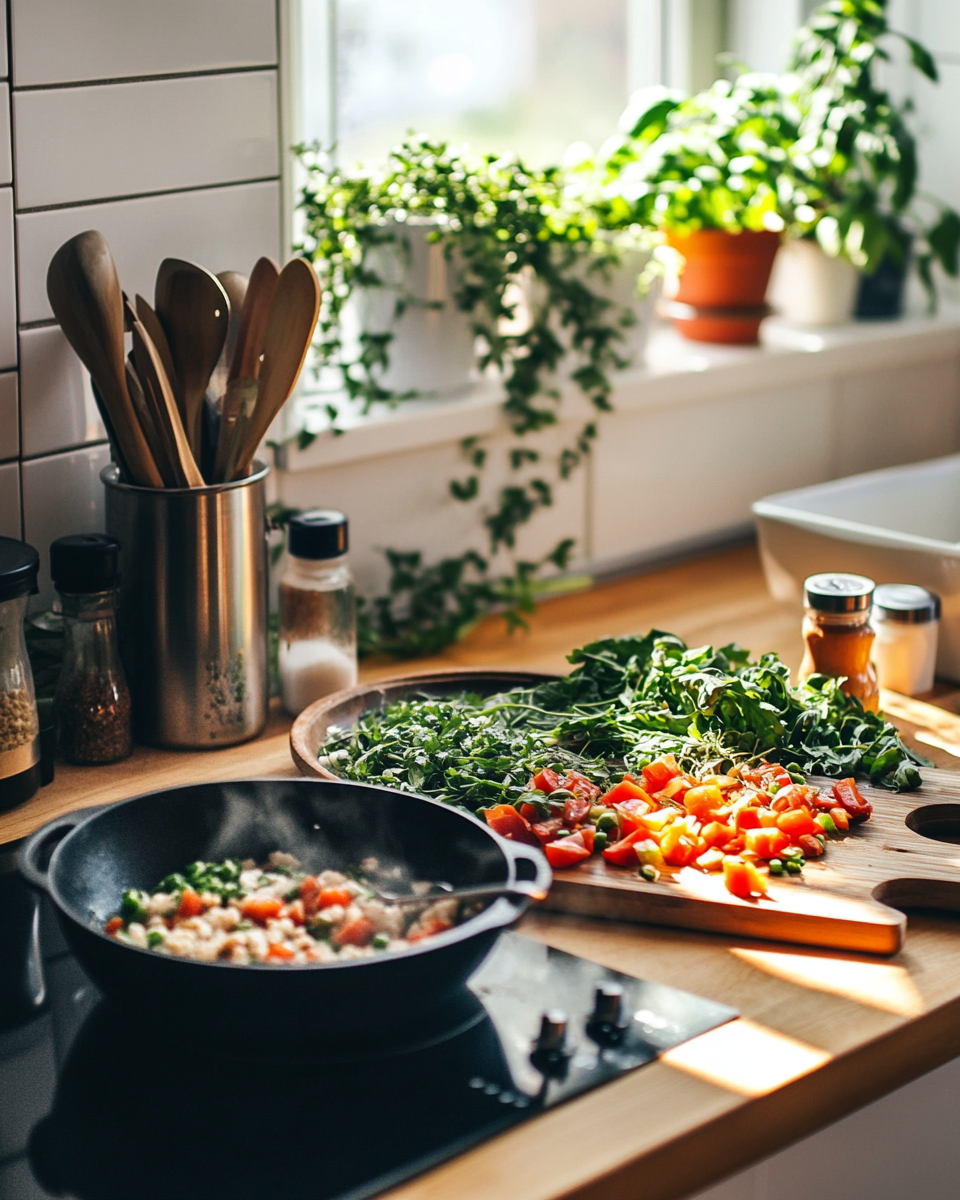
Everyday Food preparedness
Store well. Cook anywhere.
When everyday routines are disrupted, food quickly becomes one of the basics you need covered. Build a practical mix of shelf-stable staples, backup cooking options and simple meal essentials so your household can keep eating well when the power, shops or deliveries aren’t available.
Food & Cooking kits
Start with a kit
Each kit groups the essentials and sizes them for your household. Add a whole kit to your basket, or adjust it for the people and days you are planning for.
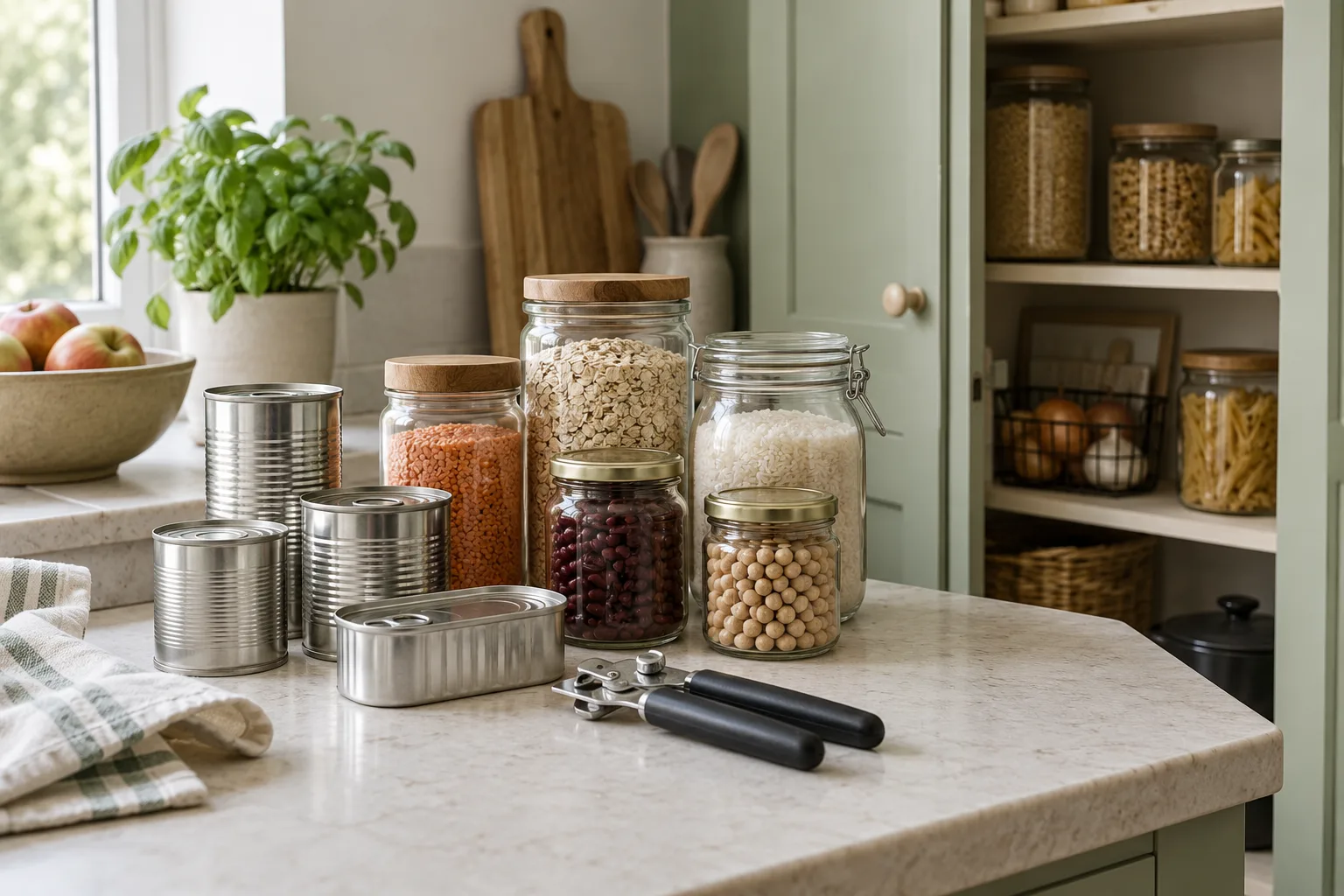
Food & Cooking
Food and cooking starter kit
17 items
- yfood meal replacement drinks, taster pack of 5
- Wayfayrer ready-to-eat meal pouch, 300 g
- Nature Valley Protein bars, 26 x 40 g
- and 14 more items
Amazon links coming soon
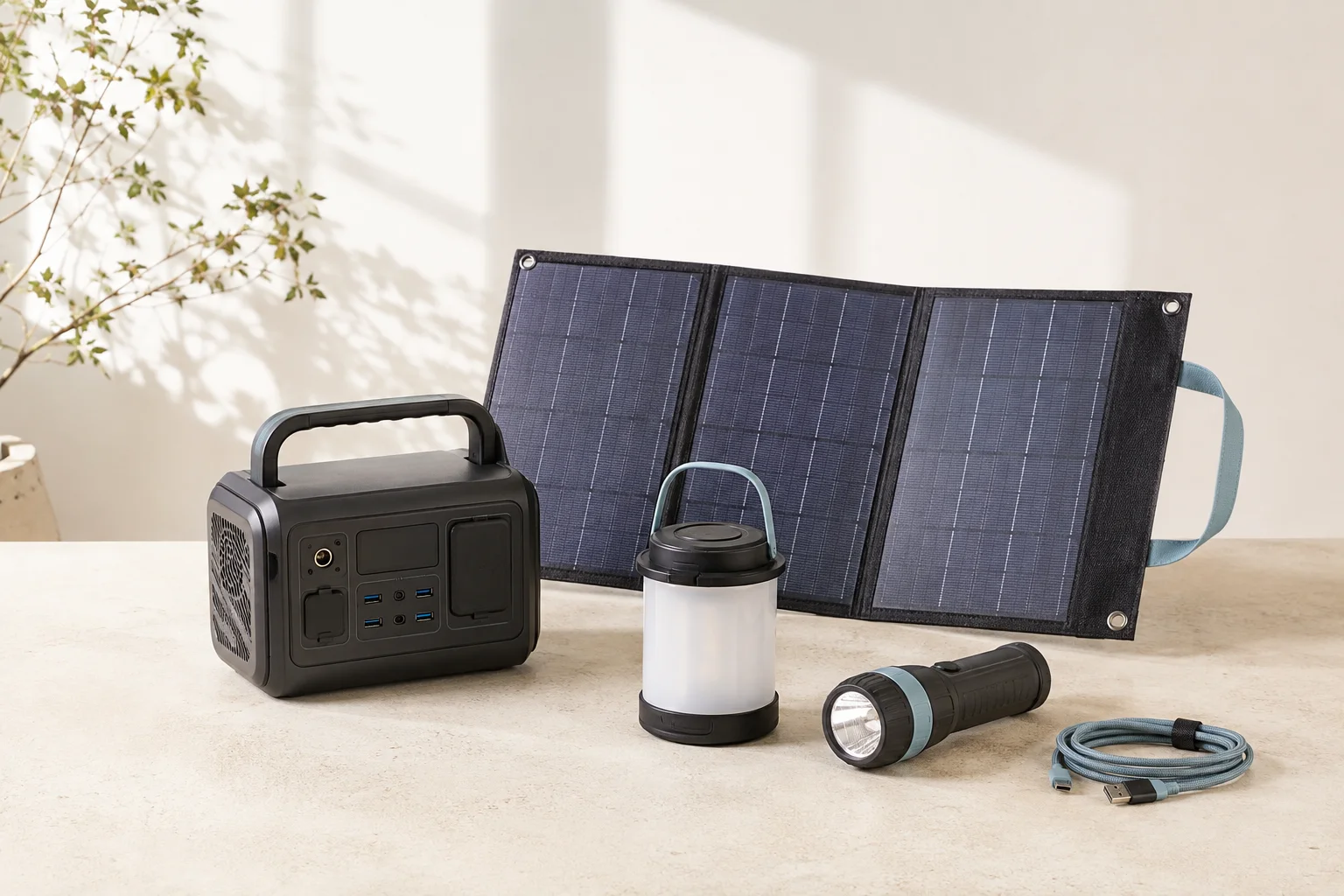
Power cut
Power cut kit
31 items
- Food-safe water container with screw cap, 5 L
- yfood meal replacement drinks, taster pack of 5
- Wayfayrer ready-to-eat meal pouch, 300 g
- and 28 more items
Amazon links coming soon

Flood
Flood kit
25 items
- Still bottled water, 6 x 2 L
- Food-safe water container with screw cap, 5 L
- Nalgene wide-mouth water bottle, 1 L
- and 22 more items
Amazon links coming soon
Storm / stay at home
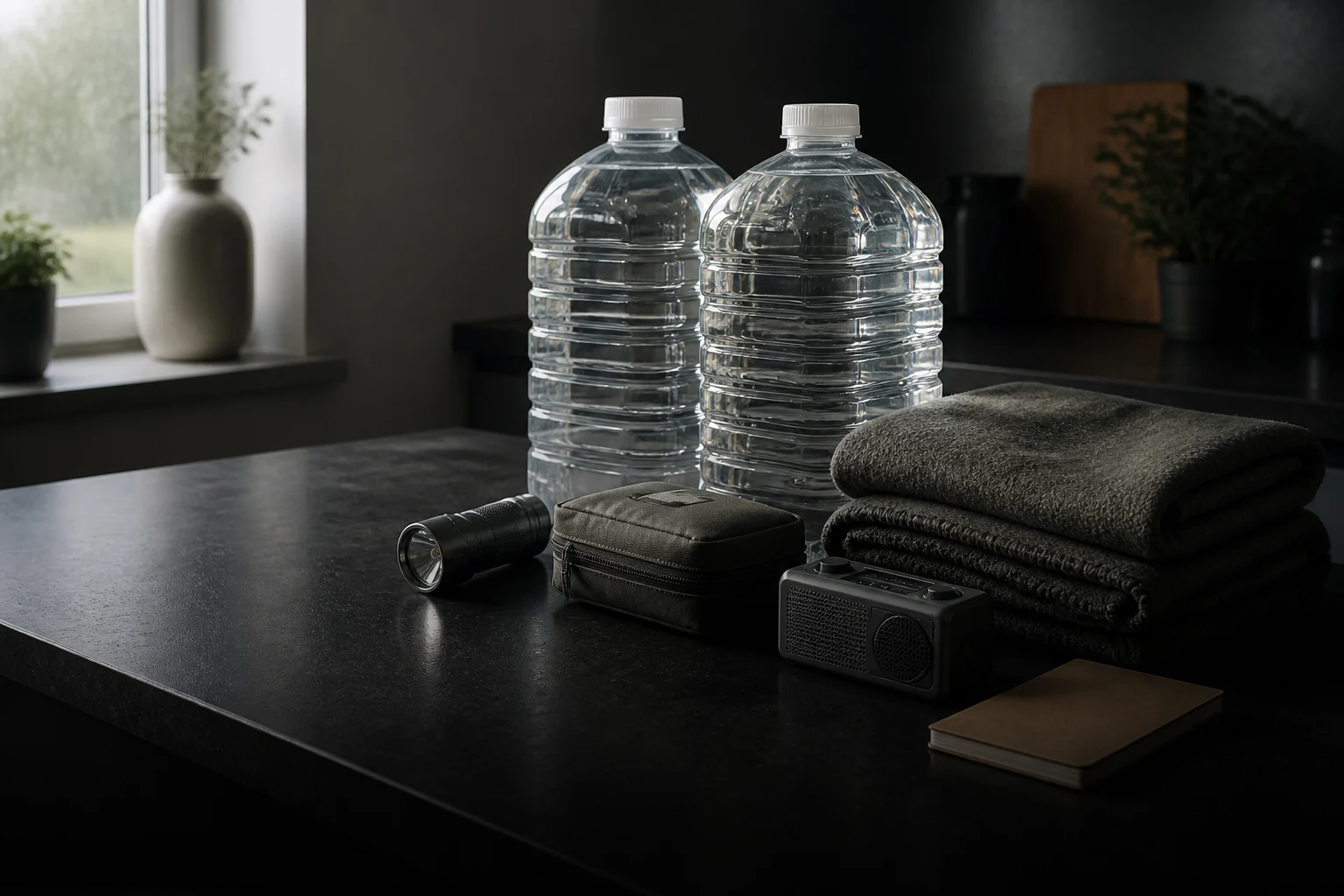
Storm and stay at home kit
26 items
- yfood meal replacement drinks, taster pack of 5
- Wayfayrer ready-to-eat meal pouch, 300 g
- Nature Valley Protein bars, 26 x 40 g
- and 23 more items
Amazon links coming soon
Evacuation grab bag
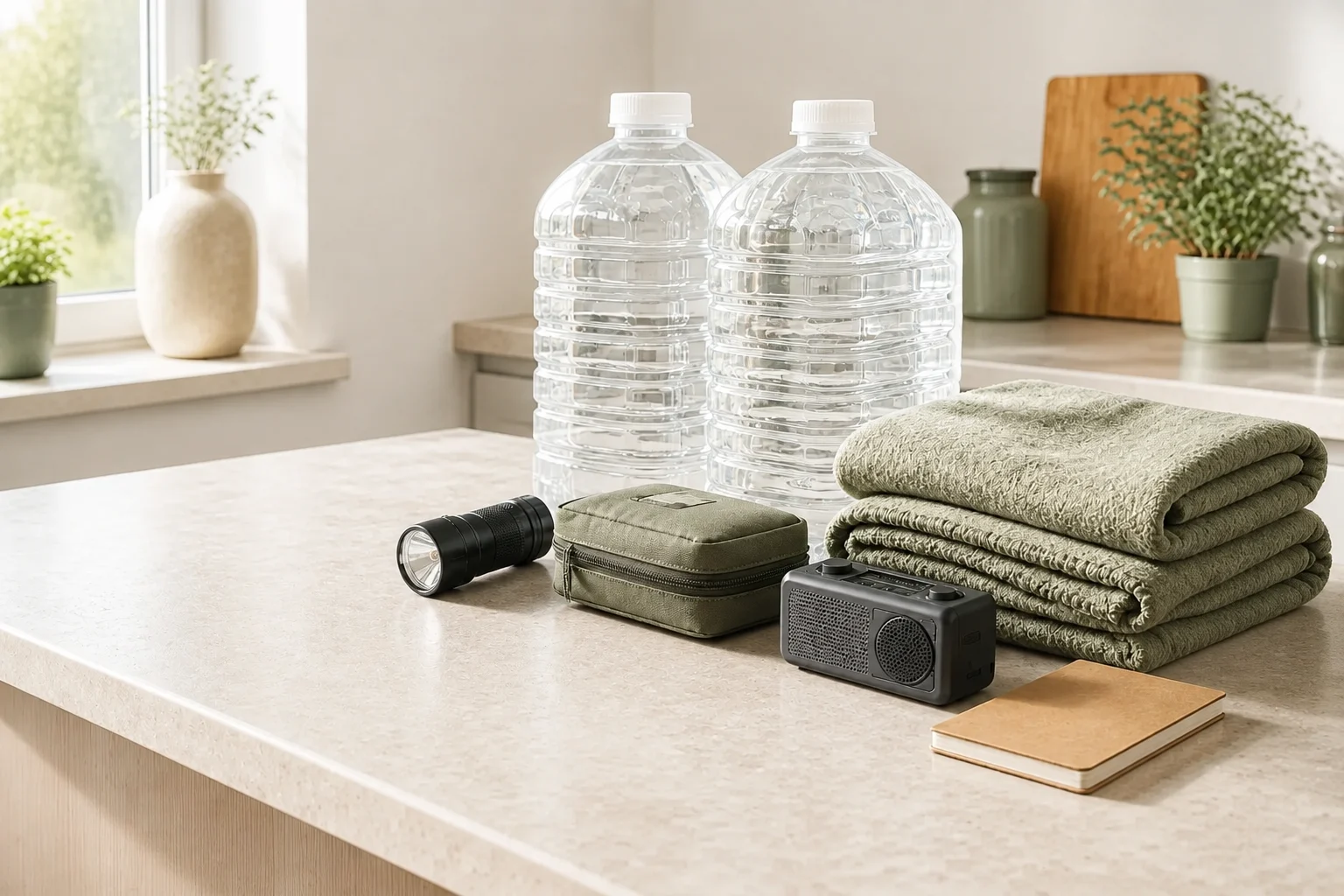
Evacuation grab bag
28 items
- Waterproof rucksack, 80 L
- Nalgene wide-mouth water bottle, 1 L
- SWIFTER collapsible soft flasks, 2 x 500 ml
- and 25 more items
Amazon links coming soon
Cold snap / snowed in
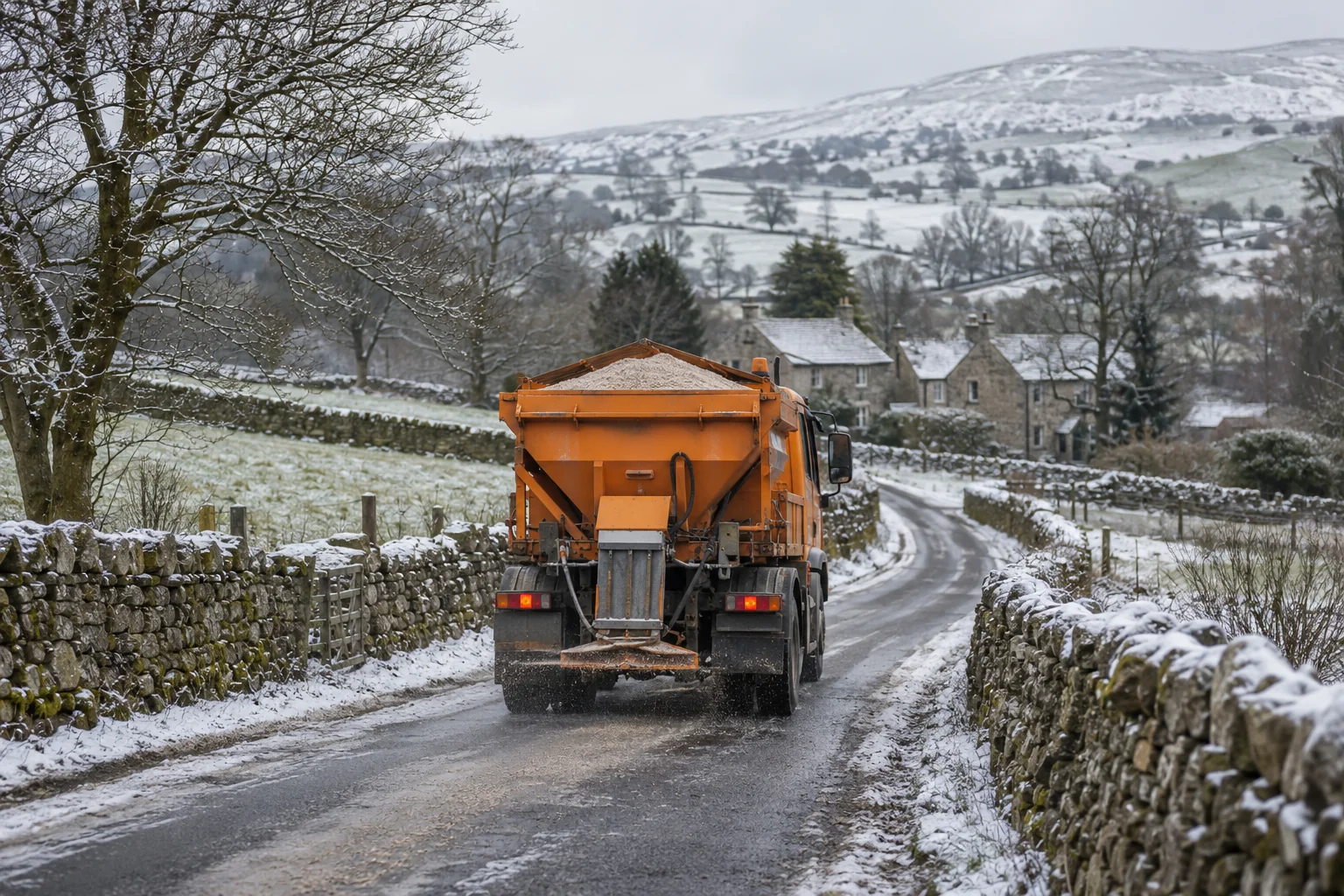
Cold snap and snowed in kit
35 items
- Still bottled water, 6 x 2 L
- Food-safe water container with screw cap, 5 L
- Nalgene wide-mouth water bottle, 1 L
- and 32 more items
Amazon links coming soon
Car emergency
Car emergency kit
19 items
- Energizer Vision HD+ head torch
- Amazon Basics AA batteries, pack of 12
- Amazon Basics AAA batteries, pack of 12
- and 16 more items
Amazon links coming soon
Food & Cooking essentials
Or choose single items
Add only what you are missing. Prices and availability are set by Amazon and shown there before you buy.
Food & Cooking
BIC Maxi lighters, pack of 4
Lights the stove or a candle reliably.
Amazon link coming soon
Food & Cooking
Butane gas canisters, pack of 8
Fuel for the camping stove.
Amazon link coming soon
Food & Cooking
ETI fridge and freezer alarm thermometer
Shows whether food in the fridge or freezer stayed cold during a power cut.
Amazon link coming soon
Food & Cooking
Expedition Foods freeze-dried meal, 800 kcal
A light, high-energy meal that just needs hot water.
Amazon link coming soon
Food & Cooking
Heinz baked beans, 6 x 415 g
A cupboard staple that can be eaten cold if needed.
Amazon link coming soon
Food & Cooking
Lock & Lock airtight food container, 2.3 L
Keeps opened dry food fresh and pest-free.
Amazon link coming soon
Food & Cooking
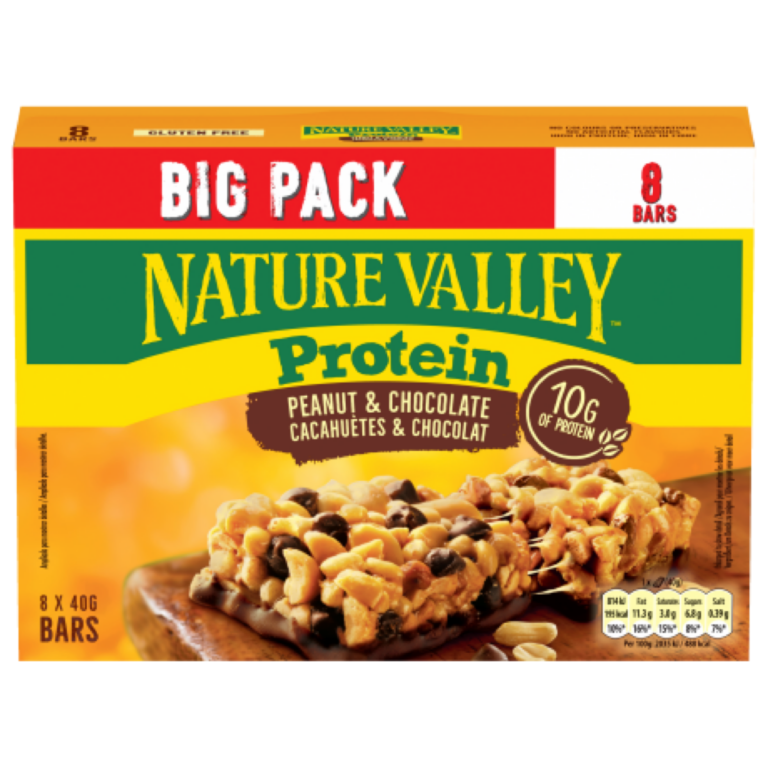
Nature Valley Protein bars, 26 x 40 g
Long-life snacks that need no cooking.
Amazon link coming soon
Food & Cooking
OXO Good Grips measuring jug, 1 L
For measuring water for dried meals and drinks.
Amazon link coming soon
Food & Cooking
Paper plates, pack of 100
Saves washing up when water is short.
Amazon link coming soon
Food & Cooking
ReadyWise freeze-dried meals, 60 servings
A long-term food store with a shelf life of up to 25 years.
Amazon link coming soon
Food & Cooking
ReadyWise freeze-dried vegetables, 120 servings
Long-life vegetables to go with a stored food supply.
Amazon link coming soon
Food & Cooking
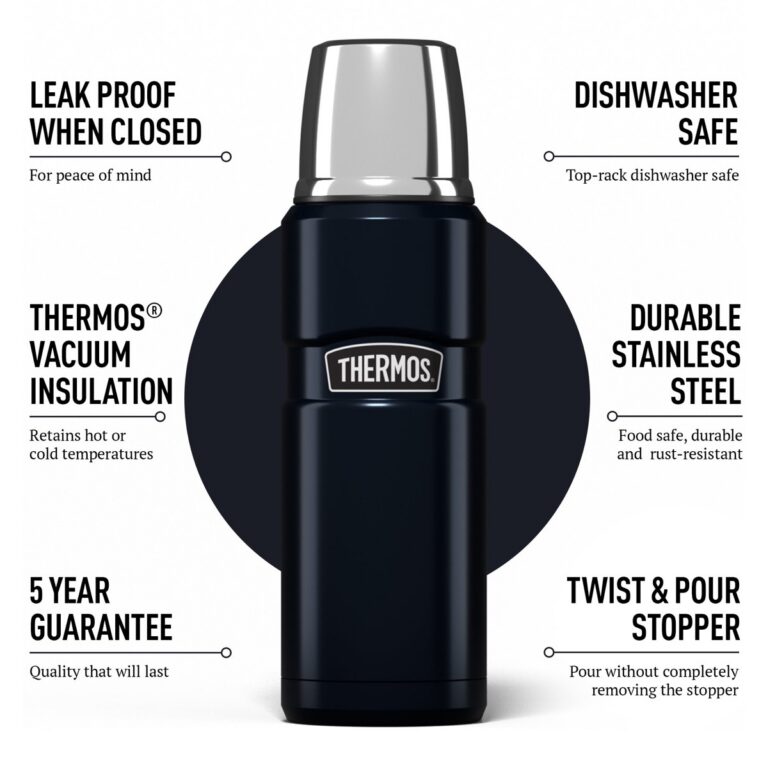
Thermos Stainless King food flask, 470 ml
Keeps food hot for hours, so one heating goes further.
Amazon link coming soon
Food & Cooking
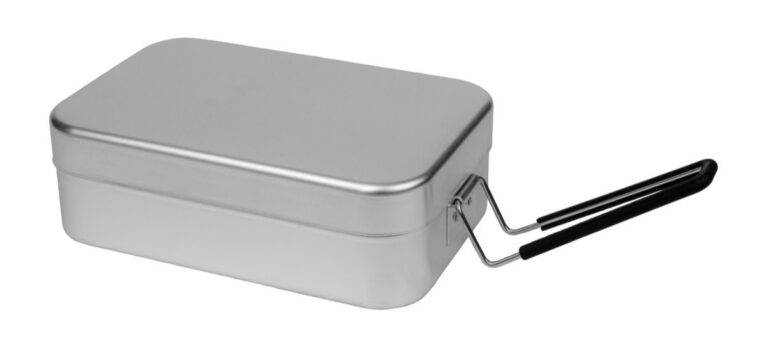
Trangia large aluminium mess tin
A light pan for heating food on the stove.
Amazon link coming soon
Food & Cooking
Tuna chunks in sunflower oil, 4 x 145 g
Ready-to-eat protein in ring-pull tins.
Amazon link coming soon
Food & Cooking
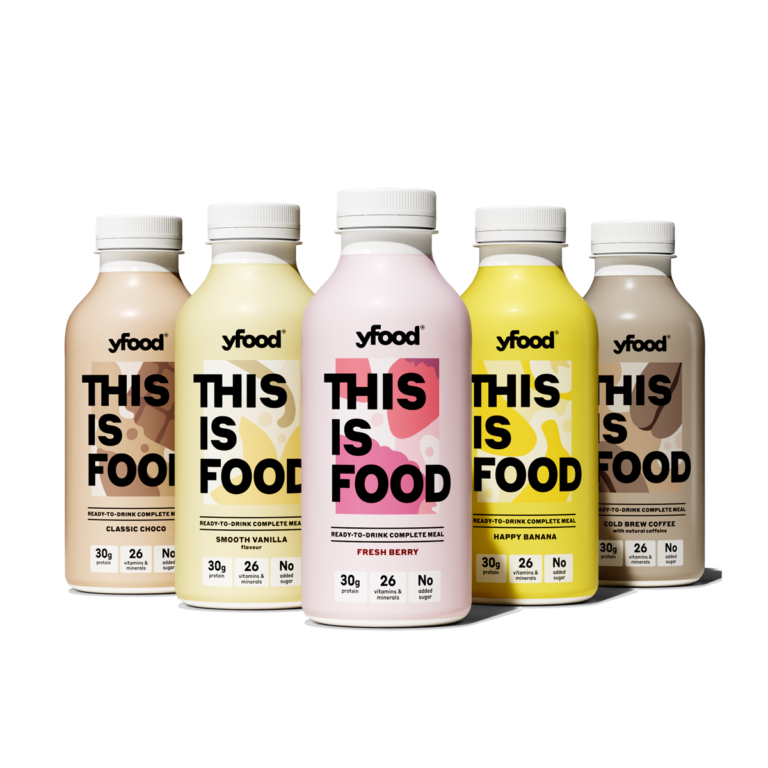
yfood meal replacement drinks, taster pack of 5
Ready-to-drink meals with no preparation.
Amazon link coming soon
Food & Cooking
Emergency food ration bars, 3,600 kcal
Compact, long-life bars that need no cooking or water. A planning stand-by, not everyday food.
Amazon link coming soon
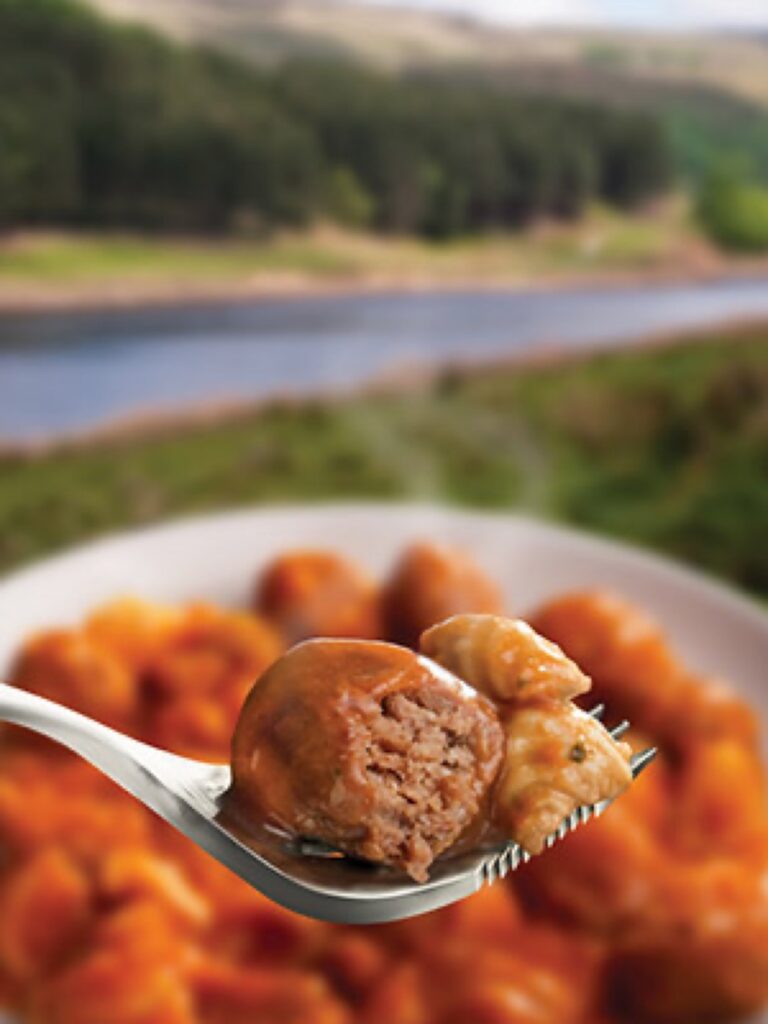
Food & Cooking
Wayfayrer ready-to-eat meal pouch, 300 g
A proper meal that can be eaten hot or cold, with no cooking needed.
Amazon link coming soon
Food & Cooking
Campingaz Camp Bistro 3 stove
Hot food and drinks without mains power. Use outdoors or with good ventilation.
Amazon link coming soon
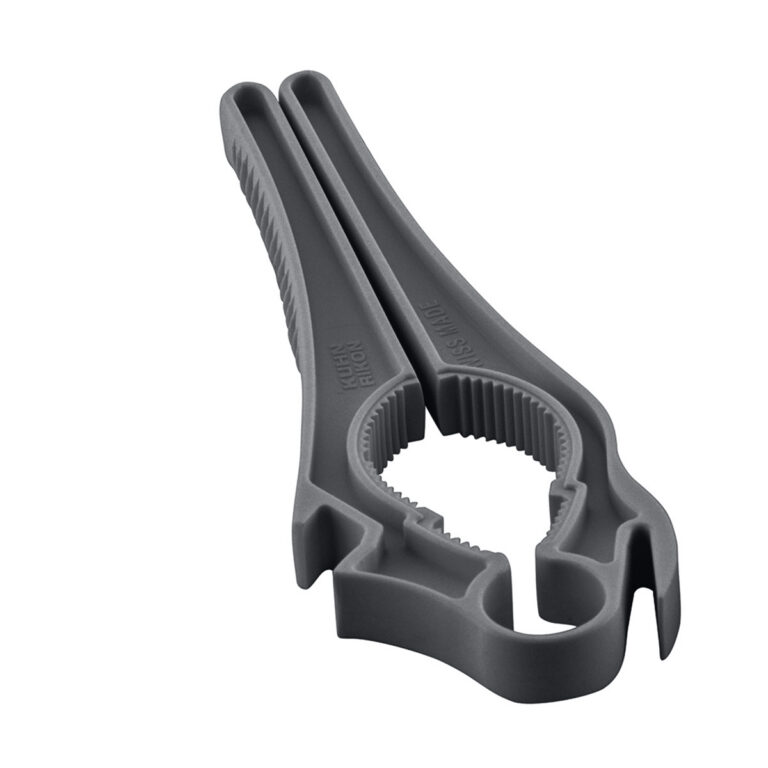
Food & Cooking
Kuhn Rikon 5-in-1 can and jar opener
Opens tins and jars without power.
Amazon link coming soon
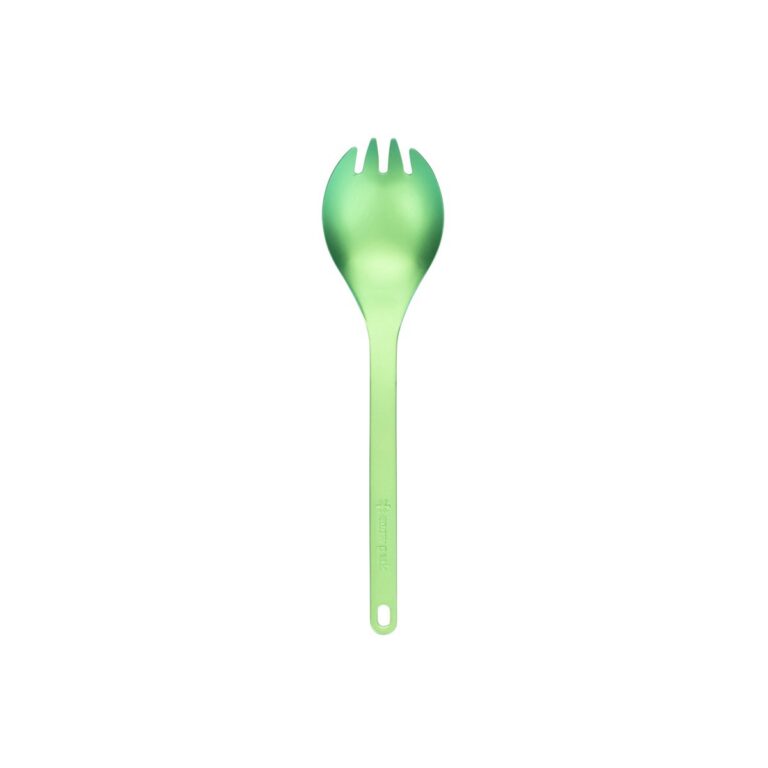
Food & Cooking
Snow Peak titanium spork
Light, tough cutlery, one for each person.
Amazon link coming soon
Guides & knowledge
Practical advice for everyday readiness
-
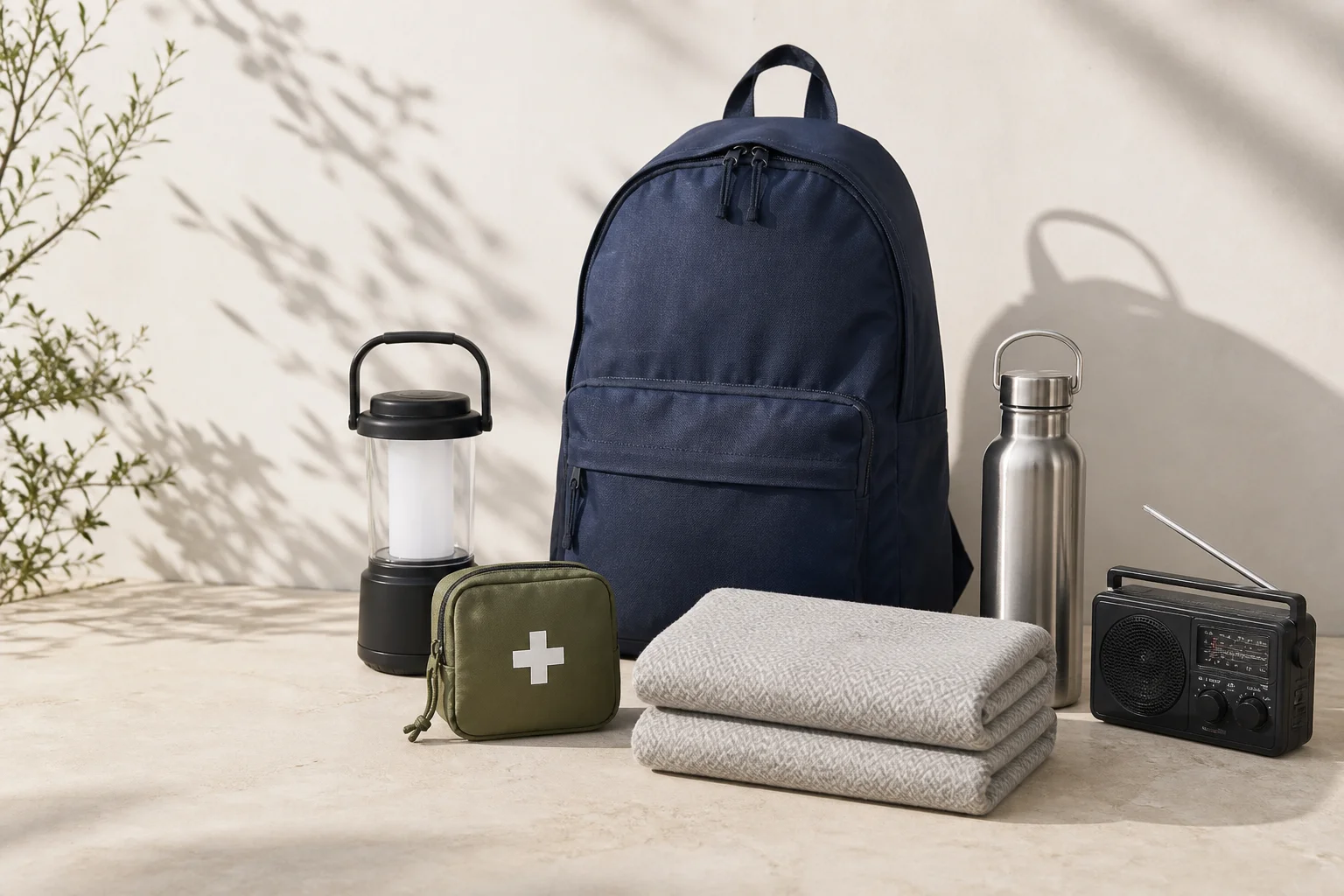
Start with what you already have
Readiness does not need a perfect kit or a weekend-long project. Begin with one everyday need and build from there.
-

How to Build a 72-Hour Household Emergency Plan
You may know where the torch is. Does everyone else? And if the power goes out while you are away, would someone at home know who to call, where the supplies are and what to…
-
How to Stay Warm at Home When the Heating Stops
You notice it first in your feet. Then someone puts a jumper on, checks the thermostat and asks whether the radiators are working. A heating failure on a mild afternoon is inconvenient. During a winter…
-
What Food Should You Keep for a 3-day Emergency?
The kitchen cupboard can look reassuringly full until you realise how much of it needs boiling water, an oven or a working microwave. A bag of pasta will provide plenty of meals. Getting it onto…
Keep meals on the table.
Even when routines stop.
Prepare to feed your household when shopping, refrigeration or cooking is disrupted. Start with these five essentials.
Your ticks last for this visit. Use the full guidance to build your plan.
Read the UK Prepare guideFood & Cooking Frequently Asked Questions
Where should I start with emergency food?
Start with three days of ordinary food your household already eats. For an adult planning reference, the NHS uses around 2,000 kcal per day for an average woman and 2,500 kcal for an average man. That means roughly 6,000–7,500 kcal per adult across 72 hours, although individual needs vary.
Do not try to hit that target with biscuits alone. Build three breakfasts, three lunches, three dinners and a few snacks using shelf-stable carbohydrates, protein, fats, fruit/vegetables and familiar comfort foods. Make sure at least the first 24 hours can be eaten with no cooking at all.
Then extend from three days to a week if you have the space and budget. The best emergency pantry is simply a deeper version of your normal pantry that still works when the fridge, cooker or shops do not.
How many days of food should I keep?
Use 72 hours as the first Prepared Base target, then build toward seven days. Three days gives you meaningful breathing room through a short power cut, severe weather event, local supply interruption or period when shops and deliveries are disrupted. A week gives you much more resilience without turning your home into a warehouse.
For one adult, use roughly 6,000–7,500 kcal across three days as a planning reference, based on the NHS average daily figures of about 2,000 kcal for women and 2,500 for men. Adjust for age, body size, activity, pregnancy, health conditions and children.
The important part is not just calories. Store food you can actually prepare with your available water and fuel, and include at least one full day of meals that can be eaten cold.
What foods are best for an emergency pantry?
Choose food that is familiar, shelf-stable and efficient in water and fuel. A good three-day adult plan might include three breakfast portions, three lunch portions, three evening meals, six snacks and drinks, totalling roughly 6,000–7,500 kcal depending on the person.
Useful categories include oats or cereal, crackers or wraps, tinned fish/meat, beans, ready-to-eat pulses, soups, nut butter, long-life milk, dried fruit, nuts, tinned fruit/vegetables, shelf-stable ready meals and a few high-energy snacks.
Include food that can be eaten directly from the pack or tin. Dried beans and large bags of rice look economical, but both need water and cooking fuel. Your emergency pantry should work when resources are constrained, not create a second emergency in the kitchen.
Should I buy specialist emergency food or normal supermarket food?
Normal supermarket food should be your default. It is cheaper, familiar, easy to replace and can be rotated through normal meals. Specialist long-life or freeze-dried food is useful where you need very long shelf life, compact storage or lightweight meals, but it does not need to make up the whole pantry.
A sensible approach is to build the first three to seven days almost entirely from ordinary shelf-stable food, then use specialist products to fill gaps such as compact meals, grab-bag food or deeper long-term reserve.
If you would not willingly eat a product on a normal Tuesday evening, do not buy a cupboard full of it simply because the label says “25-year shelf life”. Familiar food reduces waste, improves morale and is much easier to rotate.
What can I cook if the power is off?
Keep enough food for at least the first 24 hours that needs no cooking. If you then need to cook, use only equipment that is designed for the location in which you are using it.
Outdoor barbecues, camping stoves and similar fuel-burning cooking equipment must not be used indoors, in a garage, tent, conservatory or other enclosed space. They can cause fire and deadly carbon-monoxide poisoning.
For outdoor cooking, keep the appliance stable, away from combustible materials and follow its fuel and ventilation instructions. Indoors, your options during a power cut depend on the appliances and utilities that remain safely available. A resilient pantry deliberately includes ready-to-eat meals so you are never forced into unsafe cooking simply because everyone is hungry.
How can I reduce the amount of fuel needed for cooking?
Choose foods that cook quickly and use absorption rather than large volumes of boiling water. Keep lids on pans, prepare only what you need and use residual heat where appropriate.
Good low-fuel options include couscous, instant oats, noodles, pre-cooked grains, tinned meals, soups and foods that only need warming. Dried beans and some whole grains can consume a lot of both fuel and water; they are excellent pantry foods only if your plan includes the resources to cook them.
A wide-mouth insulated food flask can also help: bring suitable food to temperature, transfer it to the flask and allow retained heat to continue the cooking process. The principle is simple — in an outage, optimise meals for calories per minute of cooking, not culinary ambition.
What should I do with food in the fridge or freezer during a power cut?
Keep fridge and freezer doors closed. The Food Standards Agency says a power cut of less than four hours is unlikely to affect the safety of chilled or frozen food. As a guide, a fridge should stay cold for up to about four hours; a full freezer can keep food frozen for up to about 48 hours, or around 24 hours if it is half full — provided the doors stay closed.
Those are estimates, not guarantees. Room temperature, appliance efficiency and how often the door is opened all matter. A fridge/freezer thermometer removes a lot of guesswork.
If food has become too warm for too long, do not rely on smell or appearance to decide whether it is safe. Follow current Food Standards Agency advice and, when safety is uncertain, discard the food rather than risk food poisoning.
How should I rotate emergency food?
Use “first in, first out”: newest items go to the back, oldest items come to the front and are eaten in normal meals. Do a pantry check every three months rather than waiting for a yearly clear-out.
At each check, look for damaged packaging, rusted or bulging tins, pests and items approaching their date. Move anything you need to use soon into your normal kitchen plan and replace it the next time you shop.
Write the month and year on the front of products if the printed date is difficult to find. Keep a simple minimum stock level for staples — for example, never allow your household to drop below three days of ready-to-eat food. Rotation turns preparedness from a pile of “emergency food” into a living system that is constantly refreshed.