No garage, no garden and limited storage? Here’s how to build a practical emergency plan that works for apartment living.
When you think about emergency preparedness, it’s easy to picture a house with a garage full of supplies, a garden for cooking outdoors and perhaps even a generator tucked away in a shed.
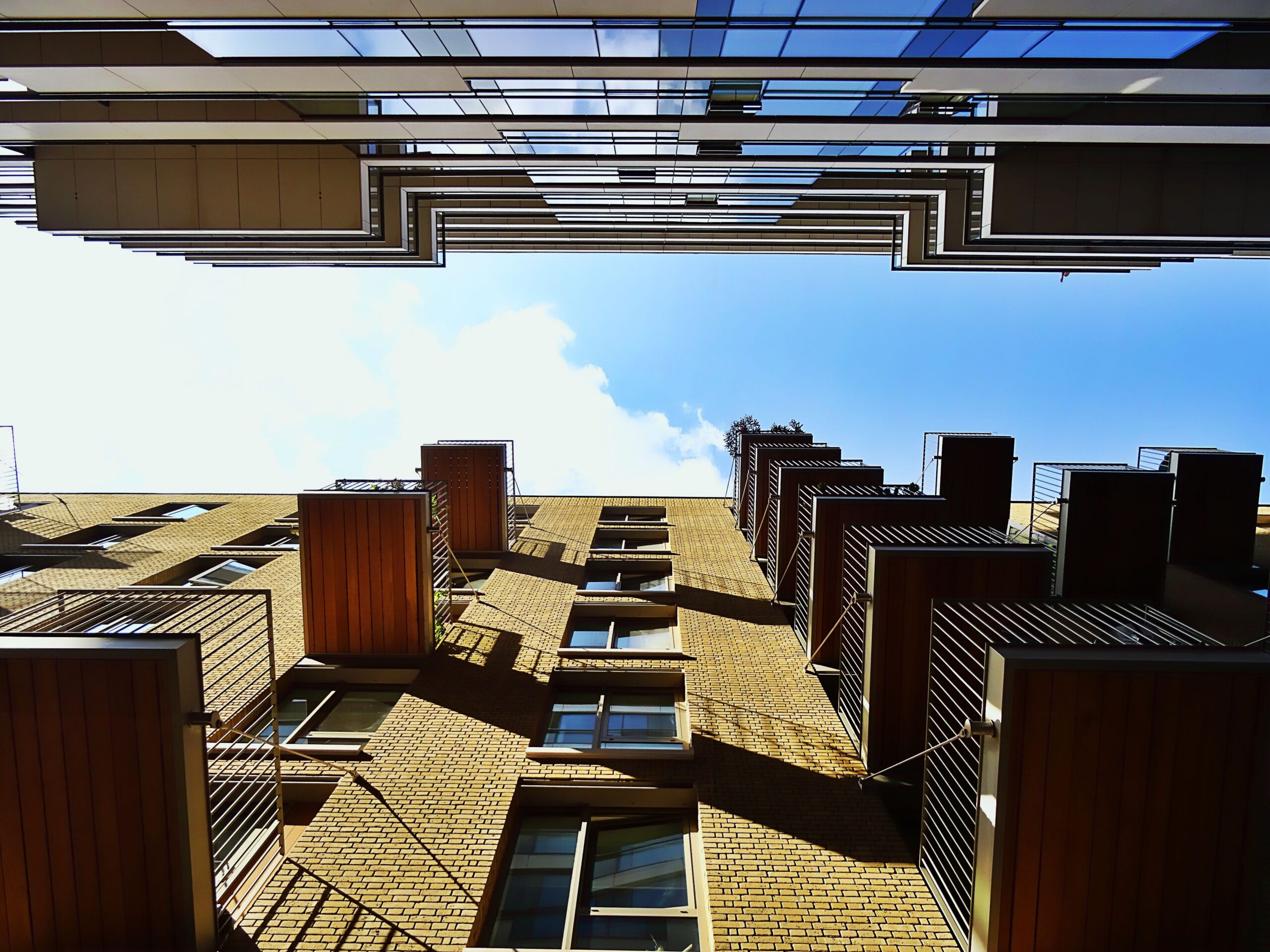
But what if you live in a one-bedroom flat? Or on the eighth floor of an apartment building, with limited cupboard space and no outdoor area?
The challenges are quite different.
You might have nowhere suitable to operate emergency cooking equipment, limited space to store drinking water and a lift that stops working during a power cut.
That doesn’t mean you can’t prepare effectively. It simply means your approach needs to be more practical, compact and suited to your living arrangements.
The UK government’s Be Ready campaign recommends households keep at least three days’ worth of essential supplies. That’s a sensible starting point, and one that most flat-dwelling households can work towards without turning their homes into storage facilities.
Here’s how.
1. Understand the challenges specific to your building
Before buying any equipment, consider what might happen if your building lost electricity or water.
In a detached house, a power cut might mean losing your lights, heating and internet. In an apartment building, it could also affect communal lighting, lifts, electronic entry systems and water pumps.
Imagine living on the seventh floor and discovering the lift has stopped working. Would you be comfortable carrying several heavy bottles of water upstairs?
Or if your building’s water supply failed, would you have enough drinking water to manage for several days?
These are questions worth answering before an emergency happens.
Your first steps:
- Find out whether your building relies on electric pumps for its water supply.
- Check whether communal access systems have backup power.
- Familiarise yourself with the building’s fire evacuation arrangements.
- Identify the emergency stairways and keep shared escape routes clear.
- Keep your building management company’s emergency contact details somewhere accessible.
Importantly, fire procedures differ between buildings. Some operate a stay-put policy, while others require evacuation. Make sure you know the arrangements for your particular building and follow emergency-services instructions.
2. Water should be your first priority
Water is one of the most important resources to consider, and potentially one of the most awkward to store in a flat.
The UK government’s guidance recommends allowing approximately 3 litres of drinking water per person, per day.
For a basic 72-hour supply, that means:
- One person: 9 litres
- Two people: 18 litres
- Three people: 27 litres
- Four people: 36 litres
And remember, that’s primarily for drinking. Cooking, washing and basic hygiene can require additional water.
Thirty-six litres might sound like a lot, but it doesn’t necessarily need to occupy an entire cupboard.
Instead of buying large containers, consider smaller bottles that can be distributed around your home. A few bottles beneath a bed, some at the bottom of a suitable kitchen cupboard and others in a dedicated storage box can make the task more manageable.
Remember that every litre weighs approximately one kilogram, so use stable storage locations and avoid overloading shelves.
Store water according to the manufacturer’s instructions and check replacement dates regularly.
Prepared Base tip: Don’t feel you need to purchase your entire water supply in one shopping trip. Adding a couple of bottles to your regular supermarket shop is a straightforward way to build your reserves.
3. Choose food that doesn’t depend on cooking
One of the biggest differences between preparing in a house and preparing in a flat is the availability of alternative cooking arrangements.
Someone with a garden may have a suitable outdoor space for emergency cooking equipment. Many people living in flats don’t have that option.
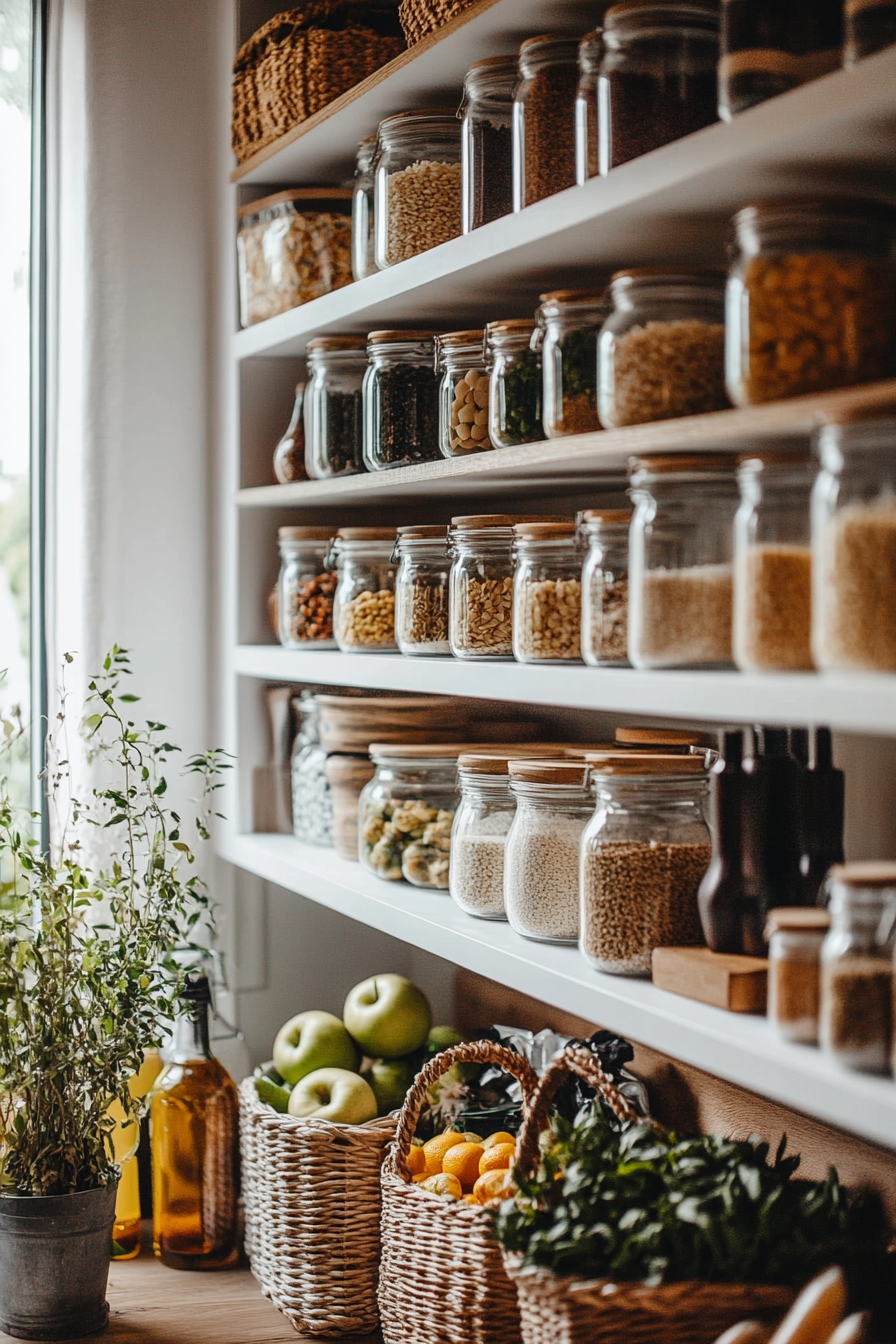
For this reason, your initial food supplies should prioritise products that can be eaten without electricity, gas or additional preparation.
Useful examples include:
- Tinned tuna, salmon and ready-to-eat meats
- Tinned beans, lentils and vegetables
- Crackers, oatcakes and crispbreads
- Peanut butter and other nut butters
- Dried fruit, nuts and cereal bars
- Tinned fruit
- Long-life milk
- Ready-to-eat meals that don’t require refrigeration
Consider the nutritional value of your supplies. Protein, carbohydrates and fats all have a role to play, particularly if you’re relying on stored food for several days.
And don’t overlook something as simple as a manual tin opener.
You should also consider any dietary requirements, allergies and the needs of children or pets.
A word of caution about emergency cooking
Outdoor camping stoves and barbecues should never be used inside a flat. They create serious fire and carbon monoxide risks, and balconies aren’t automatically safe places to operate them.
If your home has a properly installed gas hob, check the manufacturer’s instructions for operation during a power cut.
For households without a safe cooking alternative, ready-to-eat food removes the problem entirely.
4. Think about lighting before investing in expensive backup power
When the electricity goes off at night, the first challenge is often surprisingly simple: being able to see.
Walking through an unfamiliar dark room, finding supplies or navigating stairs becomes considerably harder without lighting.
Fortunately, this is one of the easiest and least expensive problems to prepare for.
A practical lighting kit might include:
- A rechargeable or battery-powered LED torch
- A head torch that keeps both hands free
- A compact LED lantern for illuminating a room
- Spare batteries or an appropriately charged power bank
Small rechargeable lights can be particularly useful in flats because they occupy little space.
Think about positioning, too. Keeping every torch inside one emergency box isn’t especially helpful if you’re trying to find that box in complete darkness.
Consider keeping a small torch near your bed and another in an accessible location by your main living area.
Battery-powered lighting is also a safer option than candles, which introduce an unnecessary fire risk.
5. Keep your phone working, but plan for communication failures
Your smartphone is likely to be one of your most valuable tools during an emergency.
It can provide updates, help you contact family members and allow you to access important information.
But its usefulness depends on having sufficient battery power and a functioning communications network.
A compact power bank is a sensible starting point. Higher-capacity models can offer multiple charges, although the number will depend on the phone and power bank.
You could also consider a small battery-powered or wind-up radio for receiving information if mobile networks or broadband services become unavailable.
However, there is another simple precaution that costs nothing.
Write down important telephone numbers.
Most of us no longer memorise the phone numbers of friends and family. If your phone runs out of power or stops functioning, those contacts may suddenly become difficult to retrieve.
Keep a short paper list of essential numbers alongside your emergency supplies.
6. Plan for keeping warm without central heating
A power cut during summer is one thing. Losing electricity and heating during a cold winter evening presents a different challenge.
For flat dwellers, using alternative heating equipment may not be practical or safe.
Instead, focus initially on retaining body warmth.
Some of the most useful items may already be in your home:
- Thermal base layers
- Warm socks and comfortable insulated clothing
- Thick blankets and duvets
- Sleeping bags
- Warm hats and gloves
If your heating fails, closing curtains and reducing draughts where safe can help retain warmth.
Rather than attempting to heat an entire property, it may be more practical for household members to spend time together in one suitable room.
Never attempt to heat your flat using a camping stove, barbecue or improvised flame-based equipment.
A few extra blankets might not seem particularly exciting, but they could prove considerably more useful than an expensive piece of equipment that isn’t suitable for your home.
7. Don’t overlook hygiene and sanitation
Food, water and electricity tend to dominate emergency preparedness discussions.
However, losing access to running water can quickly create problems with everyday hygiene.
It could affect handwashing, cleaning, toilet use and personal care.
In some apartment buildings, water pumps and drainage systems may also be affected by an electricity failure.
A small hygiene supply can make a significant difference.
Consider keeping:
- Antibacterial hand sanitiser
- Wet wipes
- Toilet paper
- Heavy-duty rubbish bags
- Period products and other personal hygiene essentials
- Nappies and baby-care products where needed
It’s also worth understanding whether your toilet can operate without mains water and what your water supplier or building manager advises during an interruption. Don’t assume that repeated flushing will be possible.
These supplies are generally inexpensive, compact and easy to incorporate into everyday household shopping.
8. Keep essential medication and first aid supplies accessible
An emergency doesn’t need to involve a serious injury to become difficult.
Something as ordinary as a headache, a minor cut or an upset stomach can be harder to manage if shops are closed or you’re unable to leave your building.
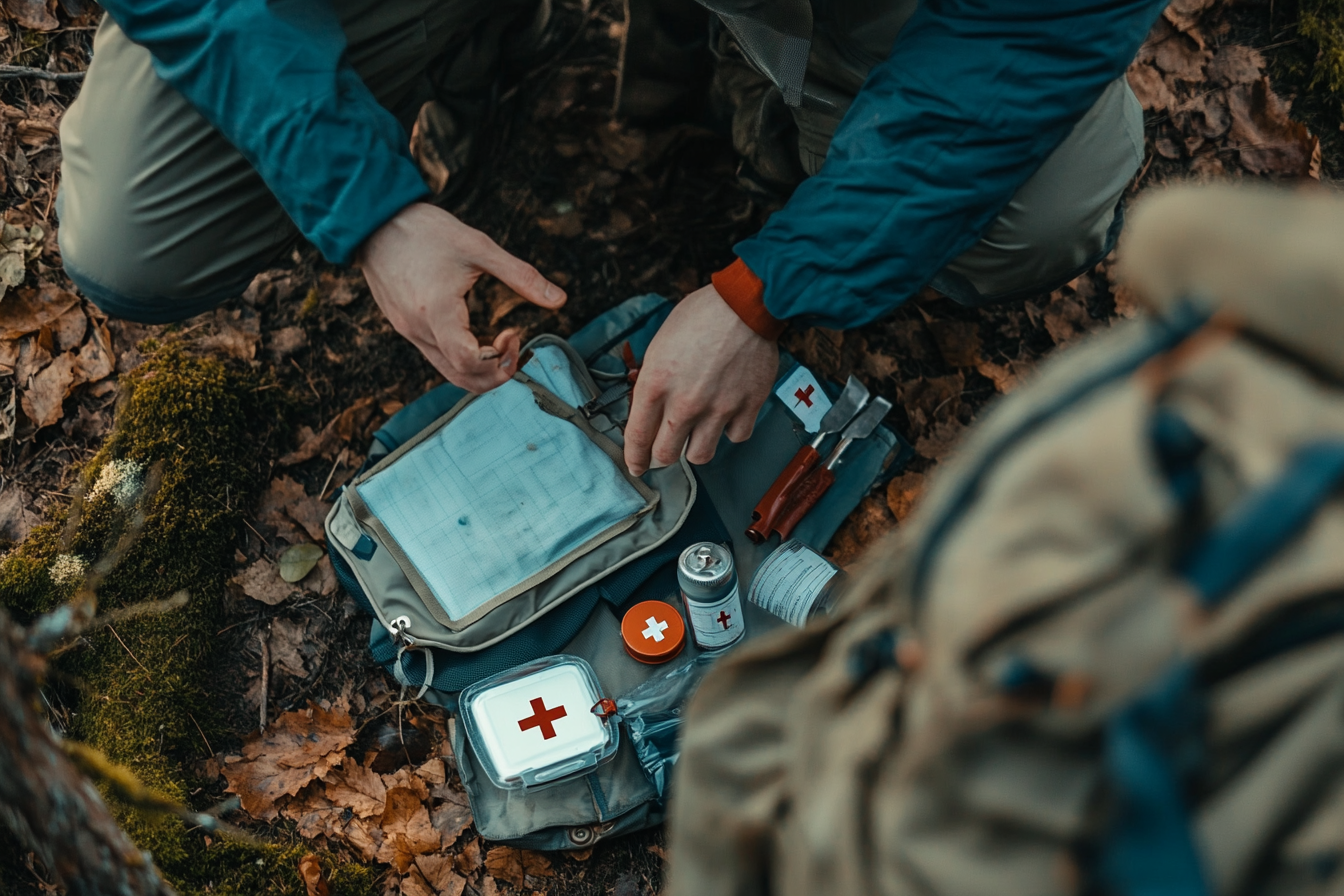
Keep a properly stocked first aid kit and check its contents periodically.
If anyone in your household relies on prescribed medication, consider how they would manage during a prolonged disruption. Discuss suitable contingency arrangements with their pharmacist or healthcare professional.
Other useful considerations include:
- Spare prescription glasses
- Copies of important medical information
- Basic first aid supplies
- Any essential medical or mobility equipment
- Backup arrangements for equipment that relies on electricity
Remember that emergency supplies should reflect the people who actually live in your home.
A household with a baby will have different requirements from someone living alone, just as someone relying on electrical medical equipment will need a different backup plan.
9. Make your storage work harder
You don’t necessarily need additional furniture or a dedicated storage room to begin preparing.
The trick is making sensible use of space you already have.
Potential storage locations include:
- Beneath beds
- Storage ottomans
- Suitable lower kitchen cupboards
- Existing utility cupboards
- Underused shelving
- Compact, stackable storage boxes
One particularly useful approach is to separate your supplies into two groups.
Everyday emergency supplies: Food, water, hygiene products and other items that can be stored safely and accessed when needed.
Immediately accessible essentials: Torches, medication, a power bank, a radio and important information that you may need quickly.
Avoid storing supplies in communal corridors, stairwells or anywhere they could obstruct an escape route.
It’s also worth checking your supplies every six months, rotating food and water where necessary and making sure rechargeable devices remain ready to use.
10. Have a plan if you need to leave
Preparing to remain safely at home is important, but there may be situations where leaving becomes necessary.
In an apartment building, this could involve navigating multiple flights of stairs, potentially without lighting or lift access.
A small, lightweight grab bag can help.
Include essential medication, a torch, a charging cable and power bank, important documents or copies, essential contact information and a little drinking water.
Keep suitable footwear and weather-appropriate clothing accessible too.
The emphasis should be on portability. A bag containing so much equipment that you struggle to carry it downstairs isn’t particularly practical.
If you have children, pets or mobility requirements, think through how you would manage an evacuation and what additional assistance might be needed.
Always follow your building’s specific fire safety arrangements and instructions from emergency services.
Getting started: Your first 72 hours of preparedness
Building a useful emergency supply doesn’t need to happen overnight.
If you’re starting from scratch, concentrate on the essentials first.
Your initial flat preparedness checklist:
- Three days of drinking water: 9 litres per person
- Three days of suitable shelf-stable food, including no-cook options
- A manual tin opener
- A reliable torch and spare batteries or charging arrangements
- A charged power bank
- A battery-powered or wind-up radio
- Warm clothing and extra blankets
- A basic first aid kit and essential medication
- Hygiene and sanitation supplies
- Written emergency contact details
- An understanding of your building’s evacuation procedures
- A small grab bag containing your most important essentials
You may be surprised by how many of these items you already own.
The next step is simply identifying what you’re missing and gradually filling those gaps.
Preparedness isn’t about how much space you have
It’s easy to assume that people with larger properties and outdoor space have an advantage when it comes to emergency preparedness.
In some respects, they do. They may have more room for supplies and greater flexibility when it comes to alternative cooking or power equipment.
But preparedness isn’t measured by the size of your stockpile.
It’s about understanding your circumstances, identifying potential problems and taking sensible steps to reduce their impact.
Whether you live in a studio apartment, a high-rise flat or a three-bedroom house, the fundamental objective remains the same: being able to look after yourself and your household when everyday services become temporarily unavailable.
And even with limited space, three days of essential supplies is an achievable goal.
Start with what you have. Identify what’s missing. Build your supplies gradually.
That’s what everyday preparedness is all about.
Take the next step with Prepared Base
Not sure how prepared your household currently is?
The Prepared Index can help you assess your existing level of preparedness, identify potential gaps and understand where to focus your efforts next.
Everyday preparedness, made simple.